News
7 Common Cover Glass Edge Types: A Complete Guide to Glass Edge Finishing for Industrial Touch Screens
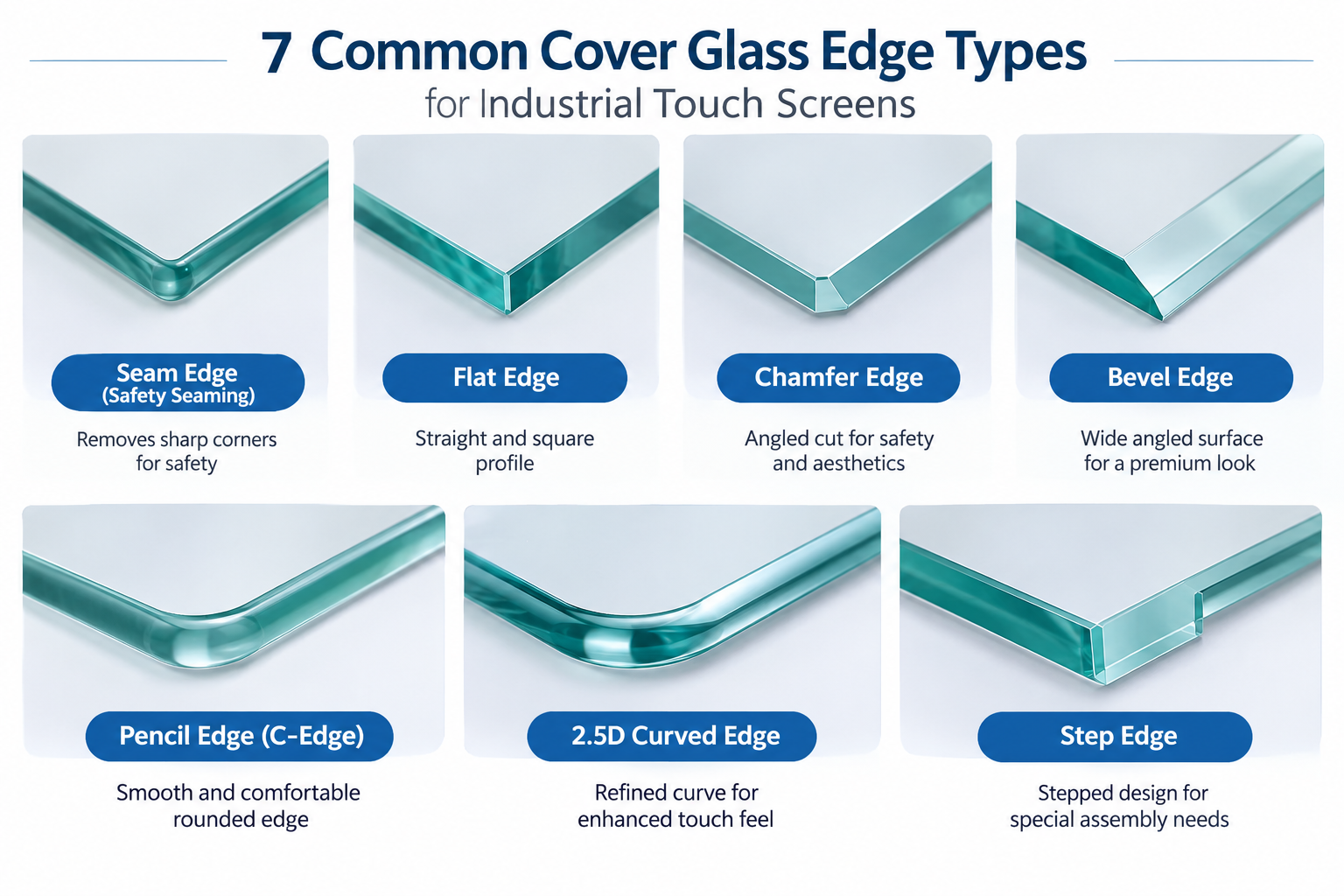
Understanding Glass Edge Design, Manufacturing Processes, and Applications
In industrial touch display design, cover glass is more than a protective surface. Its edge geometry directly influences mechanical strength, installation compatibility, user safety, appearance, and long-term reliability.
For industrial HMI systems, medical equipment, automotive displays, smart home appliances, and outdoor terminals, selecting the right glass edge finish is an important part of the overall product design.
Different edge treatments provide different advantages. Some focus on removing sharp corners and improving safety, while others emphasize premium appearance, comfortable touch interaction, or precise mechanical assembly.
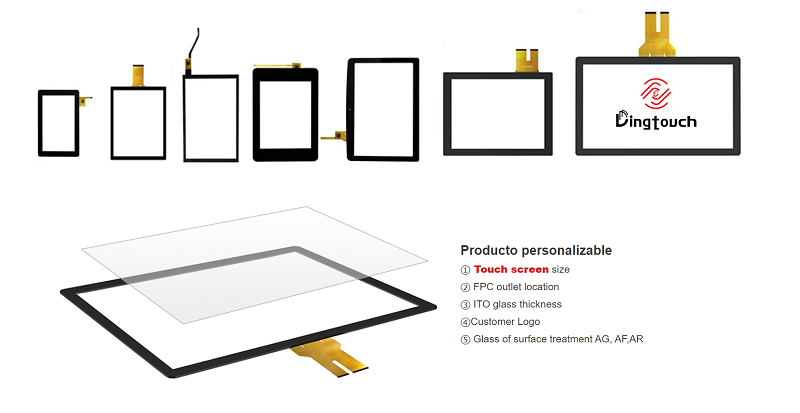
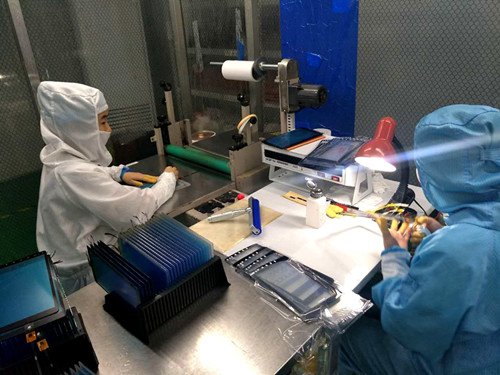
At DINGTouch, we provide customized cover glass and projected capacitive touch screen solutions for industrial and commercial applications. From glass cutting and CNC machining to surface treatment, strengthening, PCAP integration, and full optical bonding, we evaluate cover glass specifications according to the actual requirements of each project.
This guide introduces seven common cover glass edge types, explains their manufacturing characteristics, and helps OEM engineers select the appropriate edge design.
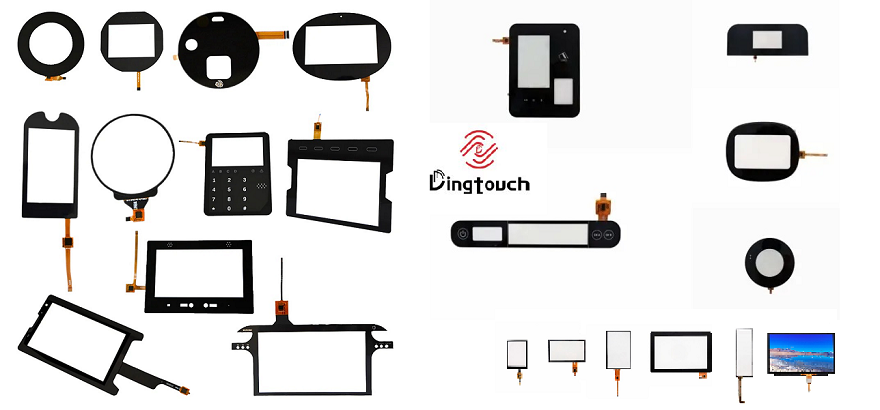
1. Seam Edge (Safety Seaming)
What Is a Seam Edge?
A seam edge, also known as safety seaming, is a basic glass edge-finishing process designed to remove sharp edges and small burrs left after glass cutting.
The glass edge is lightly processed using abrasive belts, grinding wheels, or similar tools. The purpose is to blunt sharp arrises without significantly changing the original edge profile.
Key Characteristics
-
Removes sharp corners and cutting burrs.
-
Improves handling and installation safety.
-
Reduces localized stress concentration at sharp arrises.
-
Helps reduce the risk of minor edge chipping during handling.
-
Requires relatively little material removal.
-
Maintains the basic dimensions and profile of the cut glass.
Typical Applications
-
Standard industrial display cover glass.
-
Internal protective glass panels.
-
Hidden glass edges inside equipment enclosures.
-
Cost-sensitive electronic products.
-
Glass components with limited decorative requirements.
DINGTouch Engineering Note:
Safety seaming is a practical option for glass panels where the edge is not a major visual feature. However, it should not be considered equivalent to precision edge polishing. For exposed industrial touch panels, more refined edge finishing may be necessary.
2. Flat Edge
What Is a Flat Edge?
A flat edge is produced by grinding the cut glass edge into a straight, flat surface that is approximately perpendicular to the two main glass faces.
Depending on the required appearance and application, the edge can be left ground or further polished to achieve a smooth, transparent finish.
Key Characteristics
-
Straight and square edge profile.
-
Consistent dimensions and geometric appearance.
-
Suitable for precision assembly.
-
Can be supplied with ground or polished finishing.
-
Provides a clean, modern appearance.
Typical Applications
-
industrial touch screen panels.
-
Control panels and HMI equipment.
-
Electronic device protective glass.
-
Display windows and instrument panels.
-
Glass panels installed inside metal or plastic frames.
DINGTouch Engineering Note:
Flat edges are suitable for many standard industrial touch display designs. When used in an exposed installation, engineers should also consider edge polishing, glass thickness, corner radius, and enclosure clearance.
3. Chamfer Edge
What Is a Chamfer Edge?
A chamfer edge is created by grinding an angled surface along the glass perimeter, removing the sharp transition between the main glass surface and the side edge.
Unlike a flat edge, which maintains a square profile, a chamfer creates a visible sloped surface.
The chamfer angle and width can be customized according to the mechanical drawing and visual design requirements.
Key Characteristics
-
Removes sharp corners.
-
Creates an angled transition along the glass perimeter.
-
Improves edge appearance.
-
Can reduce direct impact concentration at exposed sharp corners.
-
Supports customized industrial and decorative designs.
Typical Applications
-
Industrial control panel glass.
-
Electronic equipment front panels.
-
Decorative glass covers.
-
Instrument display windows.
-
Custom glass panels with exposed edges.
DINGTouch Engineering Note:
Chamfer dimensions should be clearly specified in engineering drawings. The chamfer width, angle, glass thickness, and remaining edge geometry all influence the final mechanical structure.
4. Bevel Edge
What Is a Bevel Edge?
A bevel edge is formed by grinding and polishing a wider sloped surface along the perimeter of the glass.
Although bevel and chamfer edges both have angled profiles, a bevel is generally associated with a wider, more decorative polished surface.
The polished bevel can reflect ambient light and create a distinctive visual effect.
Key Characteristics
-
Wide angled edge surface.
-
Decorative light-reflecting appearance.
-
Smooth polished finish.
-
Available in different widths and angles.
-
Requires additional grinding and polishing operations.
Typical Applications
-
Decorative mirrors.
-
Furniture glass.
-
Lighting glass.
-
Premium electronic equipment.
-
Architectural and decorative glass panels.
DINGTouch Engineering Note:
Bevel edges are generally selected for appearance-driven applications rather than standard industrial touch displays. For electronic assemblies, the additional edge geometry must be evaluated against enclosure dimensions and installation requirements.
5. Pencil Edge (C-Edge)
What Is a Pencil Edge?
A pencil edge, also called a C-edge, is created by grinding and polishing the glass perimeter into a rounded, arc-shaped profile.
The rounded edge eliminates sharp transitions and provides a smoother tactile experience when users touch or handle the glass.
It is one of the most common rounded edge treatments for glass panels.
Two Common Pencil Edge Finishes
A. Pencil Polished Edge
A pencil polished edge features a rounded profile with a smooth, glossy, transparent finish.
Advantages:
-
Premium visual appearance.
-
Smooth and comfortable tactile feel.
-
Clean, polished glass perimeter.
-
Suitable for exposed edges where appearance matters.
Typical applications include industrial touch panels, furniture glass, smart devices, and decorative glass products.
B. Pencil Ground Edge
A pencil ground edge features a rounded profile with a matte or frosted appearance rather than a fully transparent polished surface.
Advantages:
-
Rounded and relatively smooth profile.
-
Lower processing cost in many applications.
-
Suitable for hidden or less visible edges.
-
Practical for applications with limited decorative requirements.
Typical Applications
-
industrial touch screen cover glass.
-
Medical equipment control panels.
-
Smart home control interfaces.
-
Electronic device protective glass.
-
Glass shelves and furniture panels.
DINGTouch Engineering Note:
For industrial touch display applications, pencil polished edges are a good option when the glass perimeter remains visible to the end user. The edge radius should be selected according to glass thickness, installation structure, and mechanical strength requirements.
6. 2.5D Curved Edge
What Is a 2.5D Curved Edge?
A 2.5D curved edge is a precision-machined glass edge design featuring a smooth curved transition between the main glass surface and its perimeter.
Unlike a conventional straight chamfer or simple rounded pencil edge, a 2.5D profile is designed to create a more refined transition and a premium appearance.
Precision CNC grinding and polishing are commonly used to achieve the required geometry and surface quality.
Key Characteristics
-
Smooth curved transition.
-
Refined appearance and improved tactile experience.
-
More sophisticated edge geometry.
-
Requires precision machining and polishing.
-
Supports premium industrial and consumer electronic designs.
Typical Applications
-
Smartphone and tablet cover glass.
-
Smart control panels.
-
Premium industrial HMI displays.
-
Automotive display interfaces.
-
High-end electronic equipment.
DINGTouch Engineering Note:
The term 2.5D describes an edge geometry, not a universal manufacturing specification. Different suppliers may use different profile definitions.
For OEM projects, we recommend confirming the actual cross-sectional drawing, curvature, glass thickness, edge dimensions, and polishing requirements rather than specifying only the term "2.5D."
7. Step Edge
What Is a Step Edge?
A step edge features a stepped or stair-like profile machined into the glass perimeter.
Unlike conventional flat, rounded, or angled edges, this design introduces one or more changes in height or thickness along the edge.
It is generally used when the glass must fit a specific mechanical structure or provide clearance for components underneath.
Precision CNC machining is commonly required to achieve the specified step depth, width, and position.
Key Characteristics
-
Stepped or recessed edge profile.
-
Supports customized mechanical assembly.
-
Can accommodate frame structures and component clearances.
-
Requires accurate dimensional control.
-
More complex machining than conventional edge finishing.
Typical Applications
-
Industrial display cover glass.
-
Custom HMI front panels.
-
Glass integrated into specialized enclosures.
-
Electronic equipment with recessed mounting structures.
-
Custom optical and mechanical assemblies.
DINGTouch Engineering Note:
Step-edge designs should be evaluated carefully because material removal can affect the local glass structure. The step depth, remaining glass thickness, corner geometry, and machining quality must be considered together.
For chemically strengthened glass, machining and edge finishing should generally be completed before the chemical strengthening process.
8. Pencil Edge vs. Chamfer Edge vs. Bevel Edge vs. 2.5D Curved Edge
These four edge treatments are sometimes confused because they can all improve the appearance and safety of a glass panel. However, their cross-sectional geometries and manufacturing requirements are different.
| Edge Type | Profile | Main Advantage | Typical Application |
|---|---|---|---|
| Pencil Edge | Rounded arc | Smooth tactile feel | Industrial touch panels |
| Chamfer Edge | Narrow angled surface | Simple corner treatment | Standard glass panels |
| Bevel Edge | Wide angled surface | Decorative appearance | Mirrors and lighting glass |
| 2.5D Curved Edge | Precision curved transition | Premium appearance and feel | Smart devices and HMI |
How Should OEM Engineers Choose?
-
Choose Pencil Edge when a smooth, rounded perimeter and comfortable touch experience are important.
-
Choose Chamfer Edge when a simple angled transition is required.
-
Choose Bevel Edge when a wider decorative surface is desired.
-
Choose 2.5D Curved Edge when a refined appearance and precision-machined profile are required.
The best choice depends on the product's mechanical structure, glass thickness, appearance requirements, and manufacturing budget.
9. More Than Edge Finishing: Customized Cover Glass Solutions by DINGTouch
Edge finishing is only one part of cover glass manufacturing. For industrial touch display projects, the glass material, thickness, surface treatment, strengthening process, printing, and bonding structure must also be considered.
DINGTouch provides customized cover glass and touch panel solutions for different industries and operating environments.
9.1 Protective Glass for Smart Devices
Protective glass is widely used in smart devices, industrial electronics, and embedded control systems.
Customization options include:
-
Glass dimensions and thickness.
-
Chemical strengthening.
-
Custom shapes and cutouts.
-
CNC edge machining.
-
Silk-screen printing.
-
Optical bonding compatibility.
9.2 AR (Anti-Reflective) Touch Screen Panel
AR coating reduces surface reflection and improves display visibility under challenging lighting conditions.
It is particularly useful for applications where display readability is important.
Typical applications:
-
Outdoor industrial terminals.
-
Transportation equipment.
-
Medical displays.
-
Professional control systems.
9.3 AG (Anti-Glare) Touch Screen Panel
AG treatment reduces reflected glare by modifying the glass surface texture.
It helps improve viewing comfort under strong ambient lighting and can reduce distracting reflections.
Typical applications:
-
Industrial HMI systems.
-
Outdoor control panels.
-
Commercial display terminals.
-
Equipment operating under overhead lighting.
9.4 AF (Anti-Fingerprint) Touch Screen Panel
AF treatment provides a surface with water- and oil-repellent characteristics, helping reduce visible fingerprints and making routine cleaning easier.
Typical applications:
-
Medical equipment interfaces.
-
Smart home control panels.
-
Industrial touch displays.
-
Public self-service terminals.
9.5 Lighting Glass
Customized lighting glass can be designed according to specific optical, mechanical, and decorative requirements.
Available options may include:
-
Customized dimensions and shapes.
-
Different edge finishes.
-
Surface treatments.
-
Printed patterns.
-
Optical transmission requirements.
9.6 2.5D Glass for Smart Control Panels
2.5D glass combines a refined curved edge profile with a premium front-panel appearance.
It is suitable for smart home systems, industrial control interfaces, and electronic products requiring a distinctive design.
9.7 Tempered Glass for Home Appliances
Protective glass for home appliances must balance mechanical strength, appearance, temperature resistance, and installation compatibility.
Typical applications include:
-
Washing machines.
-
Refrigerators.
-
Kitchen appliances.
-
Smart control panels.
-
Electronic appliance interfaces.
9.8 Glass-Ceramic for Cooktops
Glass-ceramic is widely used in induction cooktops and other high-temperature kitchen appliances.
Its thermal properties and mechanical characteristics make it suitable for applications involving repeated heating and cooling cycles.
Material selection, thermal performance, surface finish, and processing quality must be evaluated according to the appliance's design and applicable safety standards.
10. How to Select the Right Cover Glass Edge for an Industrial Touch Screen
When developing a customized industrial touch display, selecting an edge type should not be based on appearance alone.
OEM engineers should evaluate the following factors.
10.1 Glass Thickness
Glass thickness affects mechanical strength, weight, edge geometry, and installation clearance.
Common cover glass thicknesses include 0.55 mm, 0.7 mm, 1.1 mm, and 1.8 mm for many standard touch applications. Thicker glass, such as 2 mm, 3 mm, 6 mm, 8 mm, or more, may be required for specialized industrial applications.
The appropriate thickness depends on the required mechanical performance and system structure.
10.2 Edge Geometry and Mechanical Design
The edge profile must match the enclosure and mounting structure.
Important parameters include:
-
Edge radius.
-
Chamfer width and angle.
-
Bevel dimensions.
-
Step depth and width.
-
Corner radius.
-
Glass-to-housing clearance.
10.3 Chemical Strengthening and Tempering
Chemical strengthening can improve the surface compressive stress and resistance to damage under suitable conditions.
However, strengthening performance depends on the glass composition, thickness, ion-exchange process, and edge quality.
Edge defects and machining damage can become potential failure points. Therefore, the machining sequence and strengthening process should be defined together.
10.4 Surface Treatment
Depending on the application, cover glass may require:
-
AG: Anti-Glare.
-
AR: Anti-Reflective.
-
AF: Anti-Fingerprint.
-
UV-resistant coatings.
-
Custom silk-screen printing.
The coating selection should consider optical performance, durability, cleaning chemicals, and the actual operating environment.
10.5 Touch Screen Integration
For PCAP touch screen projects, cover glass must be evaluated together with the touch sensor and controller.
Key considerations include:
-
Cover glass thickness.
-
Sensor structure.
-
Touch controller selection.
-
Glove operation.
-
Water resistance.
-
EMI/EMC performance.
-
Optical bonding requirements.
For industrial equipment operating in demanding environments, the complete touch system must be tested rather than evaluating the glass alone.
11. DINGTouch: Customized Cover Glass and Industrial Touch Display Manufacturing
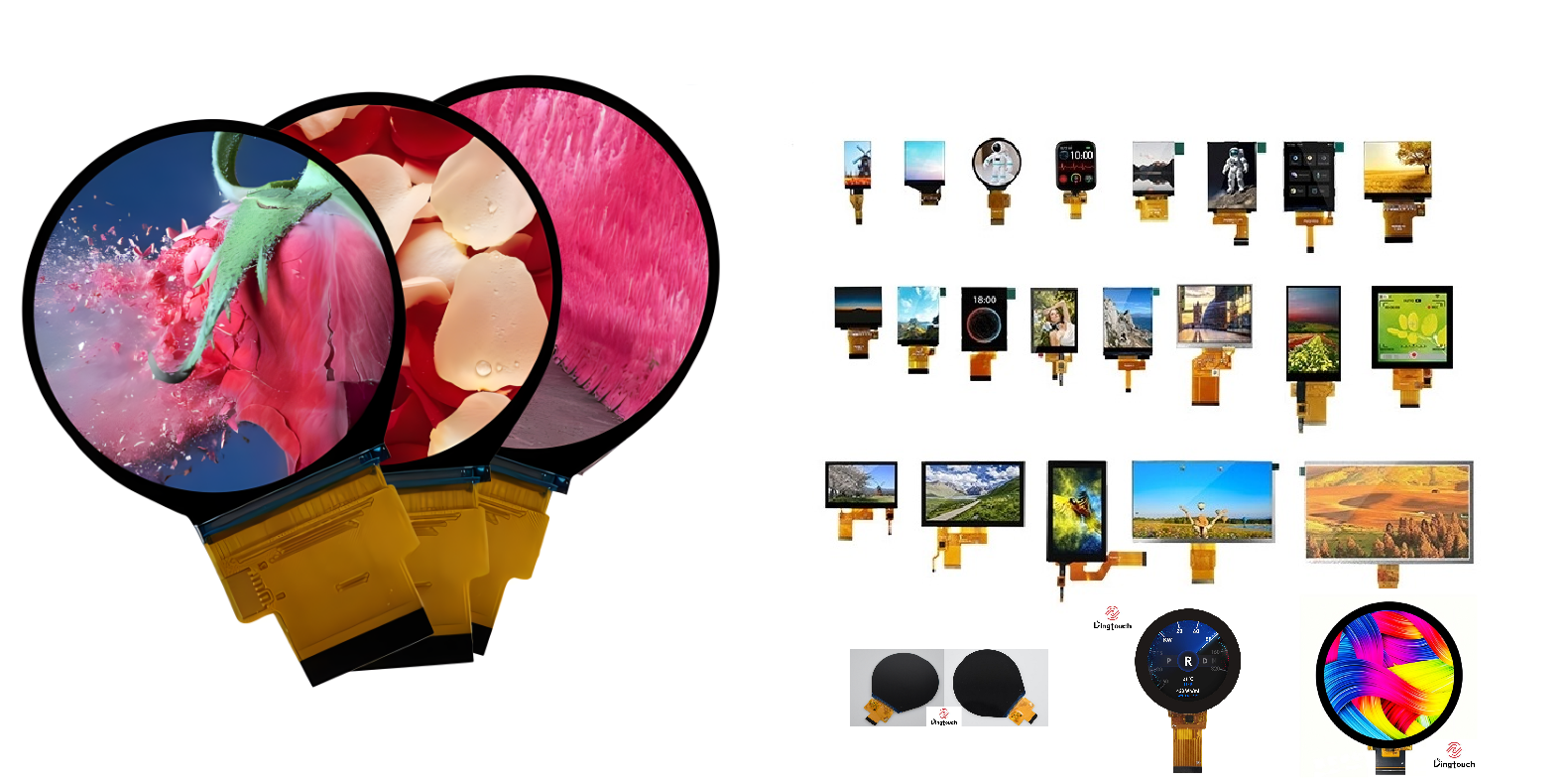
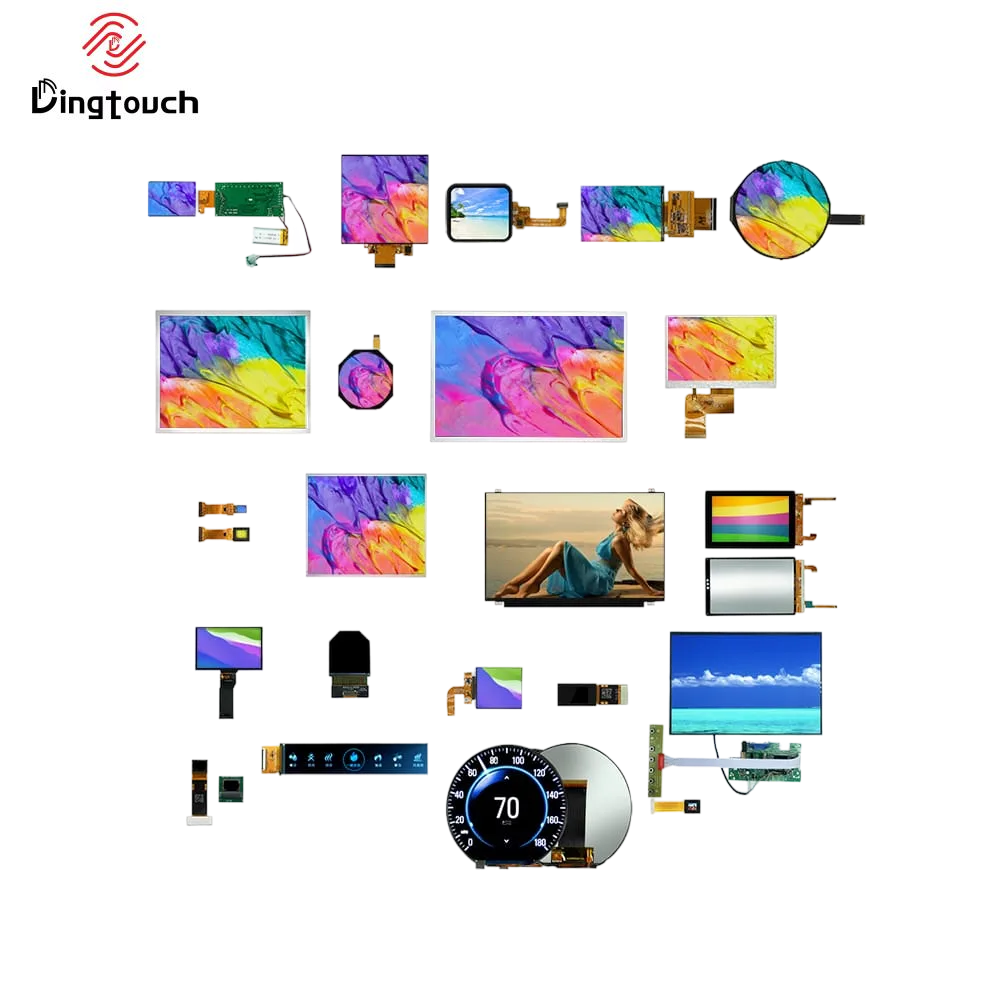
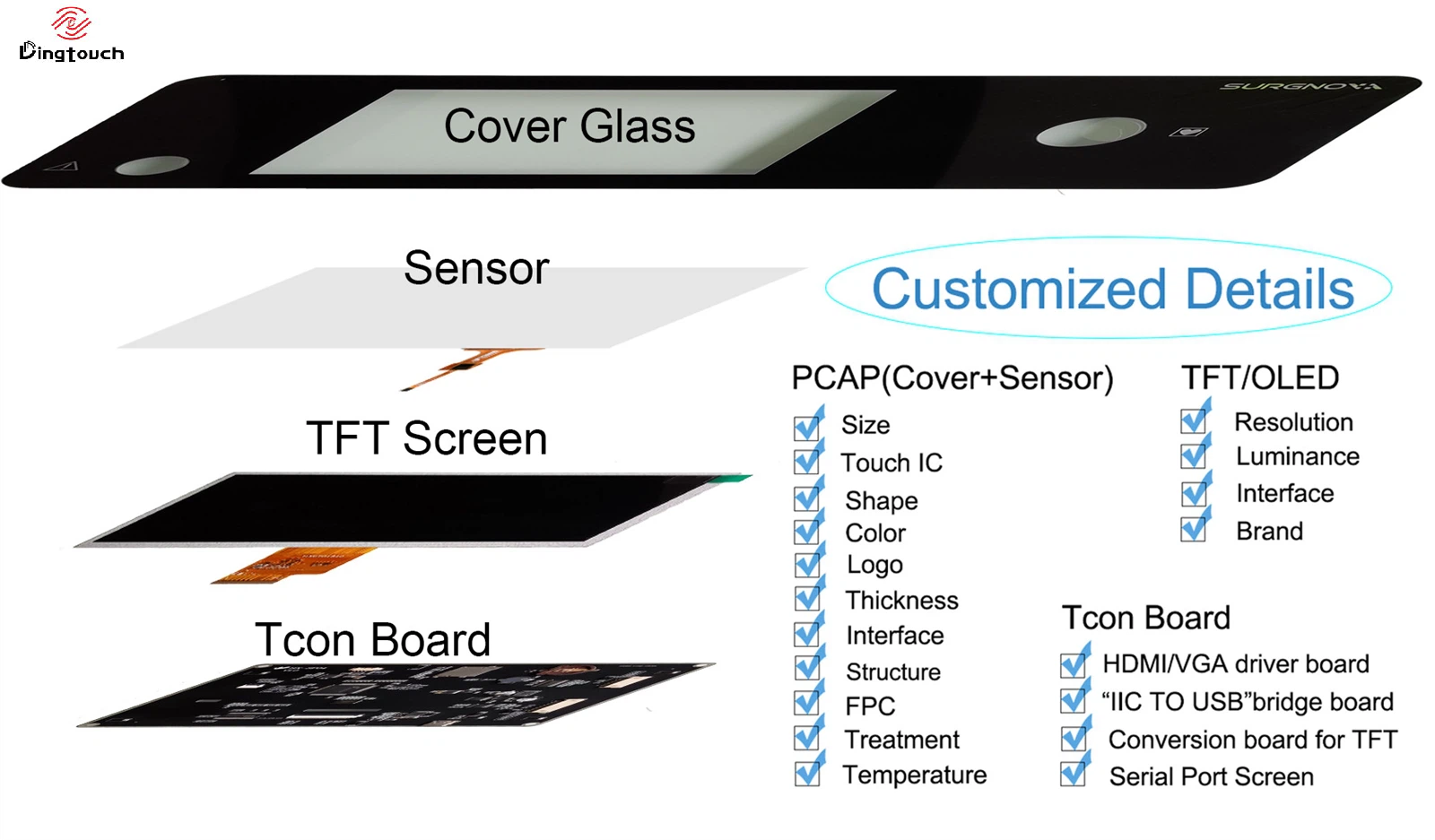
DINGTouch is an industrial touch display manufacturer specializing in customized capacitive touch screens, TFT LCD modules, cover glass, and complete display assemblies.
With 15 years of industrial touch display customization experience, we support OEM and ODM customers from engineering evaluation to prototype development and production.
Our manufacturing and engineering capabilities include:
-
Customized cover glass design and processing.
-
Glass edge grinding and polishing.
-
Chemical strengthening and tempered glass solutions.
-
AG, AR, and AF surface treatments.
-
Custom silk-screen printing.
-
PCAP touch sensor development.
-
TFT LCD integration.
-
OCA and LOCA optical bonding.
-
Complete touch display assembly.
Why Work with DINGTouch?
Integrated Manufacturing Capability
We combine LCD, capacitive touch panel, cover glass, and full optical bonding capabilities to support complete display customization.
Engineering-Oriented Project Evaluation
We evaluate mechanical drawings, display specifications, touch requirements, glass thickness, and environmental conditions before recommending a suitable structure.
Flexible OEM/ODM Customization
From standard glass dimensions to complex curved edges, special cutouts, and customized printed designs, solutions can be developed according to project requirements.
Support from Prototype to Production
Our team supports project evaluation, engineering drawings, sample development, testing, and production preparation.
Whether you need a standard industrial touch panel or a fully customized cover glass assembly, DINGTouch can help evaluate the appropriate glass structure and manufacturing process.
12. Frequently Asked Questions About Cover Glass Edge Types
Q1: What is the most common edge type for industrial touch screen cover glass?
Pencil edges and flat polished edges are commonly used, depending on the mechanical structure and appearance requirements. The final selection should consider glass thickness, installation conditions, and exposed-edge requirements.
Q2: What is the difference between a chamfer edge and a bevel edge?
Both feature angled surfaces. A chamfer generally refers to a smaller angled corner treatment, while a bevel typically refers to a wider decorative angled surface.
Q3: Is a pencil edge better than a flat edge?
Not necessarily. A pencil edge provides a rounded profile and comfortable tactile feel. A flat edge offers a straight profile that may be more suitable for certain mounting structures. The better choice depends on the product design.
Q4: What is the advantage of a 2.5D curved glass edge?
A 2.5D curved edge provides a refined transition between the front surface and the glass perimeter. It improves visual appearance and tactile experience, especially in premium electronic products and smart control panels.
Q5: Can chemically strengthened glass have a customized edge?
Yes. Edge geometry can generally be customized before chemical strengthening. The machining sequence should be carefully controlled because edge quality influences the final mechanical performance.
Q6: Can DINGTouch customize cover glass with AG, AR, and AF coatings?
Yes. DINGTouch can evaluate AG, AR, and AF surface treatments according to the optical, environmental, and cleaning requirements of the application.
Q7: Can DINGTouch supply complete touch screen assemblies with customized cover glass?
Yes. DINGTouch provides customized cover glass, PCAP touch sensors, TFT LCD modules, and full optical bonding solutions to support complete industrial touch display assemblies.


Conclusion: The Right Glass Edge Starts with the Right Engineering Design
Choosing a cover glass edge is not simply an aesthetic decision. It involves glass geometry, machining precision, mechanical strength, installation structure, touch interaction, and long-term reliability.
From basic safety seaming and flat edges to pencil polished, 2.5D curved, and customized step edges, each process serves different engineering and product design requirements.
At DINGTouch, we help OEM customers evaluate the complete cover glass and touch display structure, ensuring that edge finishing, glass material, surface treatment, touch performance, and optical bonding work together.
Looking for a customized cover glass or industrial touch screen solution?
Contact DINGTouch to discuss your drawings, glass specifications, edge requirements, and application conditions.
Website: https://www.szdingtouch.com
Email: sales@szdingtouch.com
DINGTouch – Your Industrial Touch Display Customization Partner.
-
Industrial Capacitive Touch Screen: https://www.szdingtouch.com/
-
Cover Glass Customization
-
PCAP Touch Screen Solutions
-
Optical Bonding Technology
-
Industrial Touch Display Solutions

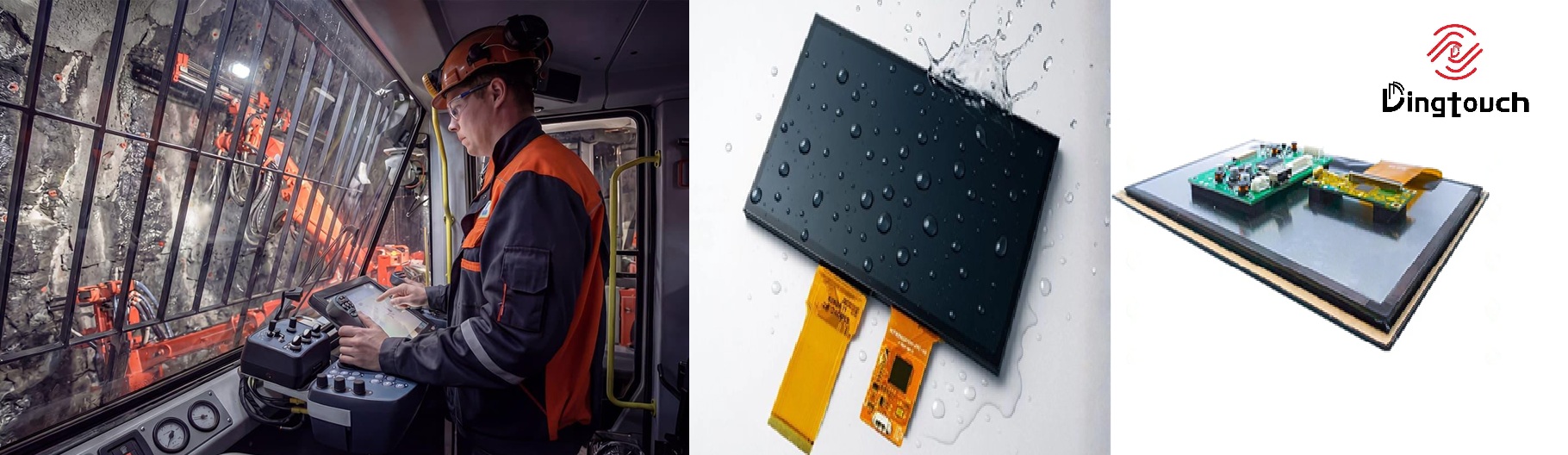
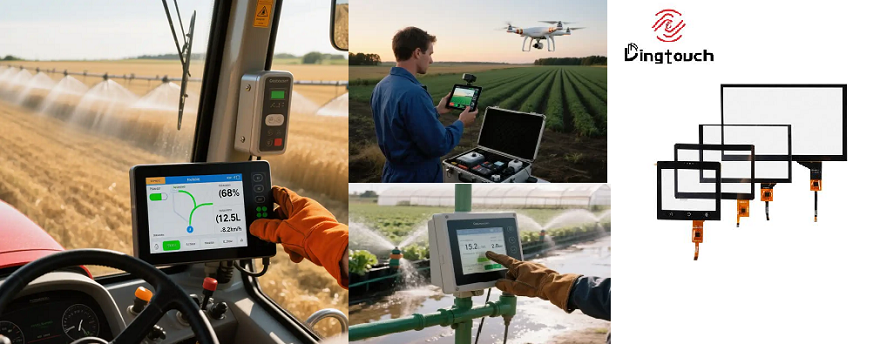
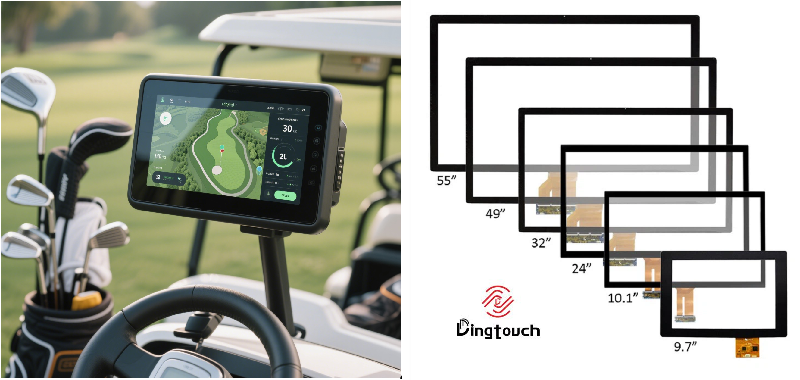
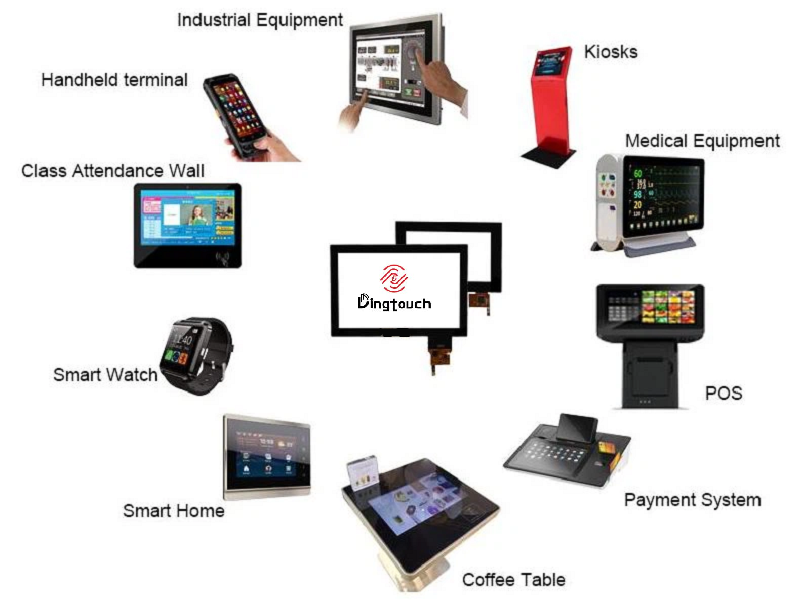




Ready to Build Your Outdoor Display Solution?
Get in touch with us at sales@szdingtouch.com. Our expert engineers will help you design a cost-effective, tailored solution to meet your project’s exact specifications.
CATEGORIES
CONTACT US
Contact: Dingtouch
Phone: +8615815536116
Tel: +8615815536116
Email: sales@szdingtouch.com
Add: Building A, Bailu Plaza, No. 48, Gonghe Industrial Road, Gongle Community, Xixiang Street, Baoan District, Shenzhen,China. 518126
 Dingtouch