News
Full Lamination vs. Zero-Gap Lamination: Key Differences, Advantages, Disadvantages, and Applications
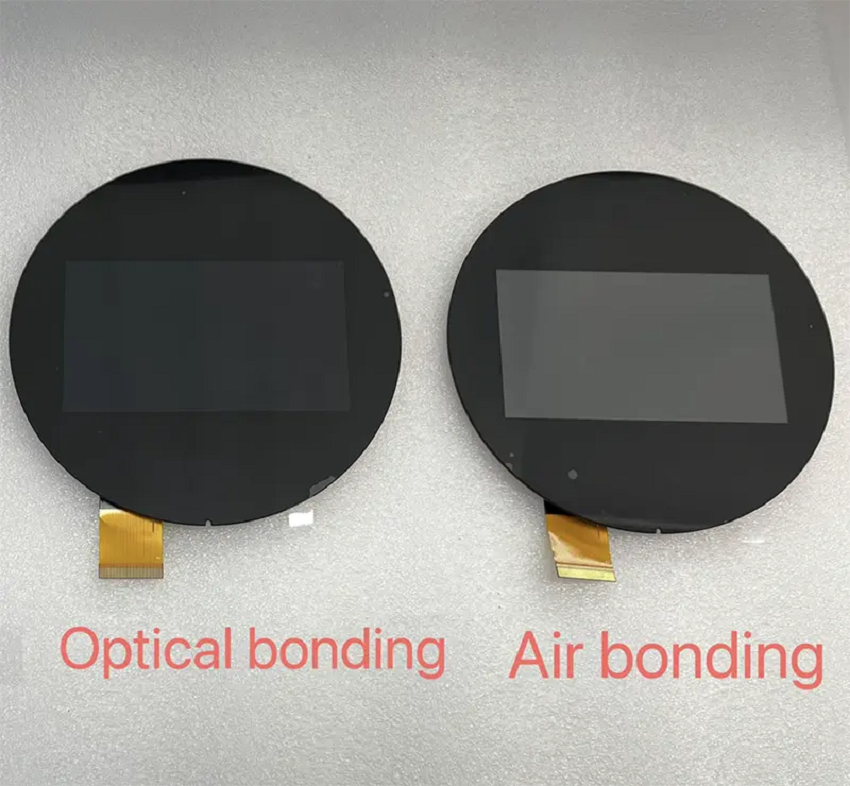
Full Lamination vs. Zero-Gap Lamination: Key Differences, Advantages, Disadvantages, and Applications
In industrial automation, medical equipment, interactive meeting displays, digital signage, and outdoor display systems, the lamination process plays an important role in display quality, touch performance, structural reliability, environmental protection, and maintenance costs.
What is the difference between full lamination and zero-gap lamination? Which process is better for your application?
For OEM/ODM manufacturers, purchasing managers, and hardware engineers, selecting the right lamination technology requires a comprehensive evaluation of optical performance, product structure, operating environment, manufacturing costs, and long-term maintenance requirements.
As a manufacturer specializing in industrial capacitive touch screens and customized touch display solutions, DINGTouch explains the working principles, advantages, limitations, and typical applications of these two approaches to help you make an informed decision.
1. What Is Full Lamination?
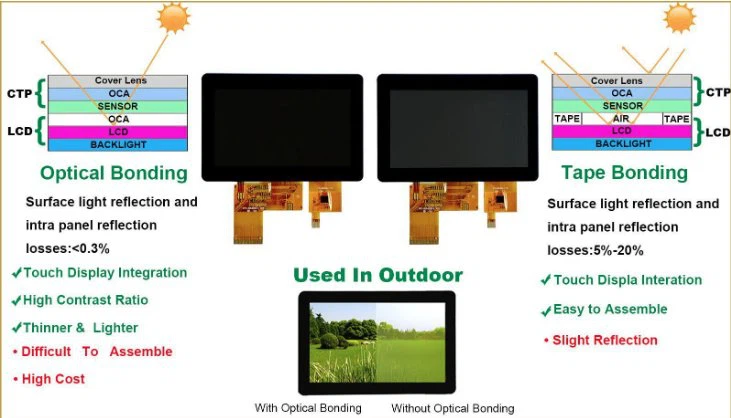
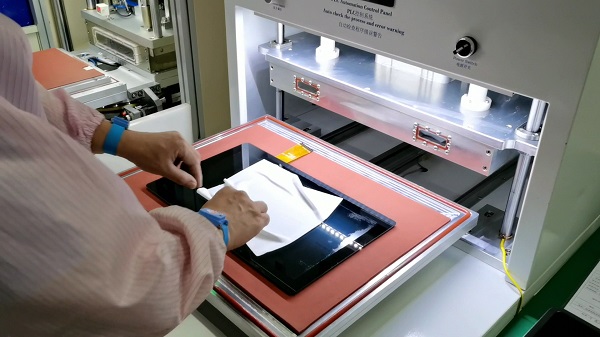
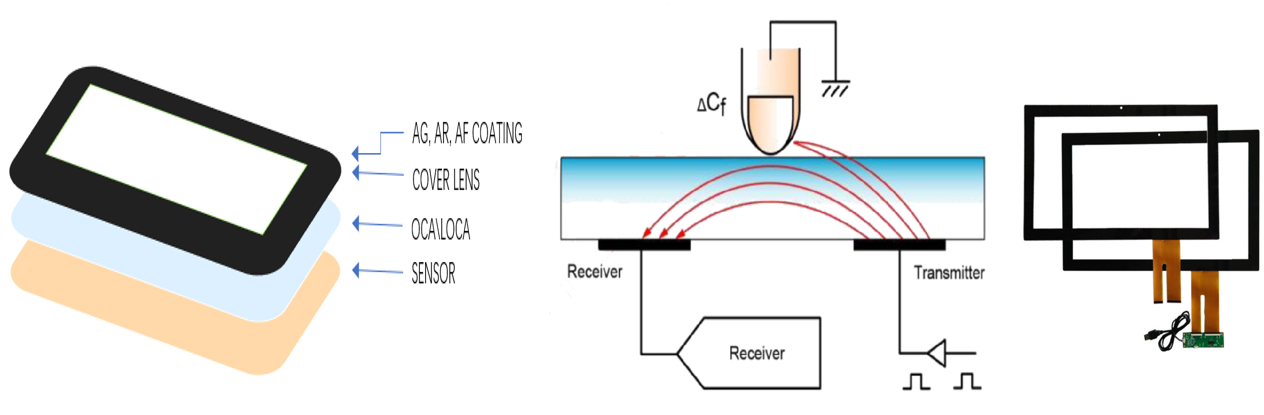
Full lamination is a bonding process that uses optically clear adhesive to bond touch components and display modules closely together. Depending on the product design, the cover glass (CG), touch panel (TP), and liquid crystal display module (LCM) can be bonded at one or multiple interfaces to create an integrated display assembly.
Two commonly used optical bonding materials are:
-
OCA (Optically Clear Adhesive): A solid optical adhesive supplied in film form and widely used for bonding display components.
-
LOCA (Liquid Optically Clear Adhesive): A liquid optical adhesive that typically requires a suitable curing process.
With appropriate material selection, bonding equipment, and process control, optical adhesive fills the air gaps between components and reduces interface reflections, helping improve display clarity and visual performance.
1.1 Typical Structure of Full Lamination
A typical touch display assembly may use the following structure:
Cover Glass (CG) → Optical Adhesive → Touch Panel (TP) → Optical Adhesive → LCD Module (LCM)
The actual configuration depends on the touch display design. For example, some products integrate the touch sensor with the cover glass, so two separate bonding interfaces may not be necessary.
1.2 Advantages of Full Lamination
Improved Optical Performance
Full lamination eliminates air gaps at bonded interfaces, reducing reflections caused by the refractive index difference between air and glass.
This can improve display clarity and readability in environments with strong ambient light, including outdoor installations, industrial facilities, and commercial display applications.
Actual optical performance also depends on display brightness, surface reflectance, cover glass treatments, and adhesive properties.
More Natural Touch and Writing Experience
By reducing the distance between the touch sensor and the display panel, full lamination minimizes parallax.
This is particularly valuable for industrial human-machine interfaces (HMIs), interactive whiteboards, medical operating terminals, and other devices that require precise touch input or accurate on-screen writing.
Better Support for Environmental Protection
Full lamination reduces internal air gaps and can help limit the accumulation of dust and moisture between display components.
However, the overall protection rating of the finished product, such as IP65 or IP67, also depends on enclosure design, gaskets, connectors, and the sealing of the complete assembly.
Suitable for Integrated, High-Reliability Display Assemblies
With appropriate materials and process control, full lamination can contribute to structural stability and a more integrated display design. It is widely considered for industrial and professional equipment that requires reliable operation and consistent display performance.
1.3 Limitations of Full Lamination
Full lamination is not necessarily the best choice for every project.
-
Higher manufacturing costs: Optical adhesives, vacuum bonding equipment, controlled production environments, and quality inspections increase manufacturing costs.
-
More demanding process control: Bubbles, contamination, alignment errors, uneven adhesive layers, and adhesive overflow must be carefully controlled.
-
More difficult repair: Once the adhesive has cured, separating the cover glass, touch panel, and LCD module can be difficult. Depending on the damage, the complete bonded assembly may need to be replaced.
-
Challenges with large-format displays: As display size, cover glass thickness, and structural complexity increase, manufacturers may face additional challenges involving yield, material costs, and transportation protection.
Full lamination is therefore particularly suitable for projects that prioritize optical performance, structural integration, and long-term reliability.
2. What Is Zero-Gap Lamination?
Zero-gap lamination generally refers to a design or assembly approach that eliminates the air gap between display components through a specific structure or transparent filling medium.
However, it is important to understand that zero-gap lamination is not a universally standardized term with exactly the same definition across all manufacturers and industries.
Some suppliers use the term to describe non-adhesive gap-filling structures, while others may use it for different bonding or gap-elimination technologies. Terms such as zero-gap, air-gap-free, and similar expressions may therefore describe different constructions depending on the supplier.
If a zero-gap design uses a non-adhesive transparent medium between the touch panel and LCD module, with the components held in position by an edge-fixing structure, its construction differs significantly from conventional full lamination using optical adhesive.
2.1 Typical Structure of a Separable Zero-Gap Design
One possible configuration is:
Cover Glass (CG) → Edge-Fixing Structure → Touch Panel (TP) → Transparent Filling Medium → LCD Module (LCM)
The exact structure depends on the filling medium, support mechanism, and component-fixing method.
Not every zero-gap solution uses a non-adhesive medium or allows the components to be separated. Some products described as zero-gap still use bonding materials.
Therefore, the actual cross-sectional structure, material specifications, and assembly method should be confirmed before selecting a solution.
2.2 Advantages of Zero-Gap Lamination
Greater Flexibility in Structural Design
If a design uses a separable structure, the touch panel and LCD module may be removed independently during servicing. This can reduce replacement costs in certain failure scenarios.
Potentially Lower Manufacturing and Maintenance Costs
For products that do not require the highest possible optical performance but place a strong emphasis on cost control and serviceability, a separable structure may be worth considering.
However, the actual cost depends on the filling medium, mechanical design, assembly process, and production yield. Zero-gap lamination is not automatically less expensive than full lamination.
Potential Suitability for Large-Format Displays
For certain large commercial displays, a separable design may offer a useful balance between maintenance flexibility, component replacement, and overall cost.
Its suitability must still be verified through structural stability, transportation vibration, and long-term aging tests.
2.3 Potential Limitations of Zero-Gap Lamination
-
Optical performance depends on the filling medium: Unsuitable refractive index, transparency, or interface stability may lead to additional reflections, haze, or display nonuniformity.
-
Structural reliability requires validation: Separable components need appropriate positioning, support, and fixation to prevent displacement during transportation or long-term vibration.
-
Sealing performance cannot be assumed: A non-adhesive structure is not automatically dustproof or waterproof. Protection depends on the complete mechanical design and sealing system.
-
Material aging must be evaluated: Yellowing, evaporation, bubble formation, deformation, or other aging effects should be assessed according to the material properties and operating environment.
The main potential value of zero-gap lamination lies in structural flexibility and serviceability, rather than simply serving as a lower-cost replacement for full lamination.
3. Full Lamination vs. Zero-Gap Lamination: Key Differences
| Comparison | Full Lamination | Separable Zero-Gap Design |
|---|---|---|
| Basic principle | Components are bonded with optical adhesive | Air gaps are eliminated through a specific medium and structure |
| Component connection | Usually adhesive-bonded | May use a non-adhesive, separable structure |
| Optical performance | Generally well suited to high optical performance | Depends on the filling medium and interface design |
| Touch parallax | Usually minimized | Depends on the actual component spacing |
| Manufacturing process | Requires careful control of bonding equipment, cleanliness, and process parameters | Depends on the filling method and structural design |
| Repair and maintenance | Separation and rework are usually more difficult | A separable design can facilitate individual component replacement |
| Environmental protection | Can reduce internal gaps, but complete sealing is still necessary | Fixation, sealing, and medium stability require validation |
| Cost structure | Initial manufacturing and repair costs may be higher | May reduce maintenance costs with an appropriate design |
| Main considerations | Optical quality, reliability, and integration | Serviceability, structural flexibility, and cost balance |
This comparison describes typical adhesive-bonded full lamination and separable zero-gap designs. Since the term zero-gap is used differently across the industry, the actual construction should always be confirmed with the supplier.
4. Which Applications Are Suitable for Full Lamination and Zero-Gap Lamination?
4.1 Industrial touch screens and Human-Machine Interfaces
Industrial equipment often operates continuously in environments involving dust, oil contamination, temperature fluctuations, vibration, and electromagnetic interference.
For outdoor control terminals, industrial automation equipment, and high-brightness touch displays, full lamination is often worth evaluating first, especially when optical clarity, internal protection, and structural integration are important requirements.
If the product requires regular maintenance and its mechanical design allows component separation, a separable zero-gap solution may also be considered. Its mechanical fixation and environmental performance must be thoroughly validated.
4.2 Medical Equipment and Professional Operating Terminals
Medical display systems commonly prioritize image clarity, cleanability, reliability, and long-term stability.
Full lamination can reduce internal air gaps and support a compact product structure. However, the suitability of a display for medical applications also depends on material compatibility, cleaning requirements, electrical safety, EMC performance, and applicable regulatory requirements.
Lamination is only one part of the overall medical display design and cannot independently establish product compliance or protection capability.
4.3 Interactive Meeting Displays and Educational Panels
Interactive meeting displays and educational panels must balance visual quality, writing accuracy, screen size, and manufacturing costs.
Full lamination is particularly valuable for products that require accurate writing, low parallax, and a premium visual experience.
For cost-sensitive projects where maintenance is a priority, a separable zero-gap structure may also be evaluated. Large-format products require additional consideration of mechanical design, transportation impact, thermal expansion, and long-term stability.
4.4 Digital Signage and Outdoor Displays
Outdoor displays are frequently exposed to direct sunlight, temperature fluctuations, dust, and moisture.
For these applications, the lamination process should be considered together with display brightness, anti-reflective treatments, cover glass, enclosure sealing, and thermal management.
Full lamination is often suitable for products that require improved readability in bright environments and a more integrated display assembly.
However, if the finished product must meet IP65, IP67, or another specified protection rating, the complete device must be designed and tested accordingly.
5. What Should Engineers Confirm When Selecting a Lamination Process?
For OEM/ODM projects, confirming whether a display uses full lamination or zero-gap lamination is not enough. The following requirements should be established early in the development process.
5.1 Display and Optical Requirements
-
LCD size, resolution, and brightness
-
Cover glass thickness and surface treatment requirements
-
Target transmittance, reflectance, and haze
-
Readability requirements under strong ambient light
-
Requirements for AG, AR, or AF surface treatments
5.2 Touch Performance Requirements
-
Touch technology: G+G, G+F, G+F+F, or other structures
-
Touch interface: I²C, USB, or another specified interface
-
Glove touch, wet-finger operation, or multi-touch requirements
-
Active stylus, passive stylus, or specific touch accuracy requirements
-
Whether the touch sensor and cover glass require customization
5.3 Mechanical and Environmental Requirements
-
Operating and storage temperature ranges
-
Vibration, shock, and drop-test conditions
-
Dust and water protection targets and sealing methods
-
Product thickness, weight, and installation space
-
Long-term operation, UV exposure, and material aging requirements
5.4 Manufacturing, Maintenance, and Lifecycle Costs
-
Production volume and target unit cost
-
Bonding yield and production consistency
-
Repair procedures and spare-part availability
-
Whether the touch panel or LCD must be replaceable independently
-
Expected product lifecycle and long-term supply requirements
These details help manufacturers determine which lamination structure is most appropriate for a project, rather than comparing initial purchase prices alone.
6. DINGTouch: Customized Touch Display Solutions for Industrial and Professional Equipment
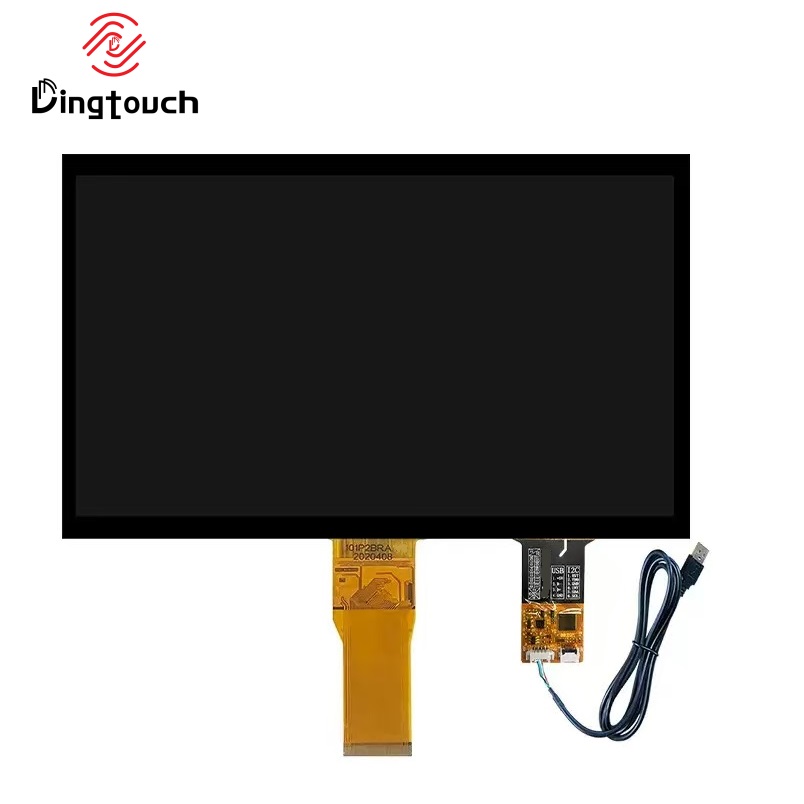
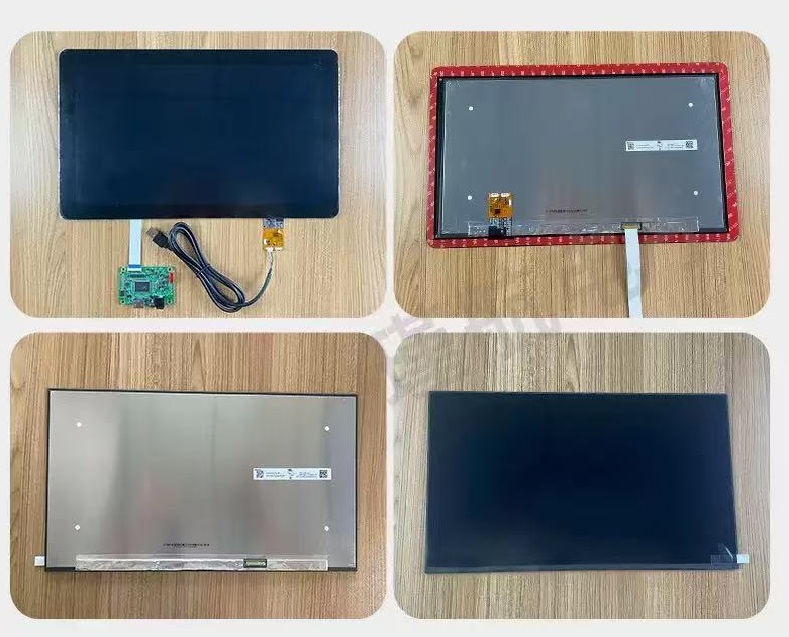
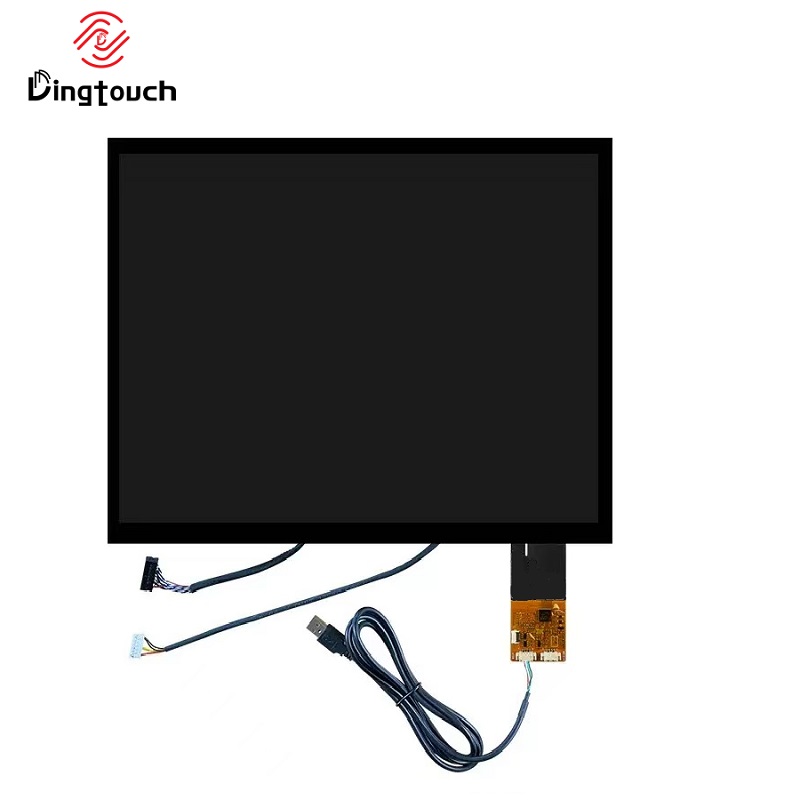
DINGTouch specializes in industrial capacitive touch screens, LCD display modules, and customized touch display assemblies, providing display solutions for equipment manufacturers with different technical and application requirements.
Depending on the product structure, display performance, and operating environment, DINGTouch can evaluate solutions in the following areas:
-
Full lamination and integrated touch displays: Evaluate suitable optical bonding approaches based on the cover glass, touch sensor, and LCD structure.
-
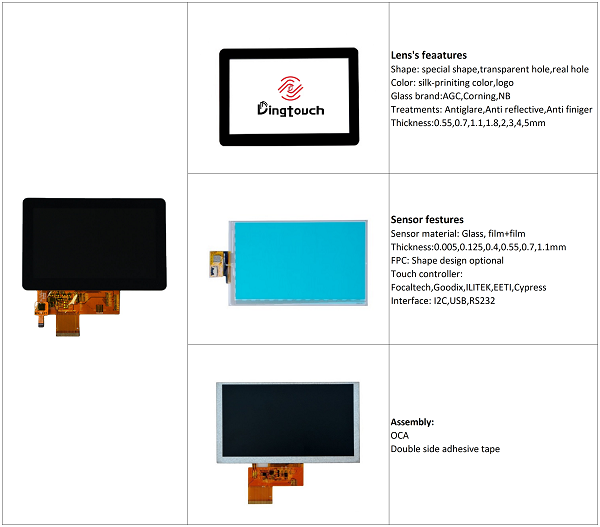
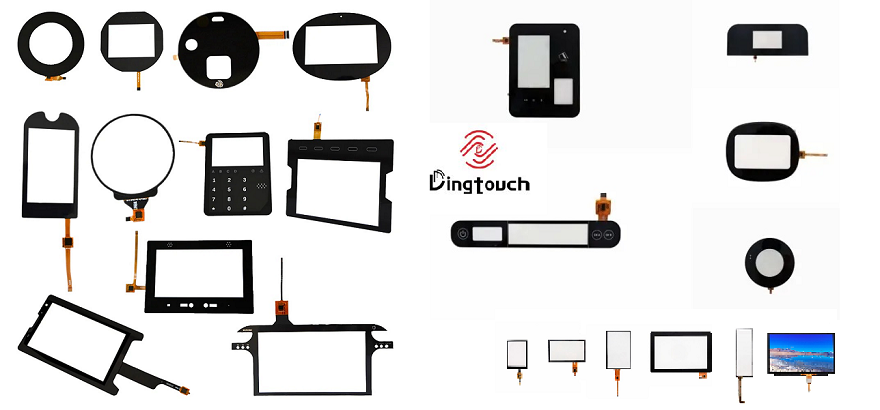
Customized cover glass: Evaluate glass dimensions, thickness, shapes, and surface treatments such as AG, AR, and AF according to project requirements.
-
Industrial display design: Assess high-brightness displays, wide-temperature operation, structural protection, and touch performance for demanding environments.
-
Interface and touch customization: Evaluate touch interfaces, display interfaces, and controller solutions according to the host platform and system requirements.
-
OEM/ODM project support: Conduct technical evaluations and customized development based on customer drawings, samples, or technical specifications.
Specific processes, materials, dimensions, and performance targets must be confirmed against the project requirements and validated through sample evaluation and appropriate testing.
If you are developing industrial control equipment, medical instruments, outdoor terminals, interactive meeting systems, or other professional display products, contact DINGTouch to discuss a suitable touch display and lamination solution.
Website: www.szdingtouch.com
Email: sales@szdingtouch.com
7. Frequently Asked Questions (FAQ)
Q1. Is full lamination always better than zero-gap lamination?
No. Full lamination is generally more suitable for products that prioritize optical performance, low parallax, and structural integration. A separable zero-gap design may be more suitable for applications that emphasize serviceability and structural flexibility.
The final choice depends on the product requirements and the performance of the specific design.
Q2. Can full lamination improve outdoor display readability?
Yes, to a certain extent. Eliminating air gaps helps reduce interface reflections, but outdoor readability also depends on display brightness, surface reflectance, cover glass treatments, viewing angles, and ambient light intensity.
Q3. Can a zero-gap display always be disassembled for repair?
No. Only designs specifically developed with separable components may allow the touch panel and LCD module to be removed independently.
Before purchasing, confirm the actual structure, filling medium, and repair procedure with the supplier.
Q4. Can full lamination make a touch screen IP65 or IP67 rated?
Not by itself. IP ratings depend on the complete product design, including the enclosure, connectors, seals, and assembly structure. The finished device must be designed and tested against the required protection standard.
Q5. Which lamination process is better for large-format touch displays?
Large-format displays require careful consideration of optical performance, structural strength, thermal expansion, transportation impact, maintenance requirements, and manufacturing yield.
Both full lamination and separable zero-gap designs may be suitable, depending on the actual product structure and application requirements. Screen size alone is not enough to determine the best option.


Conclusion
The key difference between full lamination and zero-gap lamination is not simply whether optical adhesive is used. It is how the components are connected, how the air gap is eliminated, and how the design balances optical performance, structural reliability, and long-term maintenance.
For industrial and professional equipment that prioritizes image quality, touch accuracy, and structural integration, full lamination is often a strong candidate. For products that require flexible maintenance, a separable zero-gap design may also offer practical advantages.
The right lamination process should be selected according to the product requirements, not simply by comparing process names or initial costs.
DINGTouch can help evaluate customized touch display solutions based on your screen size, display brightness, touch requirements, operating environment, and project volume.
Discover more industrial touch display solutions at www.szdingtouch.com.

Ready to Build Your Outdoor Display Solution?
Get in touch with us at sales@szdingtouch.com. Our expert engineers will help you design a cost-effective, tailored solution to meet your project’s exact specifications.
DINGTouch :Committed to continuous innovation and improvement of product quality to meet customers' high requirements and expectations.
DINGTouch is a manufacturer that provides high quality touch screen panels. Focus on the design, manufacturing and sales of touch screen panels, and are committed to providing customized solutions that satisfy customers.
DINGTouch: In the process of customizing touch screen panels, we focus on close cooperation and communication with customers. Understanding customers' needs and providing customized solutions will meet customers' individual needs. The company's products are favored by customers for their high quality and reliability, and provide them with the best touchscreen panel solutions.
DINGTouch :Committed to continuous innovation and improvement of product quality to meet customers' high requirements and expectations.
DINGTouch is a manufacturer that provides high quality touch screen panels. Focus on the design, manufacturing and sales of touch screen panels, and are committed to providing customized solutions that satisfy customers.
DINGTouch: In the process of customizing touch screen panels, we focus on close cooperation and communication with customers. Understanding customers' needs and providing customized solutions will meet customers' individual needs. The company's products are favored by customers for their high quality and reliability, and provide them with the best touchscreen panel solutions.
At DINGTOUCH, we are the world's leading touchscreen manufacturer, helping businesses around the world take advantage of this exciting technology. For more information, please visit the home page now.
Find the DINGTouch technical team to achieve the success of your company's new project.

DINGTouch is a company specializing in the R&D and production of touch screen technology, headquartered in Shenzhen, China. As a professional touch screen supplier, DINGTouch is committed to providing high-quality, stable and reliable touch screen products to meet the diverse needs of customers. We continue to carry out technological innovation and product optimization to ensure that its touch screen products have good sensitivity, accuracy and durability.
In addition to the products themselves, we also focus on cooperation and communication with customers, and are committed to providing customized solutions and excellent after-sales services. Through continuous efforts to improve product quality and customer satisfaction, we have established a good reputation in the touchscreen industry and won widespread market recognition.
In addition to the products themselves, we also focus on cooperation and communication with customers, and are committed to providing customized solutions and excellent after-sales services. Through continuous efforts to improve product quality and customer satisfaction, we have established a good reputation in the touchscreen industry and won widespread market recognition.
What DINGTOUCH can do:
• PCAP maximum size 65”
• Multi-touch (Touch screen can be customized to your needs.)
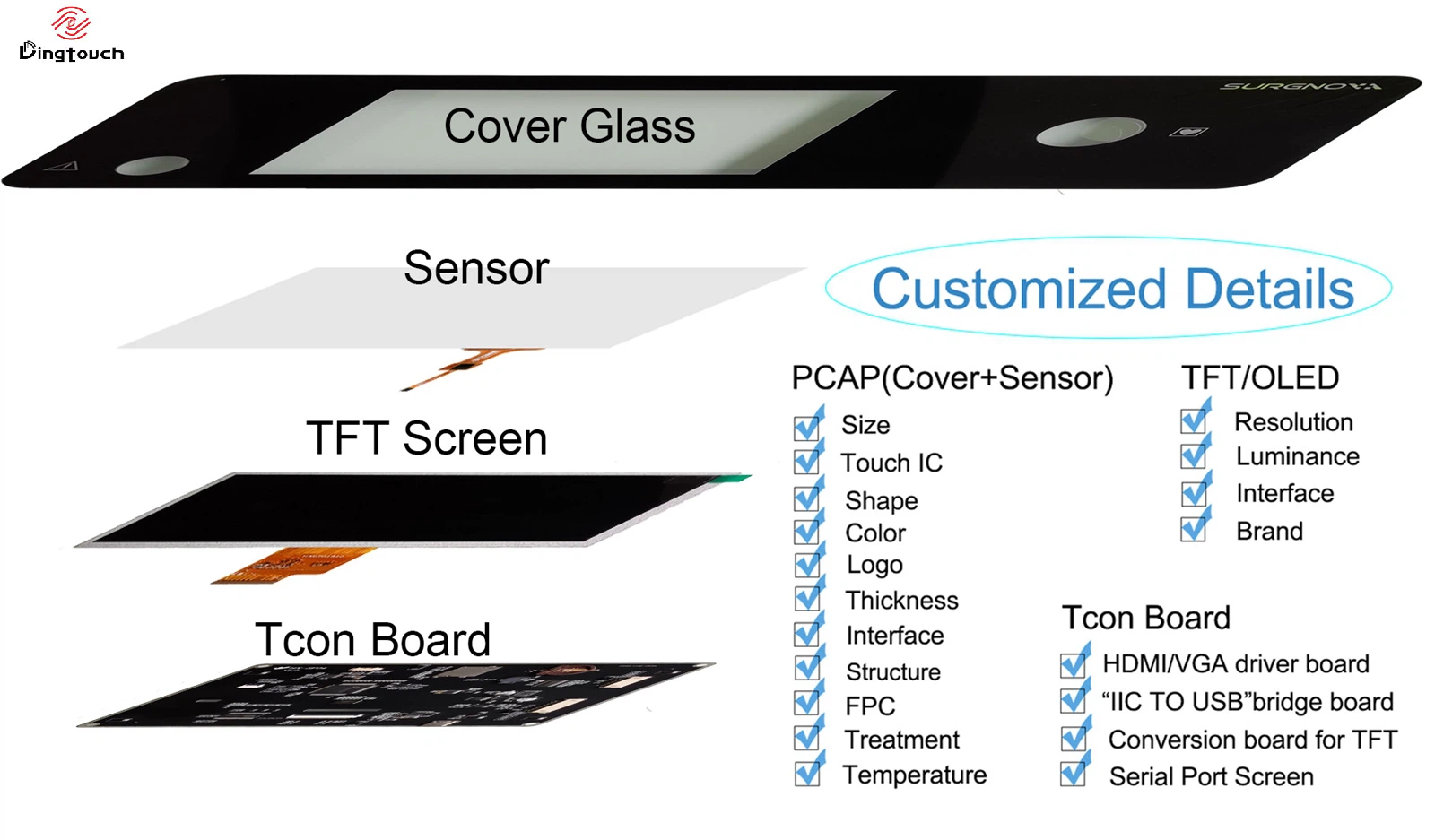
• Optical bonding service/air bonding
• LCD interface: HDMI/RGB/MIPI/LVDS/EDP, etc.
• PCAP interface: IIC/USB interface
• CTP can customize the cover glass surface treatment process AG (anti-glare), AR (anti-reflection), AF (anti-fingerprint), waterproof, and glove touch
• Supports 0.55 mm-12 mm coverslip touch.
• Support operating temperature: -40℃-90℃.
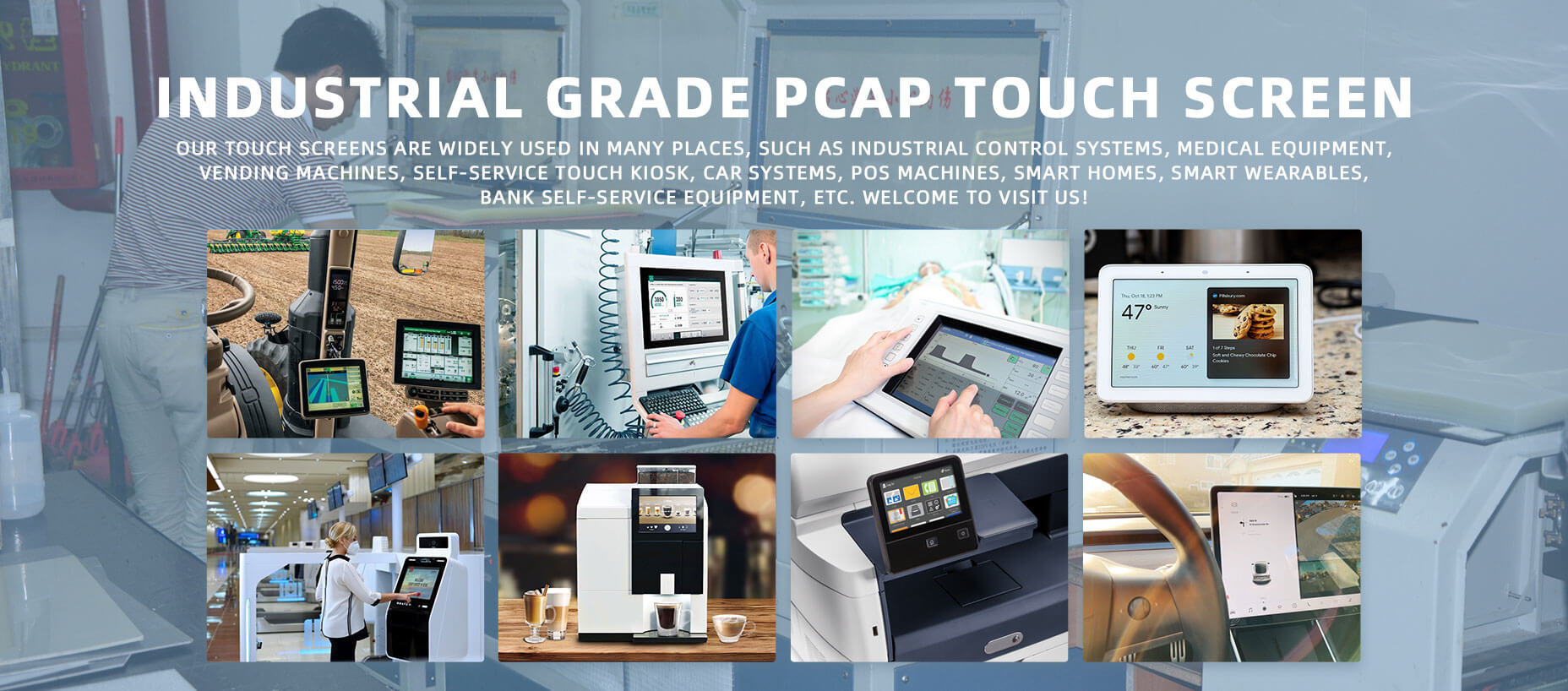
Dingtouch Industrial capacitive touch screen Manufacturer
In conclusion, Dingtouch as a professional touch screen manufacturer with more than 10 years touch screen experience.We have many capacitive touch screen. Such as5 inch touch screen,7 inch touch screen,10.1inch touch screen,15 inch touch screen,15.6 inch touch screen,17 inch touch screen,18.5 inch touch screen,19 inch touch screen,21.5 inch touch screen,32 inch touch screen, However, we also welcome to customize your own touch screen . Contact our team today to learn what capacitive touch screen are best for our retail business needs.
Contact us NOW! sales@szdingtouch.com
#Medicaltouchscreencalibration, #capacitivetouchcalibrationguide, #IEC60601touchscreen, #DINGTouchmedicaldisplay, #touchscreenaccuracy, #touchscreendriftfix, #medicalequipmenttouchsolutions, #IP65touchpanel, #IK10medicaltouchscreen, #glovetouchmedicalmonitor,#ILITEKTouchControllerICSelectionGuide,
CATEGORIES
CONTACT US
Contact: Dingtouch
Phone: +8615815536116
Tel: +8615815536116
Email: sales@szdingtouch.com
Add: Building A, Bailu Plaza, No. 48, Gonghe Industrial Road, Gongle Community, Xixiang Street, Baoan District, Shenzhen,China. 518126
 Dingtouch