News
0.55mm Ultra-Thin L-Shaped 3D Hot-Bent Cover Glass: DINGTouch Overcomes Complex Glass Forming Challenges
0.55mm Ultra-Thin L-Shaped 3D Hot-Bent Cover Glass: DINGTouch Overcomes Complex Glass Forming Challenges
As high-end consumer electronics, industrial equipment, smart terminals, and automotive electronics continue to move toward thinner, lighter, and more integrated designs, conventional flat cover glass is increasingly unable to meet the requirements of complex product structures.
Ultra-thin 3D curved glass, L-shaped cover glass, and 90° hot-bent structures are particularly challenging to manufacture. These applications require close coordination between glass materials, thermal forming, precision printing, surface treatment, chemical strengthening, dimensional control, and final assembly.
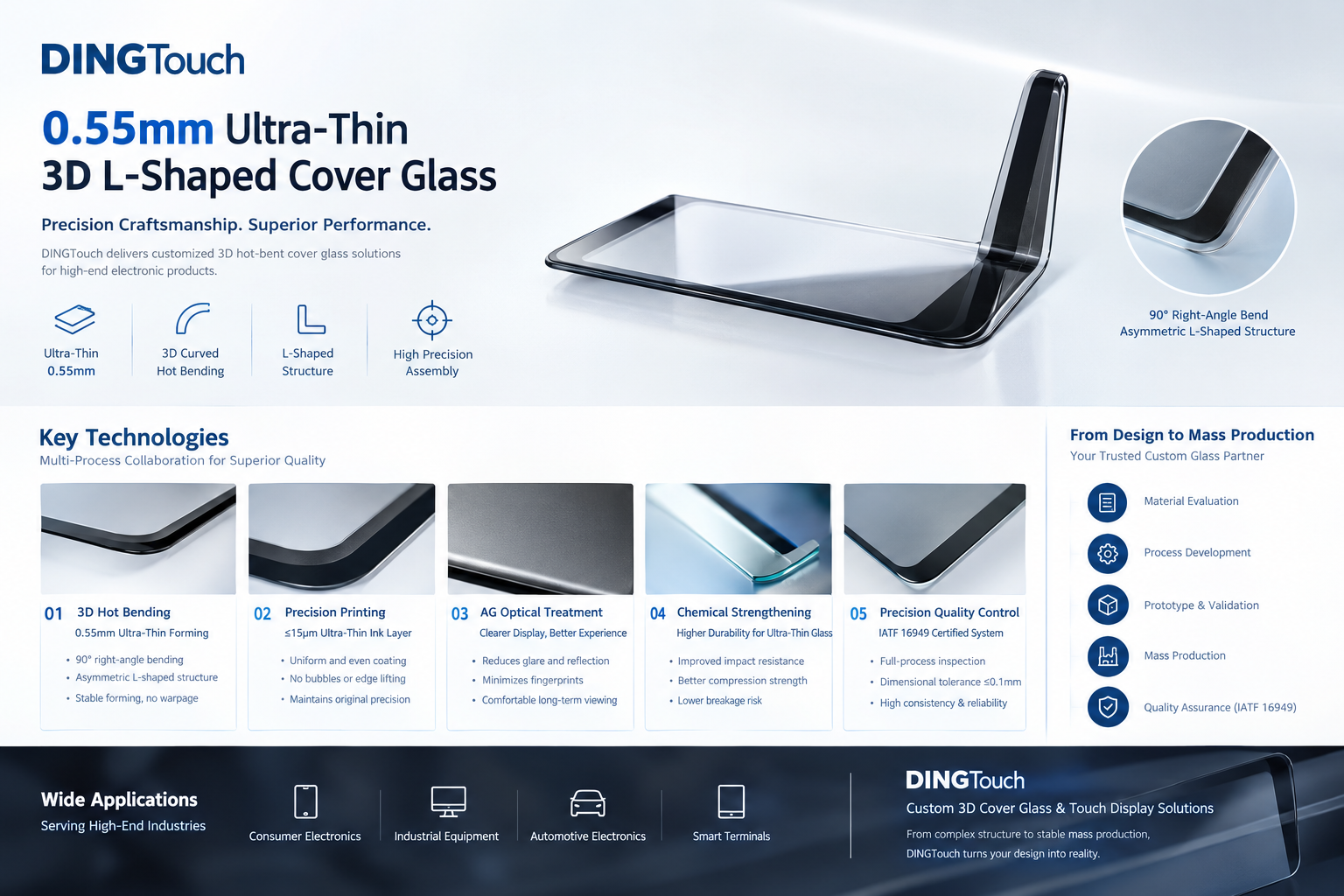
For a high-end terminal project, DINGTouch integrated multiple process capabilities and engineering resources to develop a customized 0.55mm ultra-thin L-shaped 3D hot-bent cover glass solution.
After multiple rounds of process validation and optimization, the project achieved stable mass production and delivery.
This project demonstrates DINGTouch's capabilities in ultra-thin glass processing, complex 3D forming, precision printing, AG surface treatment, chemical strengthening, and high-precision quality control.
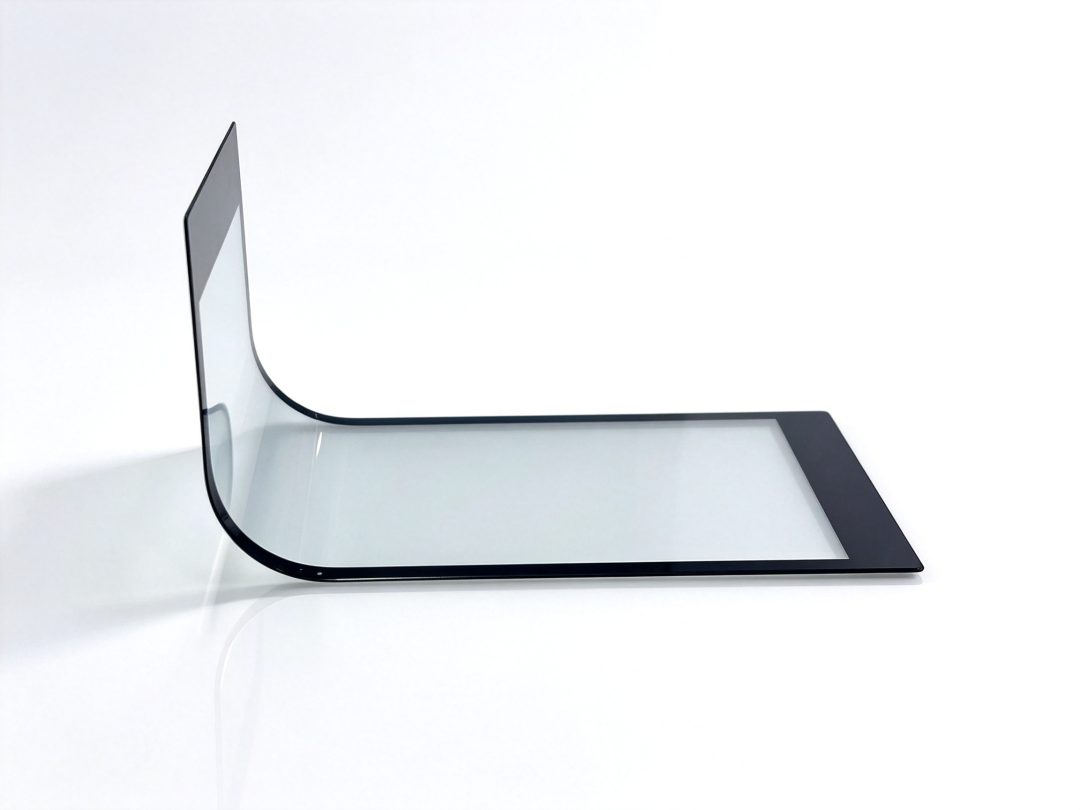
01. 0.55mm Ultra-Thin 3D Hot Bending for Stable L-Shaped Forming
The project uses 0.55mm ultra-thin AG glass as the base material, supporting lightweight and compact product designs while maintaining the required structural characteristics.
Compared with conventional flat cover glass, an L-shaped 3D cover requires the manufacturing process to address multiple challenges simultaneously, including:
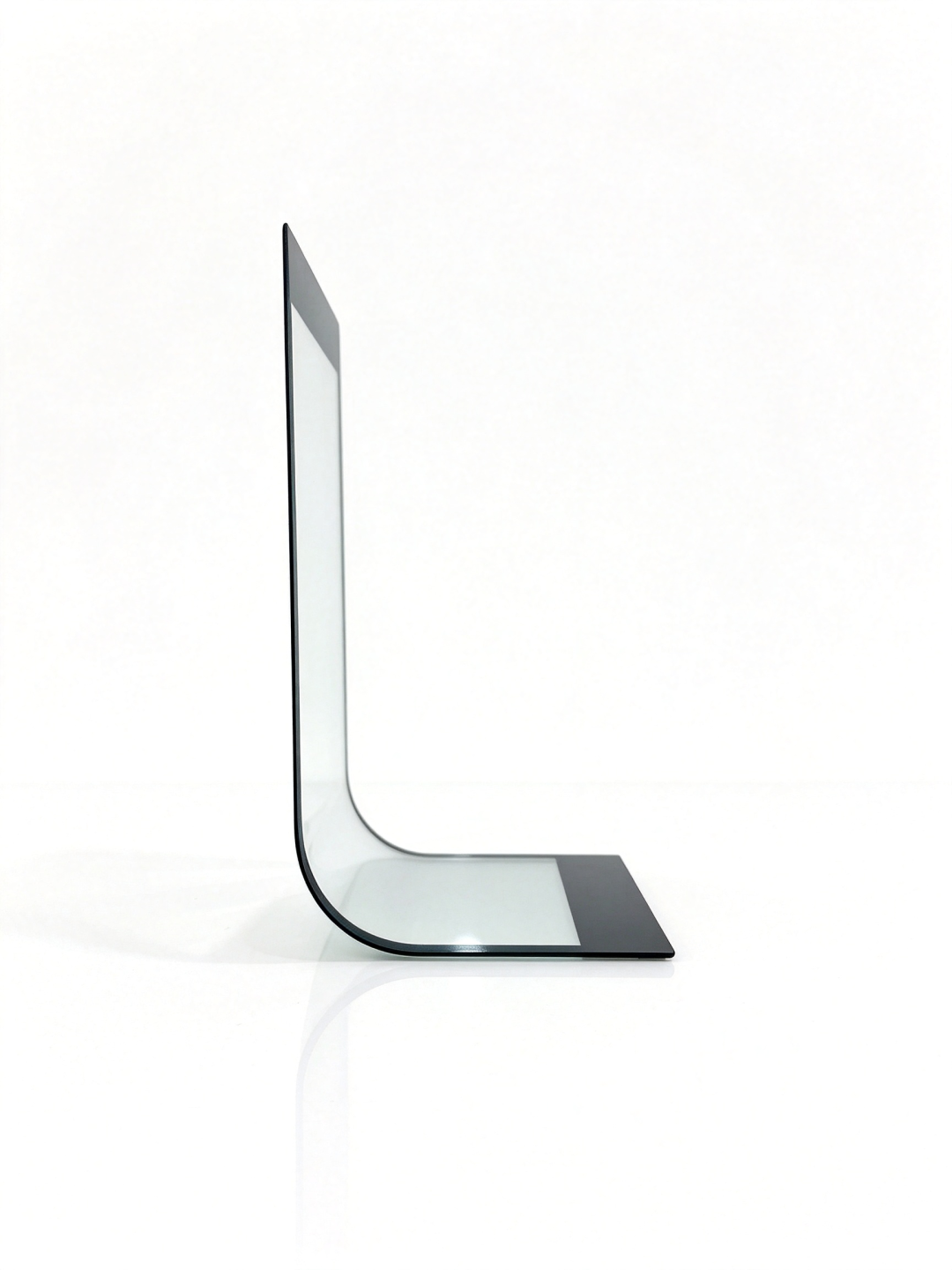
- 90° right-angle bending
- Asymmetric L-shaped forming
- Whitening around the bending area
- Angle springback
- Warpage and deformation
- Dimensional consistency after multiple processes
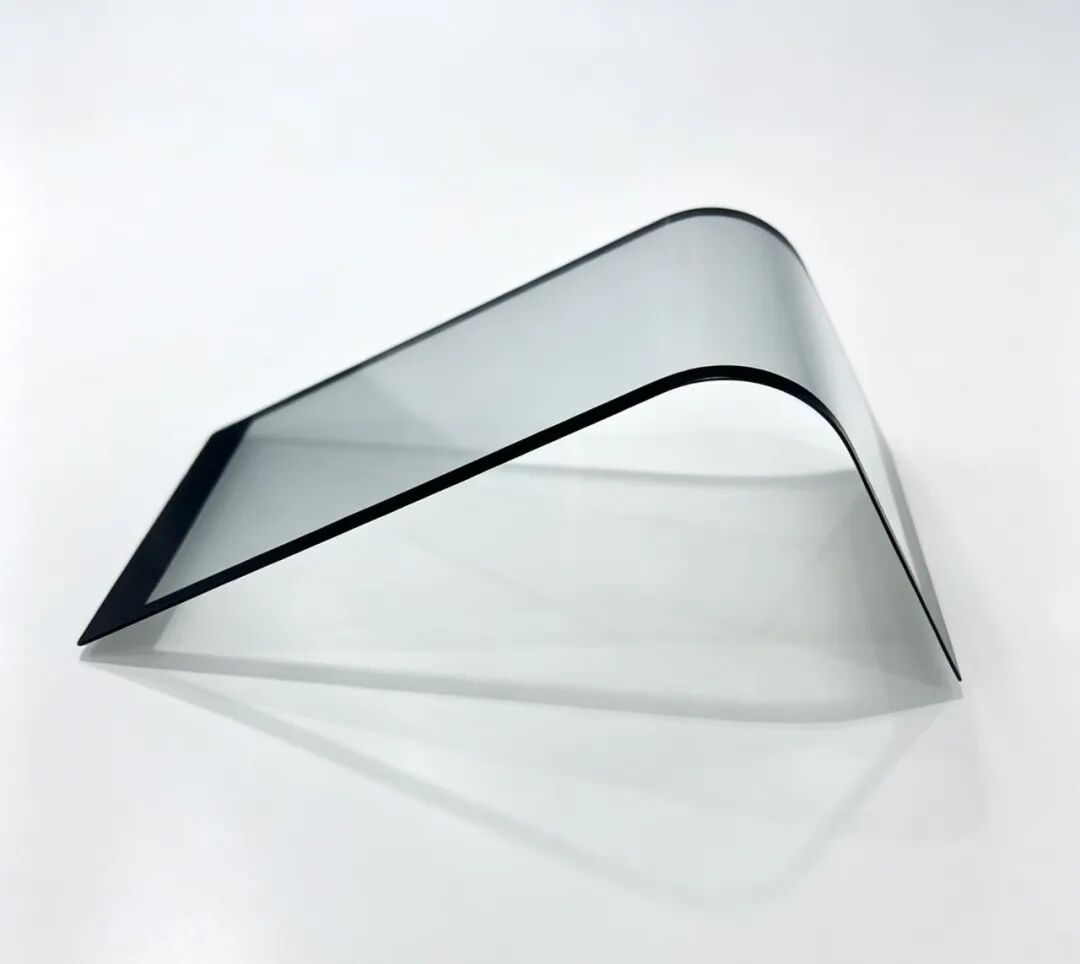
DINGTouch uses controlled thermal forming and optimized temperature profiles to achieve stable glass deformation during the hot-bending process.
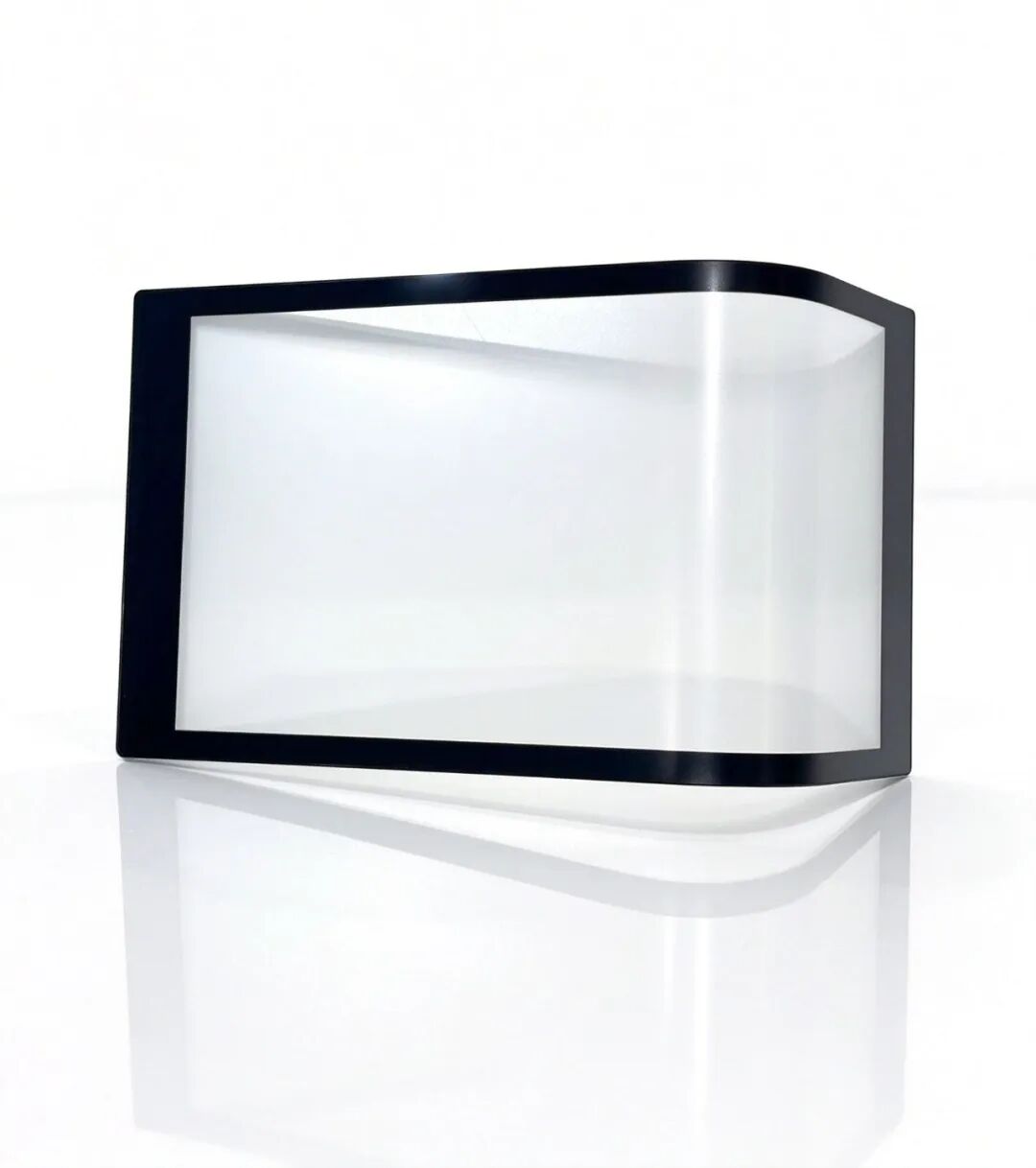
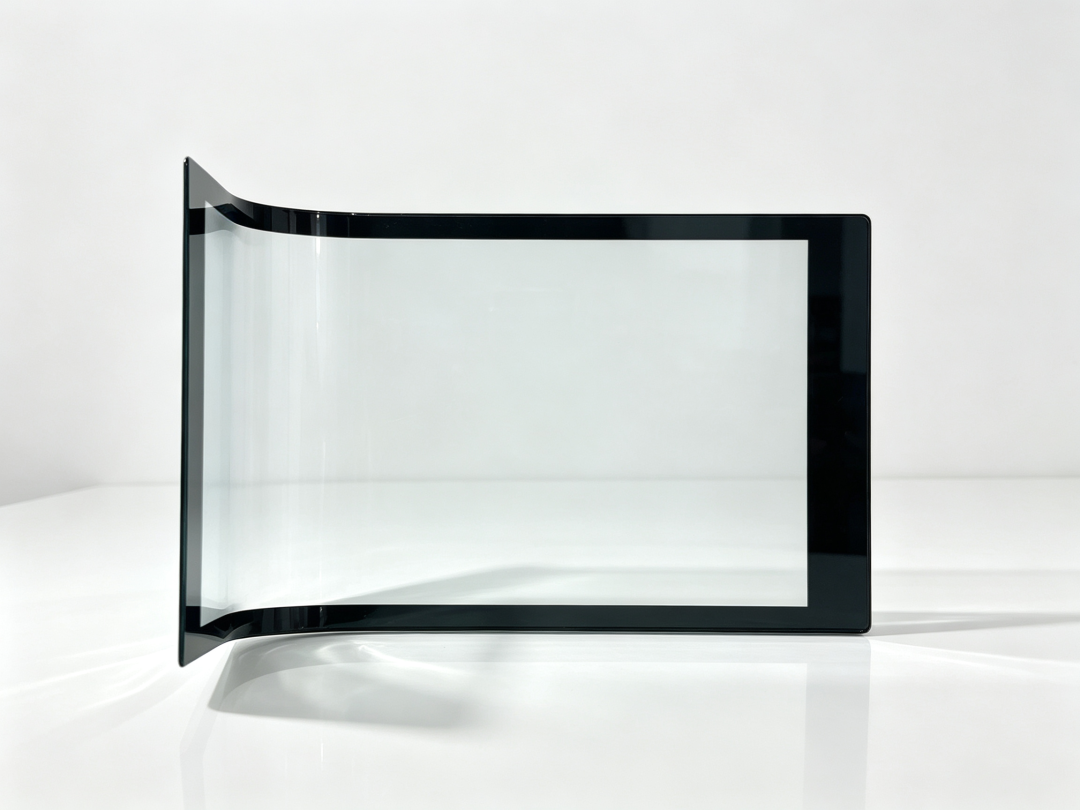
The process successfully forms a 90° right-angle bend and an asymmetric L-shaped 3D structure, allowing the ultra-thin glass to maintain consistent geometry and meet the customer's special enclosure and assembly requirements.
02. Precision Dimensional Control for Reliable Assembly
For L-shaped cover glass, successful hot forming is only one part of the manufacturing process.
After thermal forming, printing, chemical strengthening, and surface treatment, even small dimensional deviations can affect final assembly.
Based on IATF 16949 quality management requirements, DINGTouch applies process control throughout the production workflow, covering raw materials, hot bending, precision printing, surface treatment, strengthening, and final inspection.
Critical dimensions and process parameters are monitored throughout production to establish a closed-loop tolerance control system.
For this project, the final assembly step difference was controlled within 0.1mm, helping achieve a tight and consistent fit while minimizing steps, gaps, and misalignment.
03. ≤15μm Ultra-Thin Precision Printing
Precision printing becomes particularly important when working with ultra-thin 3D glass.
Excessive or uneven ink thickness can affect both appearance and dimensional consistency, potentially influencing subsequent bonding and assembly processes.
For the 0.55mm ultra-thin curved glass, DINGTouch uses a precision lightweight printing process with ink thickness controlled to ≤15μm.
The process is designed to achieve:
- Uniform thin-layer printing
- Reduced ink accumulation
- Minimized bubbles and edge lifting
- Improved dimensional consistency
- Better compatibility with subsequent bonding processes
By controlling the printing layer precisely, DINGTouch helps maintain the original geometry of the ultra-thin glass while meeting the customer's visual requirements.
04. Chemical Strengthening for Improved Ultra-Thin Glass Durability
Reducing glass thickness helps manufacturers achieve thinner and lighter products, but ultra-thin glass also requires careful consideration of impact resistance and mechanical durability.
For this 0.55mm glass application, DINGTouch applies a customized chemical strengthening process according to the project requirements.
The strengthening process improves the mechanical performance of the glass and helps enhance:
- Impact resistance
- Compression resistance
- Resistance to breakage
- Overall product durability
This allows ultra-thin glass to support lightweight product designs while maintaining the reliability required for demanding applications.
05. High-Quality AG Surface Treatment for Improved Optical Performance
Cover glass not only provides structural protection. Its surface characteristics can also directly influence the viewing experience of the finished display.
For this project, DINGTouch integrated AG (Anti-Glare) surface treatment after completing the 3D hot-bending, ultra-thin processing, and precision printing processes.
The AG treatment creates a controlled micro-textured surface that helps diffuse reflected ambient light and reduce distracting reflections.
Depending on the application requirements, AG treatment can help improve:
- Visibility under strong ambient lighting
- Screen reflection control
- Fingerprint visibility
- Long-term viewing comfort
Different AG effects, surface textures, and optical parameters can be customized according to the customer's display and application requirements.
06. From Individual Processes to a Complete Custom Glass Solution
The real challenge of complex cover glass manufacturing is not simply completing one individual process. It is the ability to coordinate multiple processes and achieve repeatable, controllable, and scalable mass production.
DINGTouch evaluates the customer's product structure and application requirements during the early development stage.
Engineering teams can assess and optimize:
- Glass material and thickness
- 3D hot-bending geometry
- Bending radius and angle
- Printing areas
- AG surface requirements
- Chemical strengthening
- Dimensional tolerances
- Final assembly conditions
Through multiple rounds of prototyping, process validation, and parameter optimization, the design requirements can be converted into a stable manufacturing process.
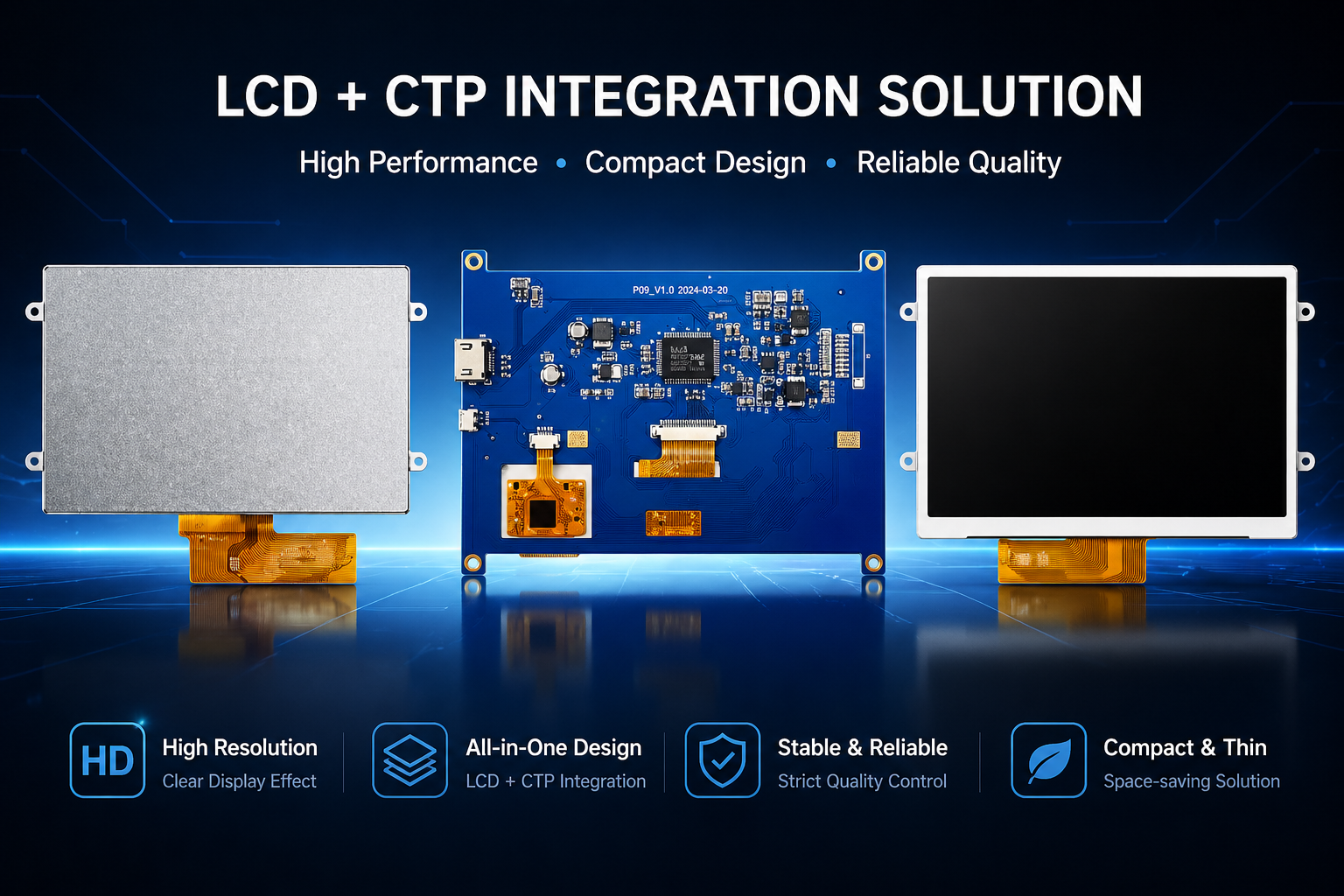
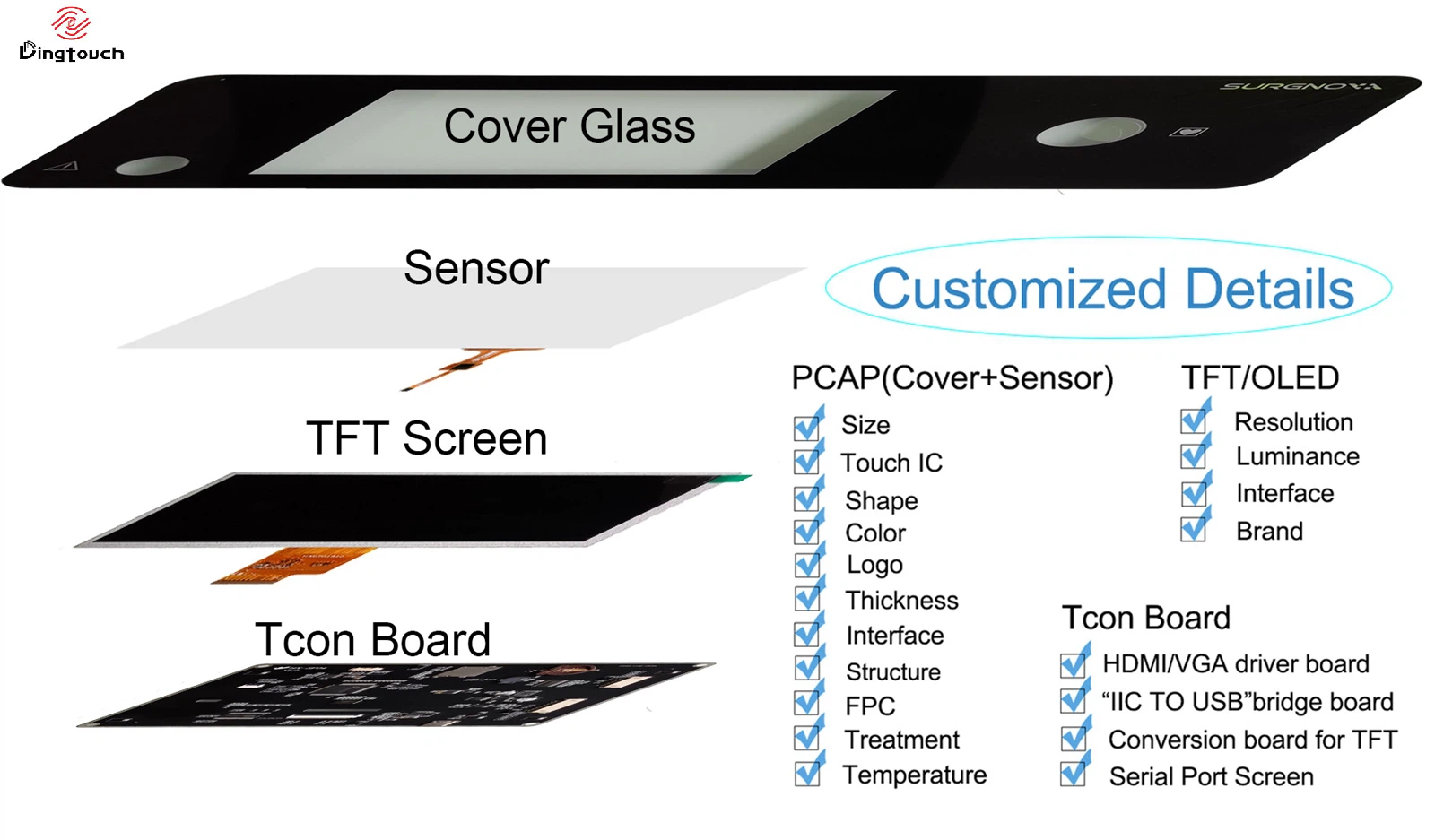
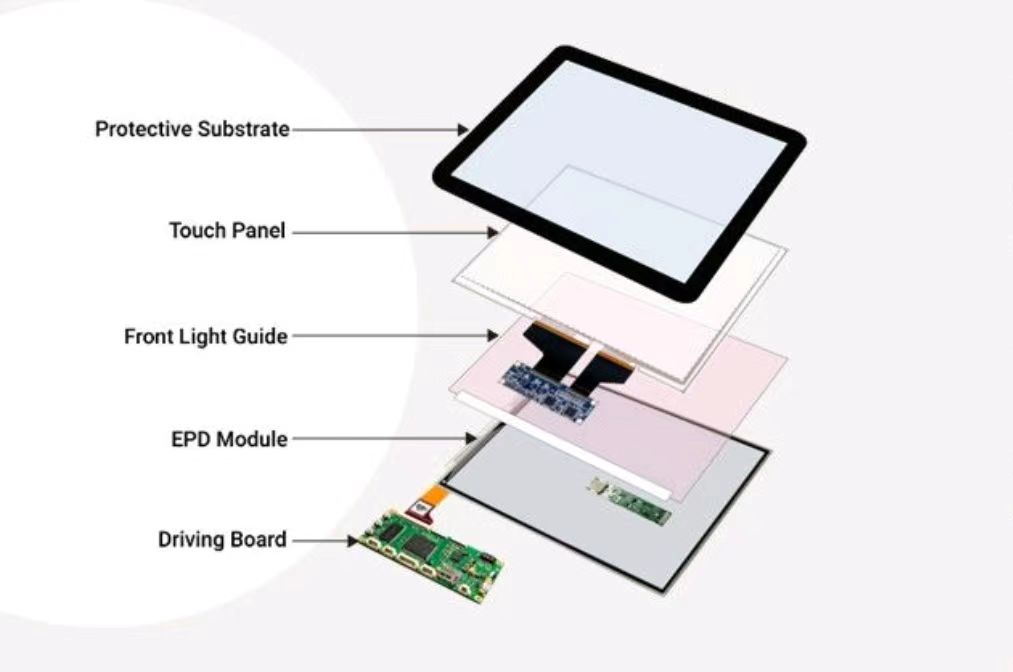
For projects requiring custom cover glass + PCAP touchscreen + display module + optical bonding, DINGTouch can also coordinate the touch and display structure to reduce technical communication between multiple suppliers.
07. IATF 16949-Based Quality Control for Stable Mass Production
For high-end OEM customers, producing a prototype is only the first step.
Long-term cooperation depends on whether the supplier can consistently maintain dimensional accuracy, cosmetic quality, process stability, and product reliability during mass production.
DINGTouch applies IATF 16949-based quality management principles throughout the manufacturing process and establishes process controls for critical production stages.
The overall workflow can include:
Raw Material → 3D Hot Bending → Precision Printing → AG Surface Treatment → Chemical Strengthening → Dimensional Inspection → Cosmetic Inspection → Assembly Validation
This integrated process control approach helps improve consistency and supports stable production for demanding custom glass applications.

DINGTouch: Custom 3D Cover Glass and Touch Display Solutions
The successful mass production of this 0.55mm ultra-thin L-shaped 3D hot-bent cover glass represents more than a single process achievement.
It demonstrates the ability to coordinate material selection, structural design, thermal forming, precision printing, surface treatment, chemical strengthening, dimensional control, and quality management within one customized manufacturing project.
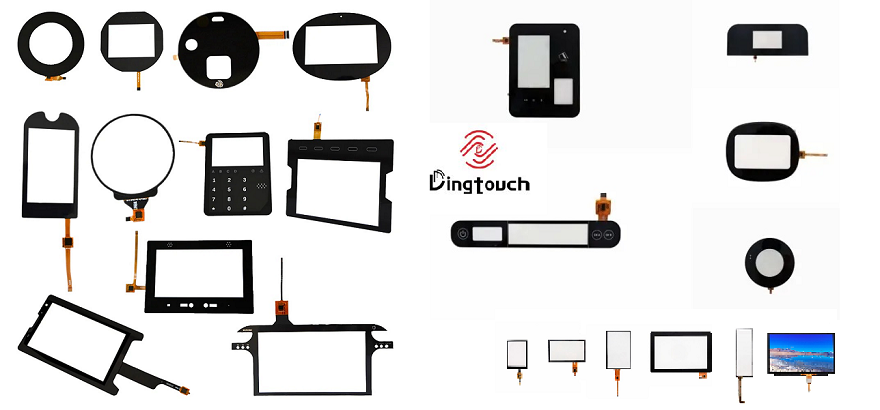
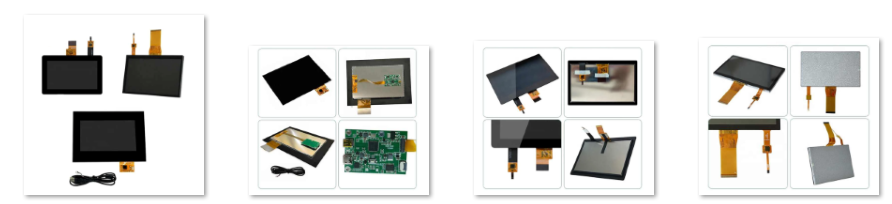
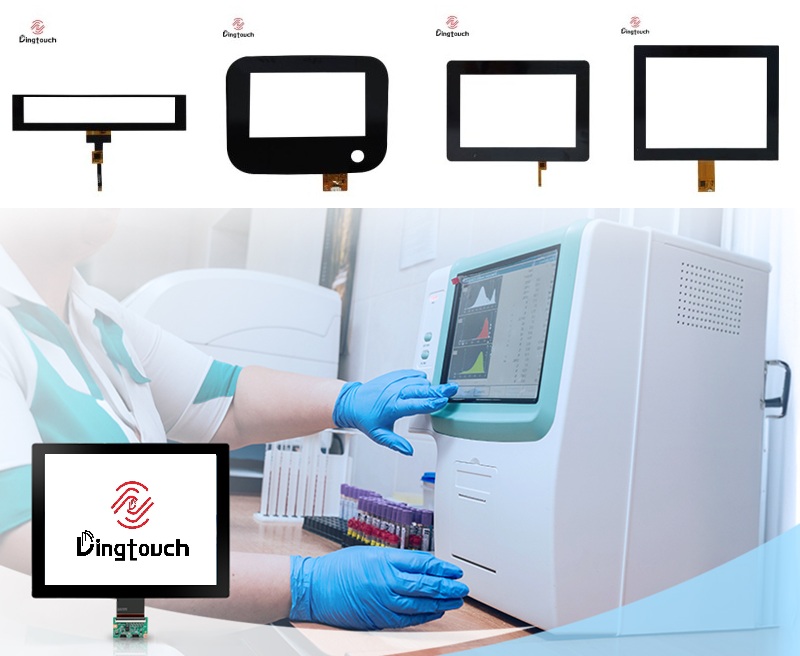
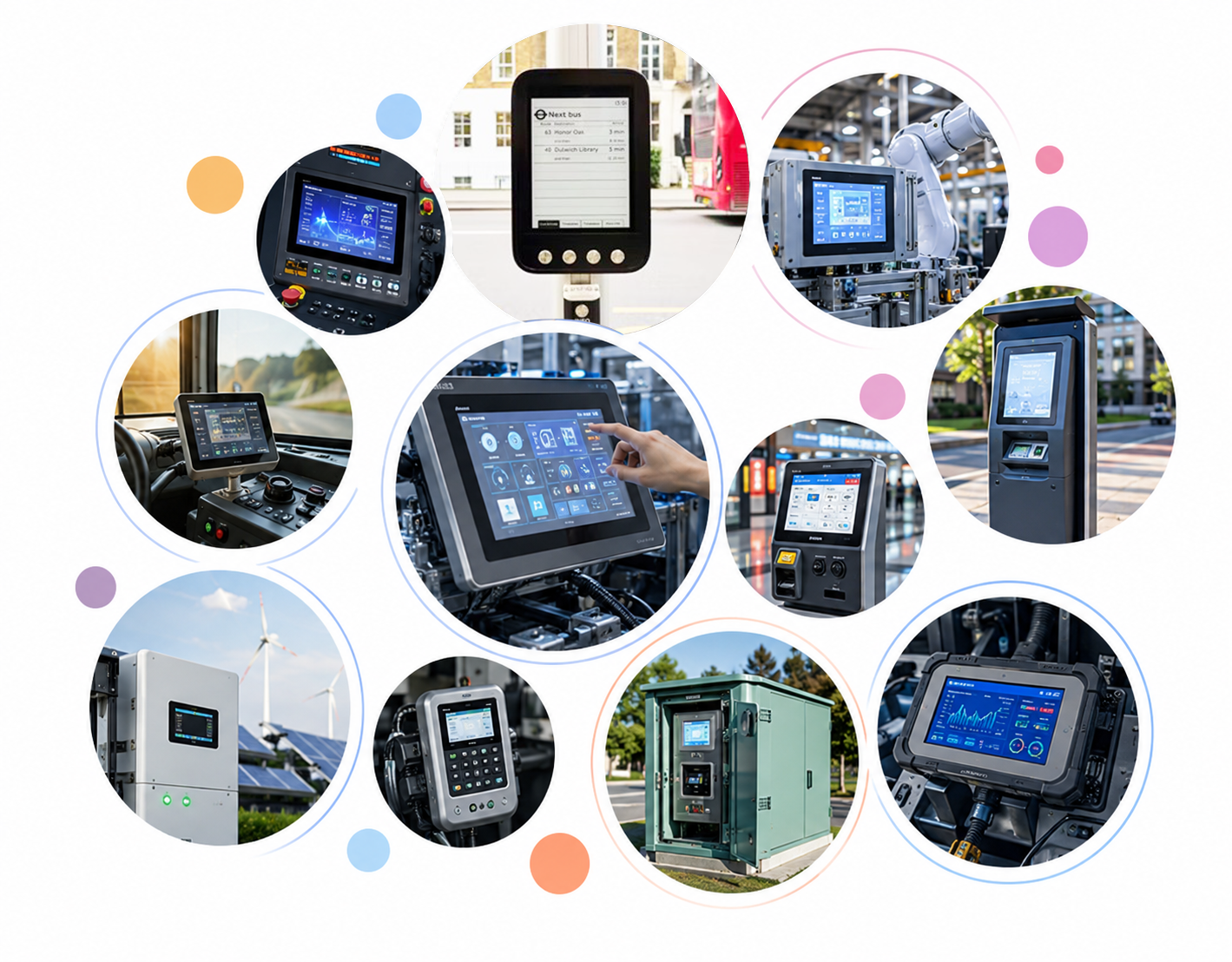
DINGTouch provides customized solutions for industrial equipment, smart terminals, automotive electronics, and other high-end electronic products, covering cover glass, PCAP touchscreens, display modules, and optical bonding.
For applications requiring L-shaped, irregular, ultra-thin, 3D curved, or complex-geometry cover glass, DINGTouch can evaluate the customer's mechanical structure, display requirements, touch requirements, and assembly conditions to develop an appropriate manufacturing solution.
From engineering evaluation and prototype development to process validation and mass production, DINGTouch helps OEM and ODM customers transform complex industrial and product design requirements into stable, manufacturable touch display solutions.
Complex geometry is not simply a manufacturing challenge—it is where advanced customization capabilities create value.
Ready to Build Your Outdoor Display Solution?
Get in touch with us at sales@szdingtouch.com. Our expert engineers will help you design a cost-effective, tailored solution to meet your project’s exact specifications.
DINGTouch:Committed to continuous innovation and improvement of product quality to meet customers' high requirements and expectations.
DINGTouch is a manufacturer that provides high quality touch screen panels. Focus on the design, manufacturing and sales of touch screen panels, and are committed to providing customized solutions that satisfy customers.
DINGTouch: In the process of customizing touch screen panels, we focus on close cooperation and communication with customers. Understanding customers' needs and providing customized solutions will meet customers' individual needs. The company's products are favored by customers for their high quality and reliability, and provide them with the best touchscreen panel solutions.
DINGTouch:Committed to continuous innovation and improvement of product quality to meet customers' high requirements and expectations.
DINGTouch is a manufacturer that provides high quality touch screen panels. Focus on the design, manufacturing and sales of touch screen panels, and are committed to providing customized solutions that satisfy customers.
DINGTouch: In the process of customizing touch screen panels, we focus on close cooperation and communication with customers. Understanding customers' needs and providing customized solutions will meet customers' individual needs. The company's products are favored by customers for their high quality and reliability, and provide them with the best touchscreen panel solutions.
At DINGTOUCH, we are the world's leading touchscreen manufacturer, helping businesses around the world take advantage of this exciting technology. For more information, please visit the home page now.

DINGTouch is a company specializing in the R&D and production of touch screen technology, headquartered in Shenzhen, China. As a professional touch screen supplier, DINGTouch is committed to providing high-quality, stable and reliable touch screen products to meet the diverse needs of customers. We continue to carry out technological innovation and product optimization to ensure that its touch screen products have good sensitivity, accuracy and durability.
In addition to the products themselves, we also focus on cooperation and communication with customers, and are committed to providing customized solutions and excellent after-sales services. Through continuous efforts to improve product quality and customer satisfaction, we have established a good reputation in the touchscreen industry and won widespread market recognition.
In addition to the products themselves, we also focus on cooperation and communication with customers, and are committed to providing customized solutions and excellent after-sales services. Through continuous efforts to improve product quality and customer satisfaction, we have established a good reputation in the touchscreen industry and won widespread market recognition.
What DINGTOUCH can do:
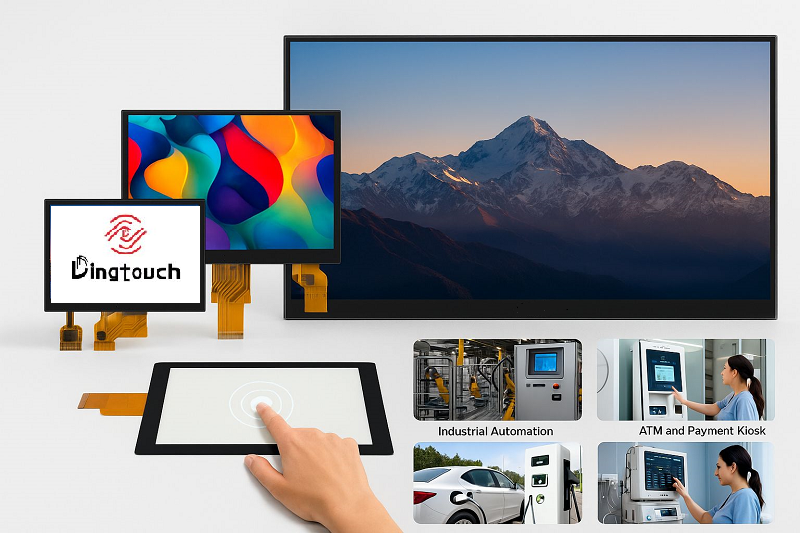
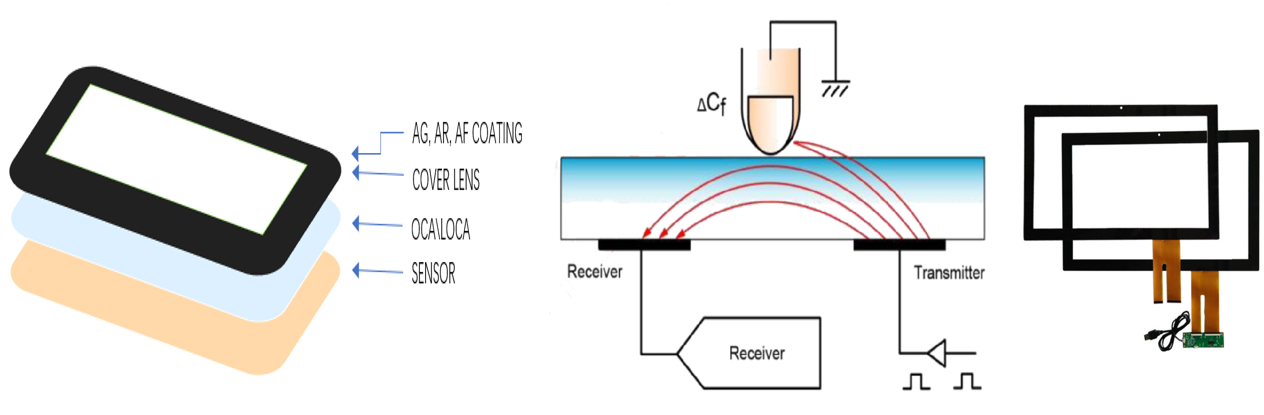
• PCAP maximum size 65”
• Multi-touch (Touch screen can be customized to your needs.)
• Optical bonding service/air bonding
• LCD interface: HDMI/RGB/MIPI/LVDS/EDP, etc.
• PCAP interface: IIC/USB interface
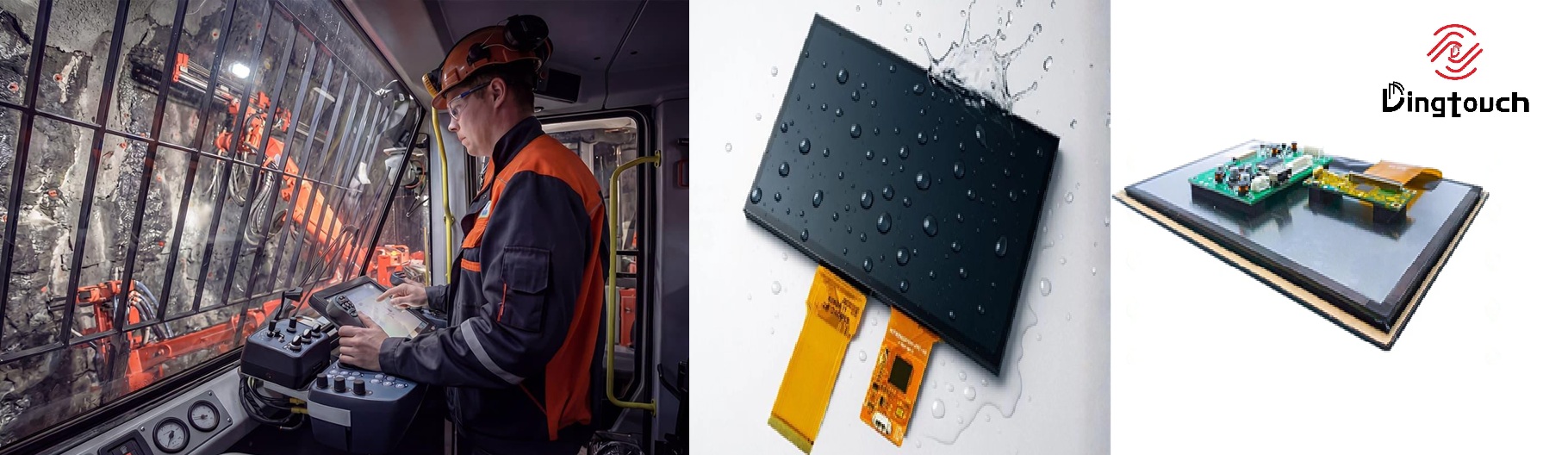
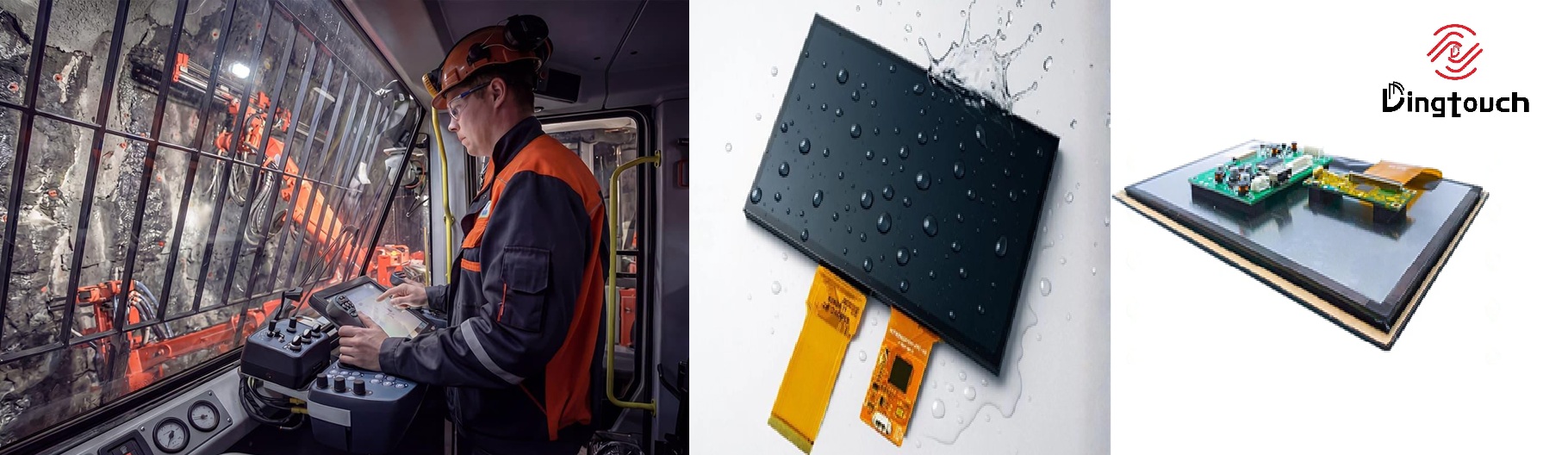
• CTP can customize the cover glass surface treatment process AG (anti-glare), AR (anti-reflection), AF (anti-fingerprint), waterproof, and glove touch
• Supports 0.55 mm-12 mm coverslip touch.
• Support operating temperature: -40℃-90℃.
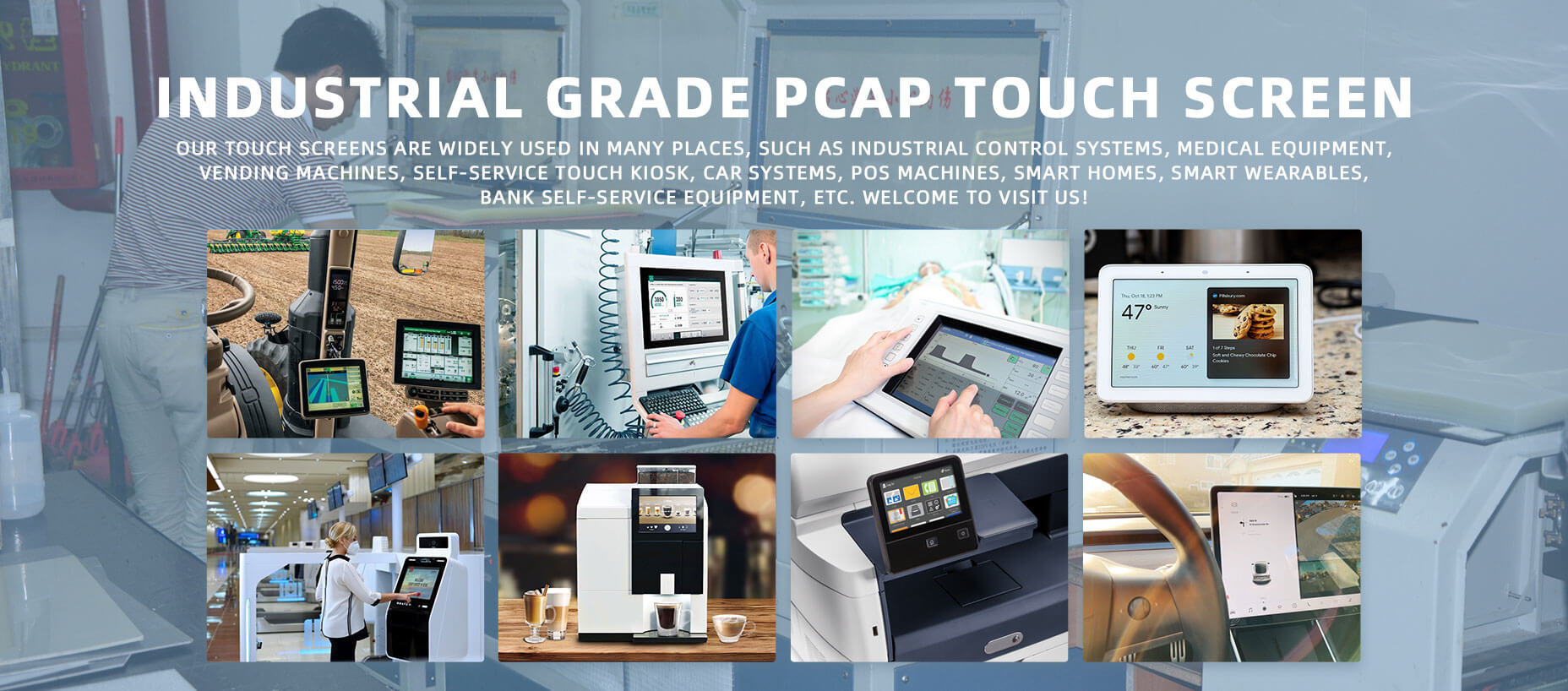
Dingtouch Industrial capacitive touch screen Manufacturer
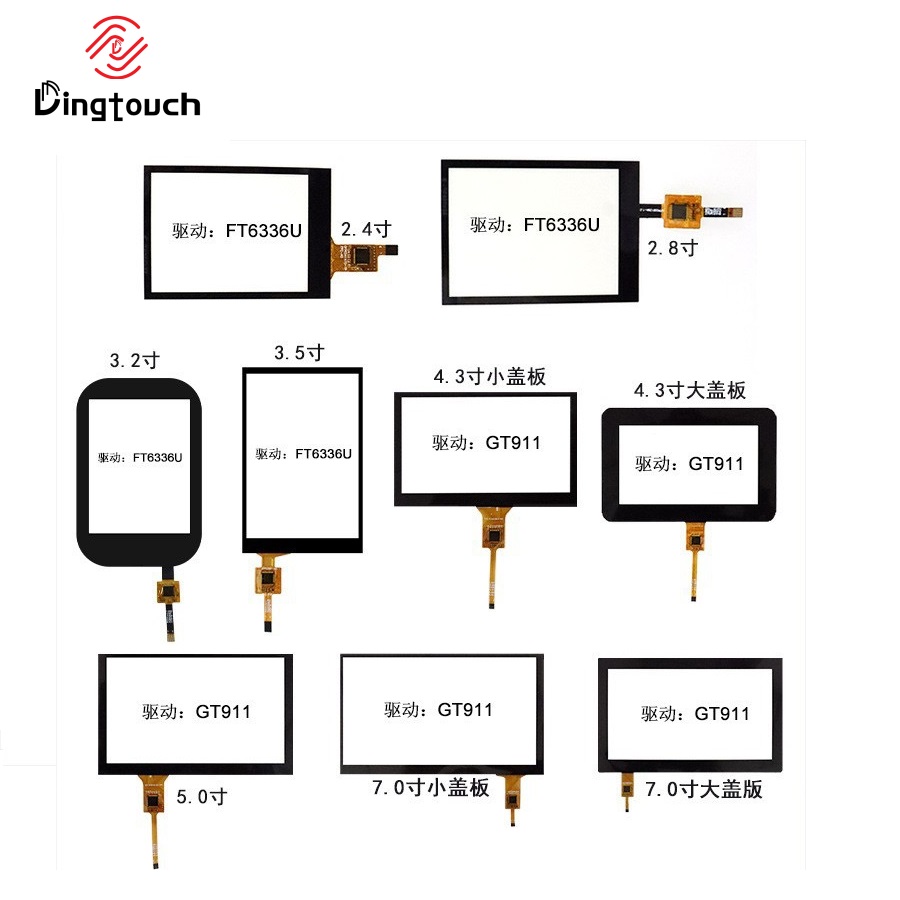
In conclusion, Dingtouch as a professional touch screen manufacturer with more than 10 years touch screen experience.We have many capacitive touch screen . Such as 5 inch touch screen,7 inch touch screen,10.1inch touch screen,15 inch touch screen,15.6 inch touch screen,17 inch touch screen,18.5 inch touch screen,19 inch touch screen,21.5 inch touch screen,32 inch touch screen, However, we also welcome to customize your own touch screen . Contact our team today to learn what capacitive touch screen are best for our retail business needs.
Contact us NOW! sales@szdingtouch.com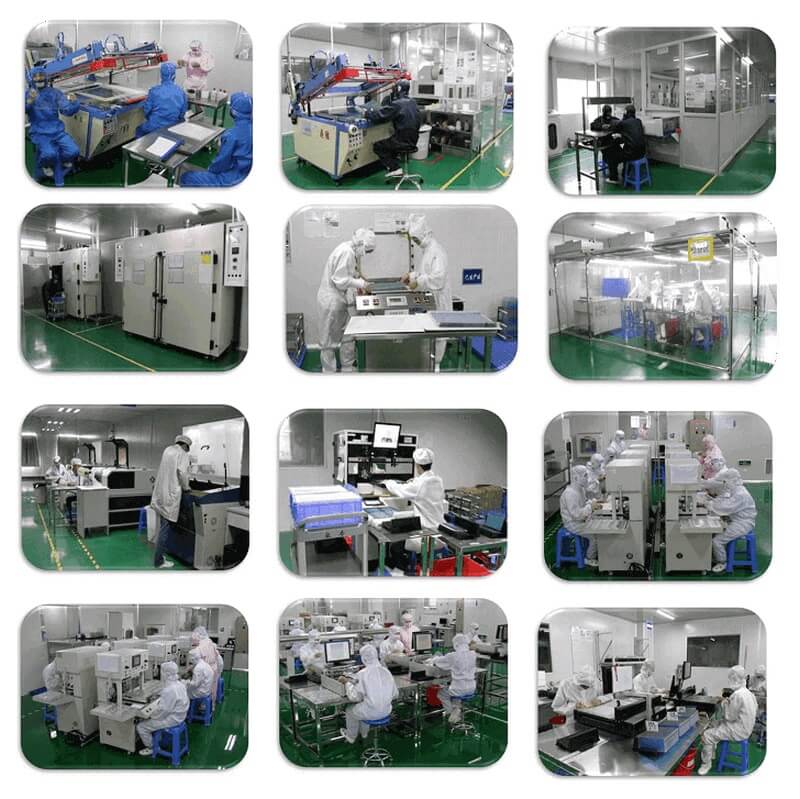
#Medicaltouchscreencalibration, #capacitivetouchcalibrationguide, #IEC60601touchscreen, #DINGTouchmedicaldisplay, #touchscreenaccuracy, #touchscreen driftfix, #medicalequipmenttouchsolutions, #IP65touchpanel, #IK10medicaltouchscreen, #glove touch medical monitor,#ILITEKTouchControllerICSelectionGuide ,#OCAtoOCR #GT911,#CustomizedWideTemperatureTouchScreenSolutions,#Waterproof Touchscreen,
#highbrightnessLCD, #sunlightreadabledisplay,#industrialLCDbacklight, #outdoor displaymodule, #customLCDsolution, #1000–2000nitsdisplay, #DINGTouchtouchscreen.
#capacitivetouchscreen, #EMI/EMCoptimization, #anti-interferencetechnology, #DINGTouch,#customtouchscreensolutions, #industrialtouchdisplay, #medicaltouch screen, #5Gtouchscreen, #AIanti-interferencealgorithm, #smarttouchdisplay,
#10_4InchDisplay #1024x768Display #MIPIDisplay #IndustrialDisplay #HighBrightnessDisplay #WideTemperatureDisplay #PCAPTouchScreen #TouchDisplay #EmbeddedDisplay #IndustrialHMI #OutdoorDisplay #HandheldDevice #SmartTerminal #DINGTouch
DINGTouch — Custom Touch Display Solutions Expert
Every touch, clear and precise, ready for any environment.
#10_4InchDisplay #1024x768Display #MIPIDisplay #IndustrialDisplay #HighBrightnessDisplay #WideTemperatureDisplay #PCAPTouchScreen #TouchDisplay #EmbeddedDisplay #IndustrialHMI #OutdoorDisplay #HandheldDevice #SmartTerminal #DINGTouch
Every touch, clear and precise, ready for any environment.
CATEGORIES
CONTACT US
Contact: Dingtouch
Phone: +8615815536116
Tel: +8615815536116
Email: sales@szdingtouch.com
Add: Building A, Bailu Plaza, No. 48, Gonghe Industrial Road, Gongle Community, Xixiang Street, Baoan District, Shenzhen,China. 518126
 Dingtouch