News
IK10 vs ATEX Displays: Impact Resistance & Explosion Safety
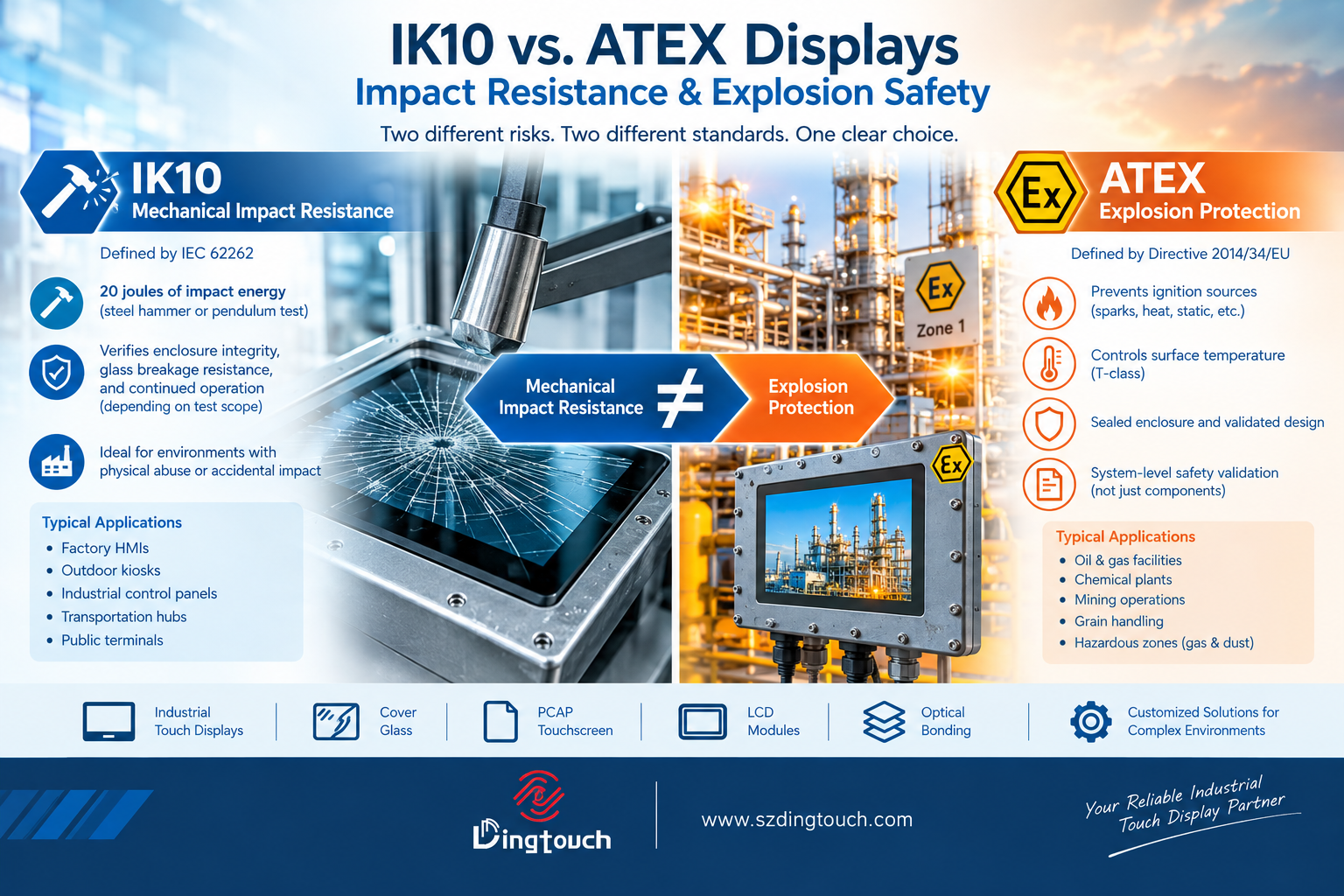
IK10 vs. ATEX Displays: Key Differences in Impact Resistance and Explosion Safety
Introduction: Do You Really Need an IK10 and ATEX-Rated Display?
In industrial equipment, outdoor terminals, and hazardous-area applications, buyers sometimes request an “IK10 ATEX display” as a single specification.
Although these requirements may appear related, they address two fundamentally different safety concerns.
-
IK10 specifies a level of protection against mechanical impact.
-
ATEX addresses equipment safety in potentially explosive atmospheres, where electrical, thermal, or other ignition sources must be controlled.
For OEM manufacturers, system integrators, and engineering teams, understanding this distinction is essential for selecting the right industrial touch display, controlling development costs, and avoiding unnecessary certification work.
At DINGTouch, we support customized industrial touch display projects involving cover glass, projected capacitive (PCAP) touchscreens, LCD modules, and optical bonding. Understanding the actual operating environment is an important first step toward defining the appropriate display structure and validation requirements.
1. What Is an IK10 Display? Understanding Mechanical Impact Resistance
The IK rating system, defined by IEC 62262, classifies the degree of protection provided by an enclosure against external mechanical impacts.
An IK10 rating corresponds to an impact energy of 20 joules under the applicable test conditions.
However, an IK rating should not automatically be interpreted as proof that every internal component will remain fully functional after every impact scenario. The test specimen, impact locations, mounting conditions, and acceptance criteria all matter.
1.1 What Does IK10 Testing Evaluate?
Depending on the applicable test specification and product acceptance criteria, the evaluation may consider:
-
Mechanical integrity of the tested enclosure or assembly
-
Damage to the cover glass and surrounding structure
-
Deformation or damage that could compromise the intended protection
-
Compliance with specified post-impact acceptance criteria
For industrial touch displays, OEM buyers should distinguish between passing the enclosure's IK test and demonstrating that the display and touch functions continue to operate correctly after impact.
If post-impact functionality is a project requirement, it should be explicitly included in the validation plan.
1.2 Where Are IK10 Industrial Touch Displays Used?
IK10-rated displays may be suitable for applications where accidental impacts, deliberate vandalism, or physical abuse are foreseeable, including:
-
Industrial human-machine interfaces (HMIs)
-
Factory automation and machine control panels
-
Outdoor self-service kiosks
-
Public information terminals
-
Transportation equipment
-
Commercial and industrial control systems
The appropriate rating depends on the actual risk assessment and the requirements of the finished equipment.
1.3 How Is IK10 Impact Resistance Achieved?
An impact-resistant touch display typically requires coordinated mechanical and optical design rather than simply using thicker glass.
Potential design measures include:
-
Reinforced cover glass: Carefully selected glass thickness, tempering, and geometry
-
Laminated glass structures: Multiple layers designed to improve impact behavior and retain fragments where appropriate
-
Mechanical reinforcement: Adequate housing stiffness, mounting support, and protection around the display opening
-
Optimized bonding: Optical bonding or other suitable bonding methods to improve integration between the cover glass, touch sensor, and LCD
-
Validated assembly design: Evaluation of the complete mounting structure and relevant impact locations
The final result depends on the entire assembly, including glass dimensions, edge support, housing design, adhesive properties, and installation conditions.
Important: IK10 addresses mechanical impact resistance. It does not establish explosion protection, electrical safety, or acceptable surface temperatures in hazardous atmospheres.

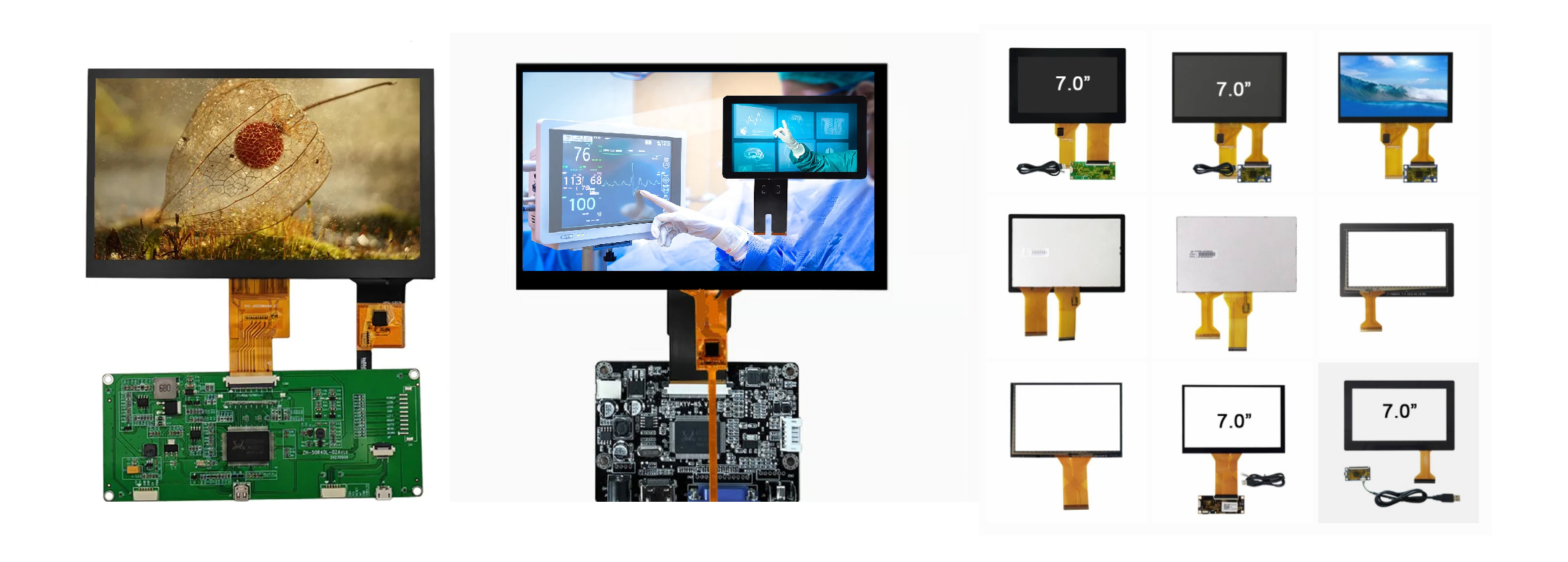
2. What Is an ATEX Display? Understanding Explosion Protection
ATEX refers to the European regulatory framework for equipment and protective systems intended for use in potentially explosive atmospheres.
Directive 2014/34/EU addresses equipment and protective systems intended for use in such environments. Applicable conformity assessment depends on the equipment category, protection concept, intended application, and relevant requirements.
Unlike IK10, ATEX is not an impact-resistance rating. It concerns the prevention of ignition under specified hazardous conditions.
2.1 What Risks Must ATEX Equipment Address?
Depending on the protection concept and intended application, the assessment may consider:
-
Electrical sparks and arcs
-
Excessive surface temperatures
-
Electrostatic discharge
-
Ignition-capable faults and energy sources
-
Ingress of combustible dust or other environmental factors relevant to the protection concept
-
The suitability of enclosure construction, interfaces, and installation arrangements
The objective is to prevent the equipment from becoming an ignition source under the conditions covered by its intended use and certification.
2.2 Where Are ATEX Displays Required?
Displays may be integrated into equipment used in potentially explosive atmospheres, such as:
-
Oil and gas processing facilities
-
Petrochemical and chemical plants
-
Mining and mineral-processing operations
-
Grain handling and agricultural processing facilities
-
Industrial environments involving combustible dust
-
Other classified hazardous areas
Whether an ATEX-compliant display assembly is required depends on the installation, hazardous-area classification, and the applicable equipment requirements.
An ordinary industrial touchscreen should not be assumed suitable for these environments simply because it has a sealed front surface or a high IP rating.
2.3 What Determines ATEX Suitability?
ATEX suitability is determined by the equipment's intended use and applicable conformity assessment, not by a single material or component upgrade.
Relevant considerations may include:
-
Equipment group and category: Appropriate for the intended application
-
Hazardous-area classification: Including the relevant gas or dust zone, where applicable
-
Temperature requirements: Maximum permitted surface temperature and the applicable temperature classification
-
Ignition protection concept: Appropriate electrical, thermal, mechanical, and enclosure design measures
-
Electrostatic properties: Including the cover materials and exposed surfaces where relevant
-
Enclosure and interface design: Including connectors, seals, mounting interfaces, and cable entries
-
Conformity documentation: Applicable assessment, marking, instructions, and technical documentation
For example, gas and dust applications have different classification considerations. Equipment suitable for one hazardous zone or protection condition is not automatically suitable for another.
Important: ATEX compliance must be established for the relevant equipment or assembly and its intended configuration. A touchscreen, LCD module, or controller that meets selected component requirements does not, by itself, make the finished display system ATEX-compliant.
3. IK10 vs. ATEX: Key Differences at a Glance
| Comparison | IK10 | ATEX |
|---|---|---|
| Primary objective | Mechanical impact resistance | Prevention of ignition in explosive atmospheres |
| Main reference | IEC 62262 | Directive 2014/34/EU and applicable standards |
| Main concern | Impact energy and mechanical damage | Ignition risks and hazardous-area suitability |
| Typical applications | Industrial panels, kiosks, exposed terminals | Equipment intended for classified hazardous areas |
| Evaluates explosion protection? | No | Yes, within the applicable assessment scope |
| Evaluates impact resistance? | Yes, within the IK test scope | Not inherently |
| Can it replace the other? | No | No |
The central distinction is straightforward: IK10 protects against a defined mechanical impact challenge, while ATEX addresses equipment suitability for potentially explosive atmospheres.
Neither rating can substitute for the other.
4. Can an Industrial Touch Display Be Both IK10 and ATEX-Compliant?
Yes, a display assembly may be designed to address both impact resistance and explosion protection. However, achieving one requirement does not automatically satisfy the other.
The feasibility depends on the intended hazardous environment, protection concept, mechanical construction, electrical architecture, and conformity assessment requirements.
4.1 Mechanical Design Must Support Both Requirements
An IK10-oriented design may use reinforced glass, a robust mounting structure, and a rigid enclosure.
For equipment intended for hazardous areas, these choices must also be evaluated against the applicable explosion-protection requirements. For example, changes to glass thickness, seals, bonding materials, exposed surfaces, or enclosure geometry may affect the overall design assessment.
A mechanically stronger front panel is not necessarily a safer explosion-protected assembly.
4.2 Electrical and Thermal Design Must Be Evaluated
An ATEX-oriented design may require controls over electrical energy, component temperatures, electrostatic risks, and fault conditions.
Adding a higher-brightness LCD, a more powerful backlight, a different touch controller, or additional interface circuitry may change the thermal or electrical characteristics of the assembly.
Such changes should be assessed against the applicable design and certification requirements rather than assumed acceptable.
4.3 The Finished Configuration Matters
A display solution may include several integrated elements:
-
Cover glass and PCAP touch sensor
-
LCD module and backlight
-
Touch controller and interface electronics
-
Bonding materials and structural supports
-
Enclosure, connectors, and cable interfaces
The required assessment scope depends on how these elements are integrated and the equipment's conformity route.
For an OEM project, the most reliable approach is to define the intended configuration early and confirm which entity is responsible for the final equipment conformity assessment.
4.4 Why Can Dual Requirements Increase Project Cost and Lead Time?
When both requirements apply, the project may need additional engineering, testing, documentation, and certification work.
Potential cost and schedule drivers include:
-
Reinforced mechanical construction
-
Specialized materials and enclosure design
-
Electrical and thermal design changes
-
Additional test iterations
-
Documentation and conformity assessment
-
Design-change control and production consistency
The actual impact depends on the product architecture and the applicable assessment requirements. It is therefore preferable to confirm the need for each requirement before committing to a design.
5. How to Specify the Right Display: A Practical OEM Checklist
Before requesting an IK10 or ATEX display quotation, OEM buyers should define the operating environment and the intended function of the finished equipment.
Step 1: Identify the Primary Risk
Ask the project team:
-
Is the main concern impact, vandalism, or accidental damage?
-
Will the equipment operate in a classified hazardous area?
-
Are both requirements necessary?
-
Are there additional requirements for water ingress, dust, temperature, vibration, or EMC?
These questions help separate mechanical protection requirements from hazardous-area compliance requirements.
Step 2: Define the Installation Environment
Provide the display supplier with the relevant application details, such as:
-
Indoor or outdoor installation
-
Gas or combustible-dust hazards, if applicable
-
Hazardous-zone classification and equipment requirements
-
Operating temperature range
-
Expected impact conditions
-
Required brightness and viewing conditions
-
Mounting method and available installation space
The more clearly the environment is defined, the easier it is to evaluate the appropriate display architecture.
Step 3: Specify the Required Validation Evidence
For an IK10-oriented display, confirm:
-
The tested specimen and mounting configuration
-
The applicable test standard and report
-
The test locations and acceptance criteria
-
Whether post-impact display and touch functionality must be demonstrated
For an ATEX-related project, confirm:
-
The applicable equipment category and intended hazardous area
-
The relevant protection concept and temperature requirements
-
The equipment configuration covered by the conformity documentation
-
The responsibilities for final equipment assessment and installation
Request appropriate reports and documentation rather than relying solely on a product description or marketing statement.
Step 4: Confirm the Display's Optical and Touch Requirements
Mechanical reinforcement and hazardous-area design constraints can affect the user interface.
Depending on the project, confirm:
-
Display size and resolution
-
Brightness and sunlight readability
-
Cover glass thickness and surface treatment
-
Touch performance through the selected cover structure
-
Optical bonding requirements
-
Glove operation and wet-touch behavior, if required
-
Interface compatibility and controller integration
These specifications should be assessed alongside the mechanical and safety requirements, not after the design has already been finalized.
6. DINGTouch Industrial Touch Display Customization for OEM Projects
DINGTouch develops and manufactures customized industrial touch display solutions for OEM and ODM applications.
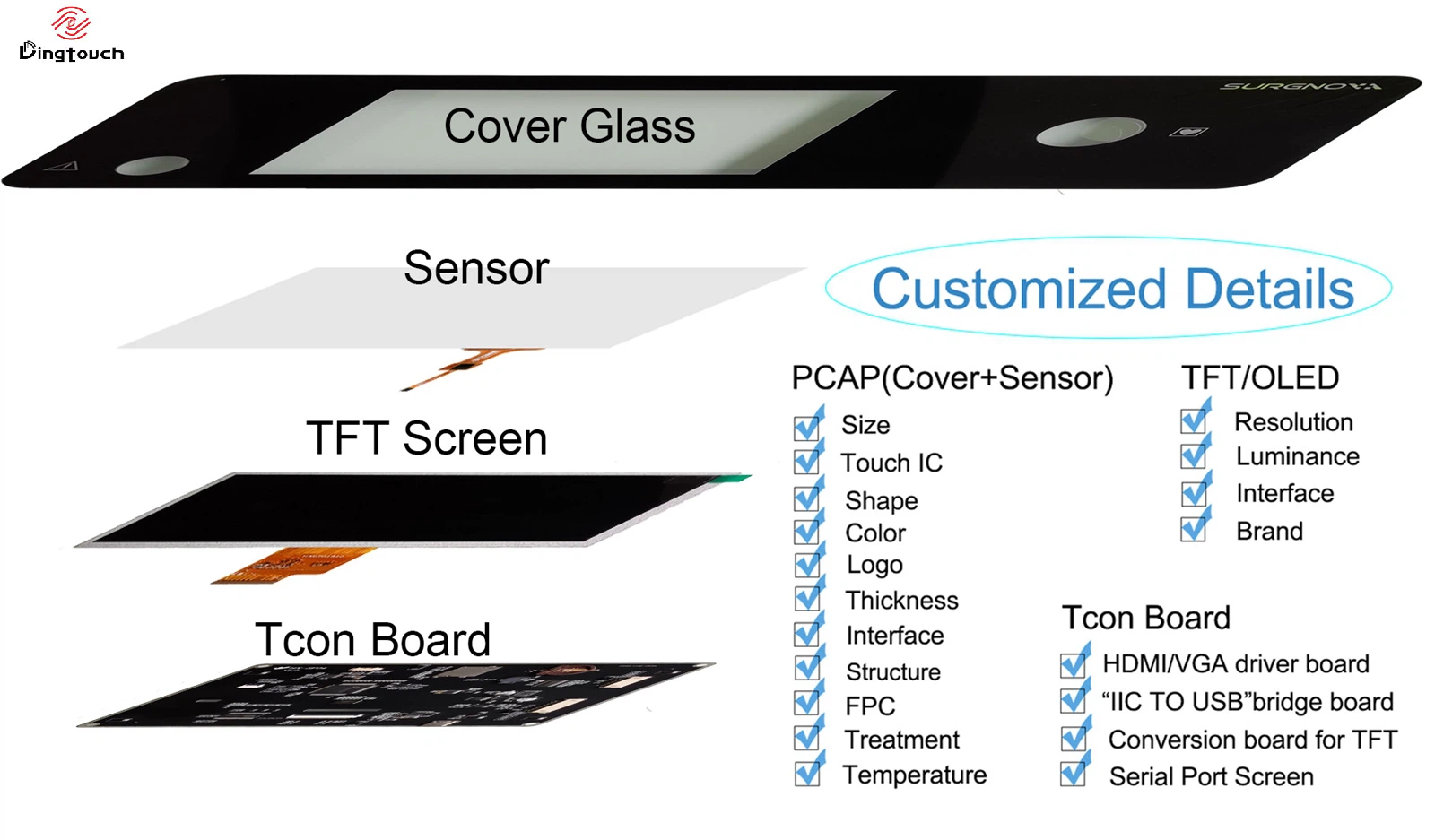
Our capabilities cover LCD modules, projected capacitive touchscreens, cover glass, and optical bonding, supporting projects that require coordinated mechanical, optical, and touch-performance design.
Depending on project requirements, customization may include:
-
Cover glass design: Customized dimensions, thickness, shape, and surface treatments
-
PCAP touchscreen integration: Touch sensor and controller selection based on the application
-
Optical bonding: Integration of the cover glass, touch sensor, and LCD to address optical and structural requirements
-
High-brightness display configurations: Options for outdoor and high-ambient-light applications
-
Environmental and mechanical design: Support for evaluating temperature, ingress protection, impact resistance, and other project-specific requirements
-
OEM engineering support: Review of drawings, interface requirements, mechanical constraints, and validation plans
For projects involving IK10, ATEX, or both, DINGTouch can help customers review display construction and identify relevant engineering questions during the early design stage.
However, customized display construction does not itself establish IK10 test compliance or ATEX conformity. Any required rating or certification must be supported by the applicable testing, documentation, and assessment of the relevant product configuration.
To evaluate a project efficiently, customers should provide the display size, resolution, brightness, touch requirements, operating environment, and the specific standard or certification requirements.
Visit DINGTouch to learn more about our industrial touch display and customized PCAP solutions.
7. Conclusion: Specify the Risk Before Selecting the Rating
IK10 and ATEX address different engineering challenges and should be treated as separate requirements during display selection.
-
Choose IK10 when defined mechanical impact resistance is required.
-
Evaluate ATEX requirements when the equipment is intended for use in a potentially explosive atmosphere.
-
Specify both when the application genuinely requires both, and validate the finished configuration accordingly.
For OEM and system integrators, defining the real operating environment, required performance, and conformity responsibilities early can reduce unnecessary redesign, avoid inappropriate specifications, and improve project planning.
The best industrial display is not necessarily the one with the longest list of ratings. It is the one whose verified performance and documented compliance match the actual application.
Frequently Asked Questions
Q1. Does IK10 guarantee that a touchscreen will still work after impact?
Not automatically. IK10 defines a mechanical impact classification for the tested enclosure or assembly. Whether the display and touch functions remain operational depends on the test scope and acceptance criteria. If continued operation is required, request explicit post-impact functional validation.
Q2. Can an ATEX-compliant display be installed in any hazardous area?
No. The equipment must be suitable for the intended hazardous-area classification, equipment category, protection concept, temperature requirements, and installation conditions. Compliance for one application does not automatically establish suitability for every hazardous area.
Q3. Is ATEX compliance determined by the touchscreen component or the complete display system?
The applicable conformity assessment depends on the equipment and its intended configuration. A compliant individual component does not automatically establish conformity of the finished equipment. Buyers should confirm the assessment scope and the responsibilities of the equipment manufacturer or system integrator.
Q4. Does thicker cover glass automatically make a display IK10-rated?
No. Glass thickness is only one design factor. Glass type, dimensions, edge support, housing stiffness, mounting, and the complete test configuration also matter. An IK10 claim should be supported by appropriate test evidence.
Q5. Can optical bonding improve the impact resistance of an industrial touch display?
Optical bonding can improve integration between the cover glass, touch sensor, and LCD and may contribute to the mechanical behavior of the assembly. However, its effect depends on the materials and construction. Optical bonding alone does not guarantee IK10 compliance.
Q6. What is the difference between IK10, IP65, and ATEX?
IK10 addresses mechanical impact resistance. IP65 addresses protection against dust ingress and water jets under the applicable test conditions. ATEX concerns equipment intended for potentially explosive atmospheres. These requirements address different risks and are not interchangeable.
Q7. What should OEM buyers request when evaluating an IK10 or ATEX display?
For IK10, request the relevant test report, tested configuration, mounting conditions, and acceptance criteria. For ATEX, request the applicable conformity documentation, intended-use limitations, equipment classification, and relevant instructions. Confirm that the evidence covers the actual configuration being purchased and installed.
Ready to Build Your Outdoor Display Solution?
Get in touch with us at sales@szdingtouch.com. Our expert engineers will help you design a cost-effective, tailored solution to meet your project’s exact specifications.
DINGTouch:Committed to continuous innovation and improvement of product quality to meet customers' high requirements and expectations.
DINGTouch is a manufacturer that provides high quality touch screen panels. Focus on the design, manufacturing and sales of touch screen panels, and are committed to providing customized solutions that satisfy customers.
DINGTouch: In the process of customizing touch screen panels, we focus on close cooperation and communication with customers. Understanding customers' needs and providing customized solutions will meet customers' individual needs. The company's products are favored by customers for their high quality and reliability, and provide them with the best touchscreen panel solutions.
DINGTouch is a company specializing in the R&D and production of touch screen technology, headquartered in Shenzhen, China. As a professional touch screen supplier, DINGTouch is committed to providing high-quality, stable and reliable touch screen products to meet the diverse needs of customers. We continue to carry out technological innovation and product optimization to ensure that its touch screen products have good sensitivity, accuracy and durability.
In addition to the products themselves, we also focus on cooperation and communication with customers, and are committed to providing customized solutions and excellent after-sales services. Through continuous efforts to improve product quality and customer satisfaction, we have established a good reputation in the touchscreen industry and won widespread market recognition.
• PCAP maximum size 65”
• Multi-touch (Touch screen can be customized to your needs.)
• Optical bonding service/air bonding
• LCD interface: HDMI/RGB/MIPI/LVDS/EDP, etc.
• PCAP interface: IIC/USB interface
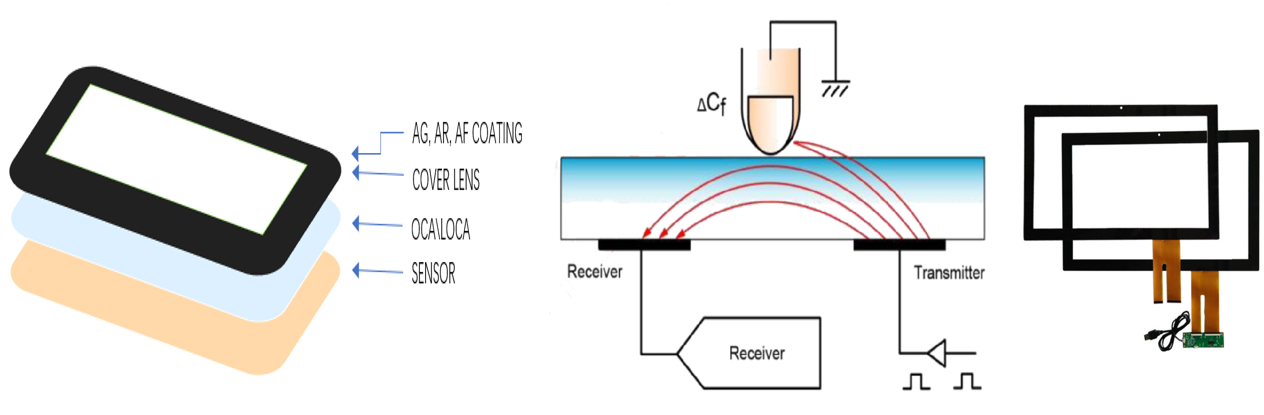
• CTP can customize the cover glass surface treatment process AG (anti-glare), AR (anti-reflection), AF (anti-fingerprint), waterproof, and glove touch
• Supports 0.55 mm-12 mm coverslip touch.
• Support operating temperature: -40℃-90℃.
In conclusion, Dingtouch as a professional touch screen manufacturer with more than 10 years touch screen experience.We have many capacitive touch screen . Such as 5 inch touch screen,7 inch touch screen,10.1inch touch screen,15 inch touch screen,15.6 inch touch screen,17 inch touch screen,18.5 inch touch screen,19 inch touch screen,21.5 inch touch screen,32 inch touch screen, However, we also welcome to customize your own touch screen . Contact our team today to learn what capacitive touch screen are best for our retail business needs.
Contact us NOW! sales@szdingtouch.com
#Medicaltouchscreencalibration, #capacitivetouchcalibrationguide, #IEC60601touchscreen, #DINGTouchmedicaldisplay, #touchscreenaccuracy, #touchscreen driftfix, #medicalequipmenttouchsolutions, #IP65touchpanel, #IK10medicaltouchscreen, #glove touch medical monitor,#ILITEKTouchControllerICSelectionGuide ,#OCAtoOCR #GT911,#CustomizedWideTemperatureTouchScreenSolutions,#Waterproof Touchscreen,
#highbrightnessLCD, #sunlightreadabledisplay,#industrialLCDbacklight, #outdoor displaymodule, #customLCDsolution, #1000–2000nitsdisplay, #DINGTouchtouchscreen.
#capacitivetouchscreen, #EMI/EMCoptimization, #anti-interferencetechnology, #DINGTouch,#customtouchscreensolutions, #industrialtouchdisplay, #medicaltouch screen, #5Gtouchscreen, #AIanti-interferencealgorithm, #smarttouchdisplay,
DINGTouch — Custom Touch Display Solutions Expert
Every touch, clear and precise, ready for any environment.
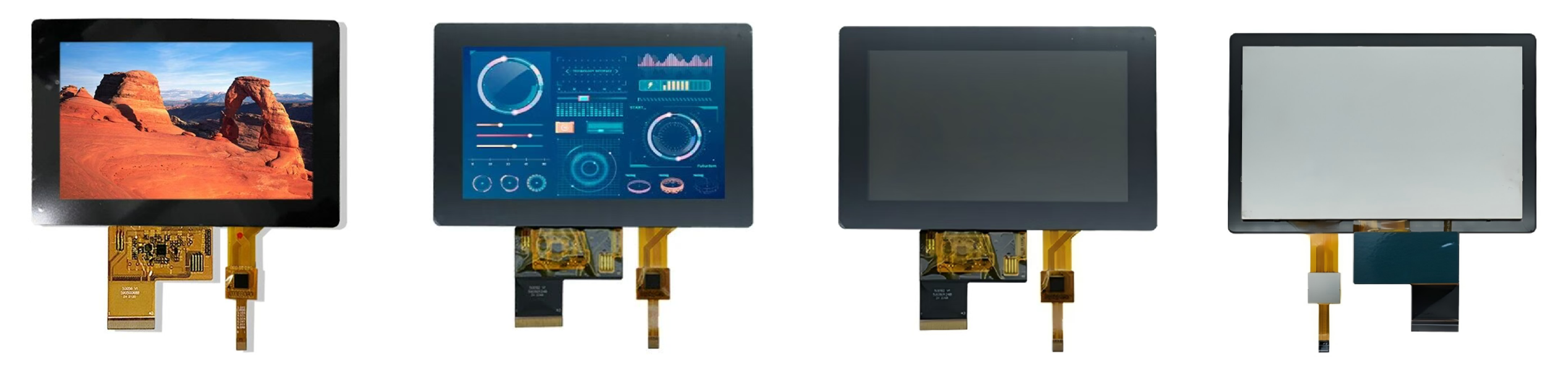
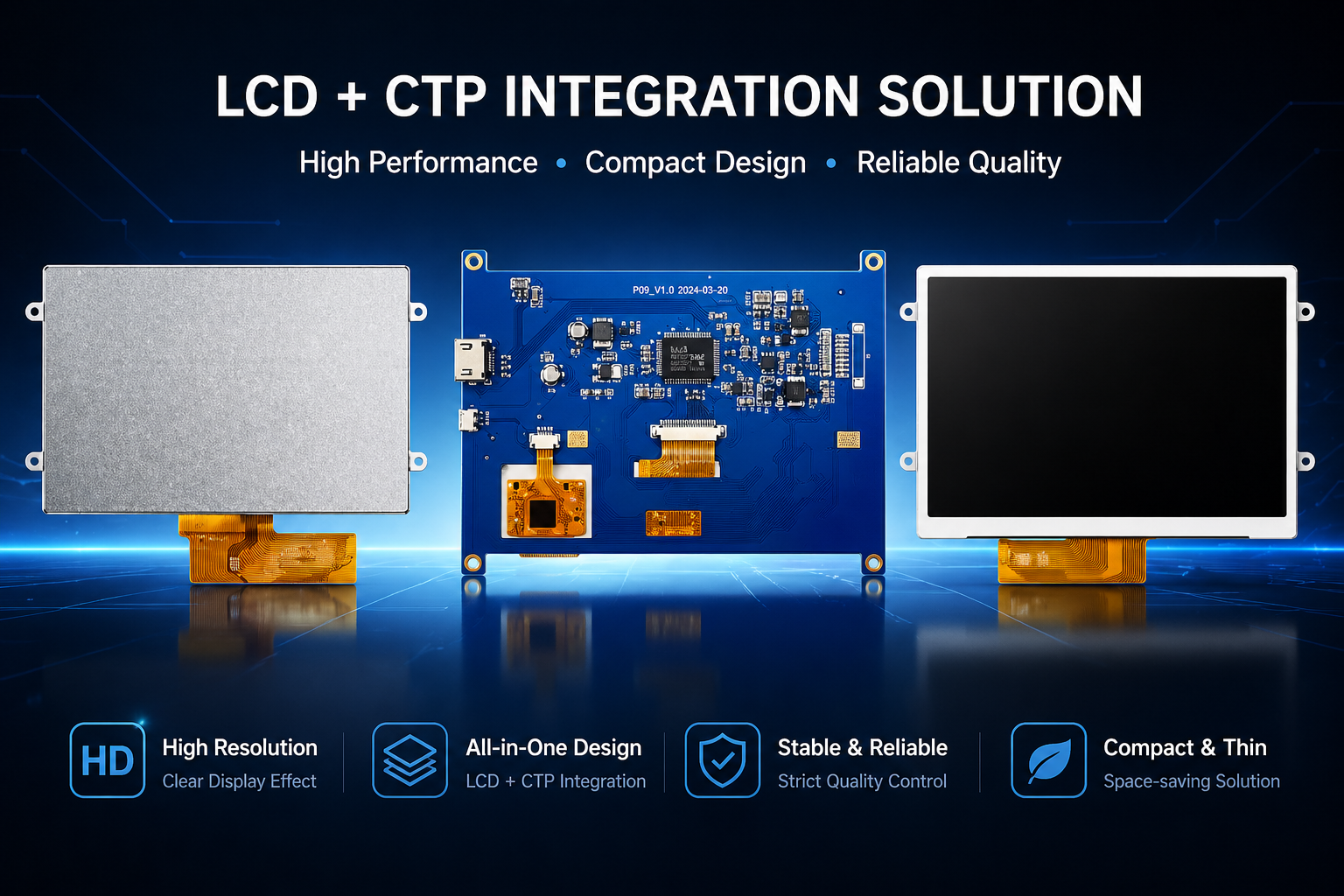
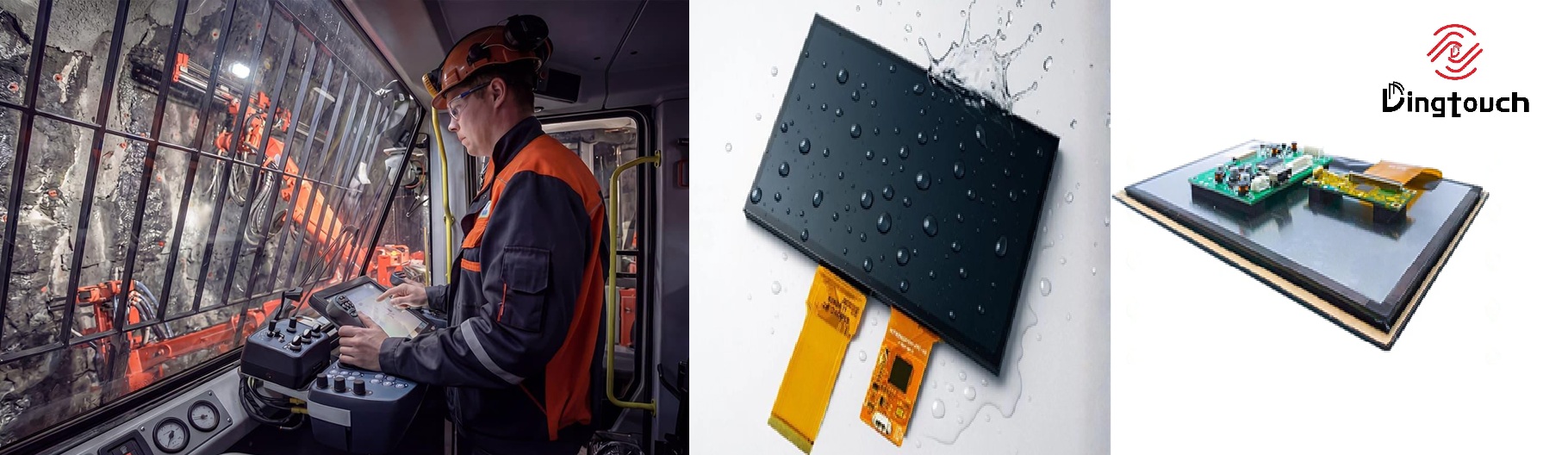
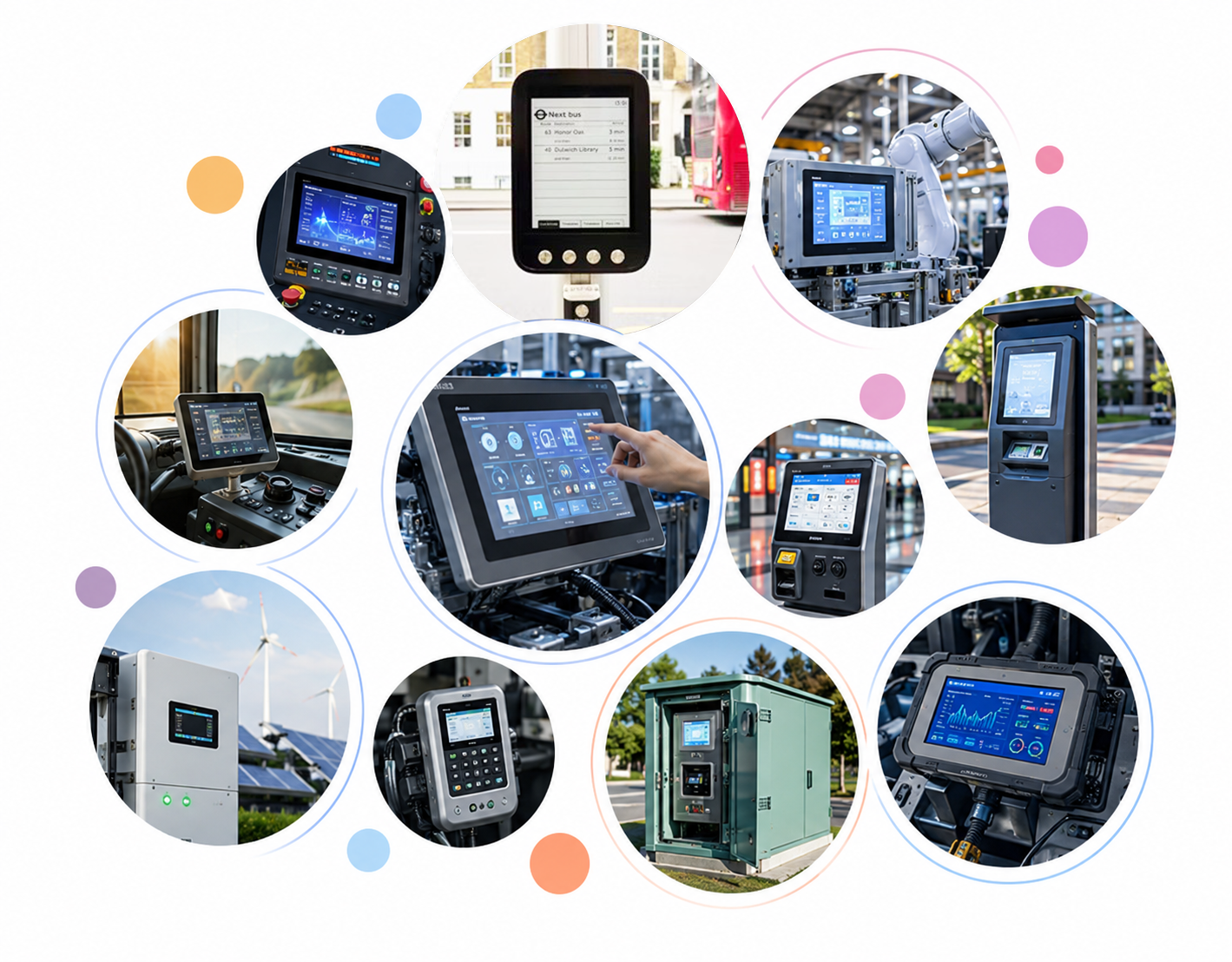
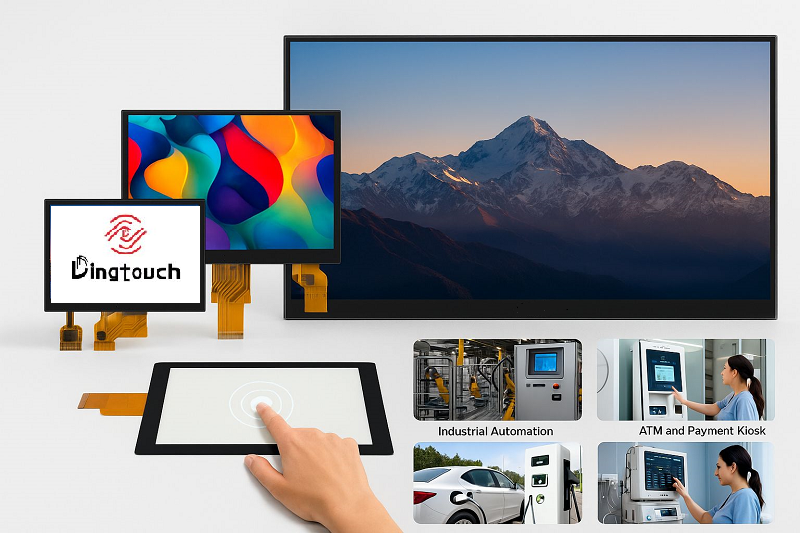
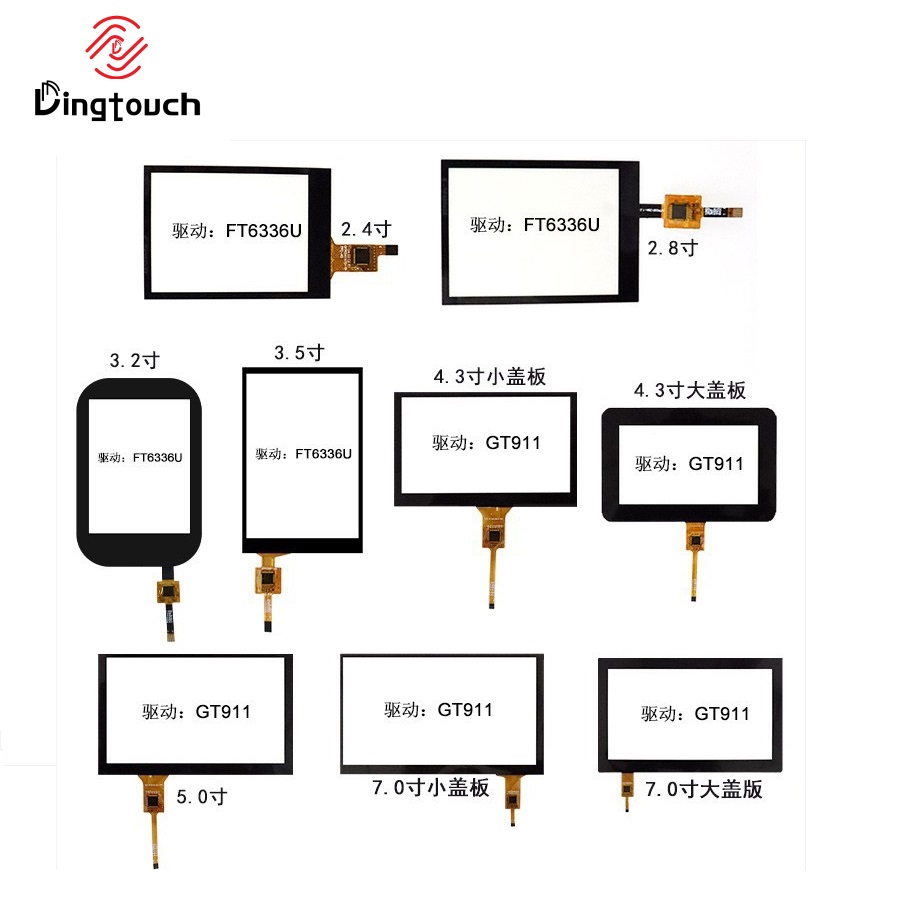
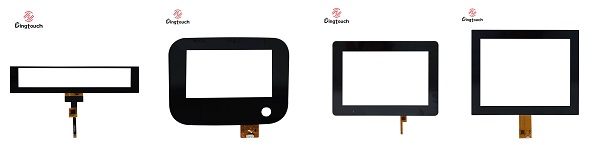
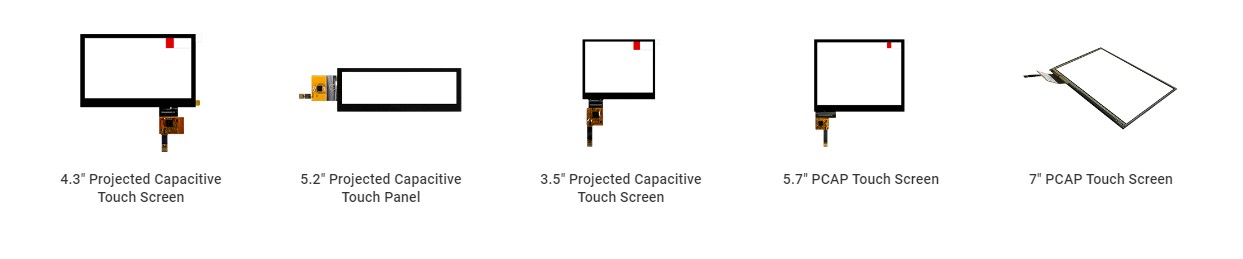
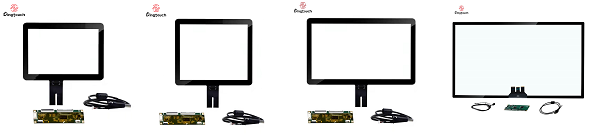
What DINGTOUCH can do:
Dingtouch Industrial capacitive touch screen Manufacturer

CATEGORIES
CONTACT US
Contact: Dingtouch
Phone: +8615815536116
Tel: +8615815536116
Email: sales@szdingtouch.com
Add: Building A, Bailu Plaza, No. 48, Gonghe Industrial Road, Gongle Community, Xixiang Street, Baoan District, Shenzhen,China. 518126
 Dingtouch