News
LCD vs AMOLED: Which Display Is Better? A Complete Technical Comparison & Future Trend Analysis
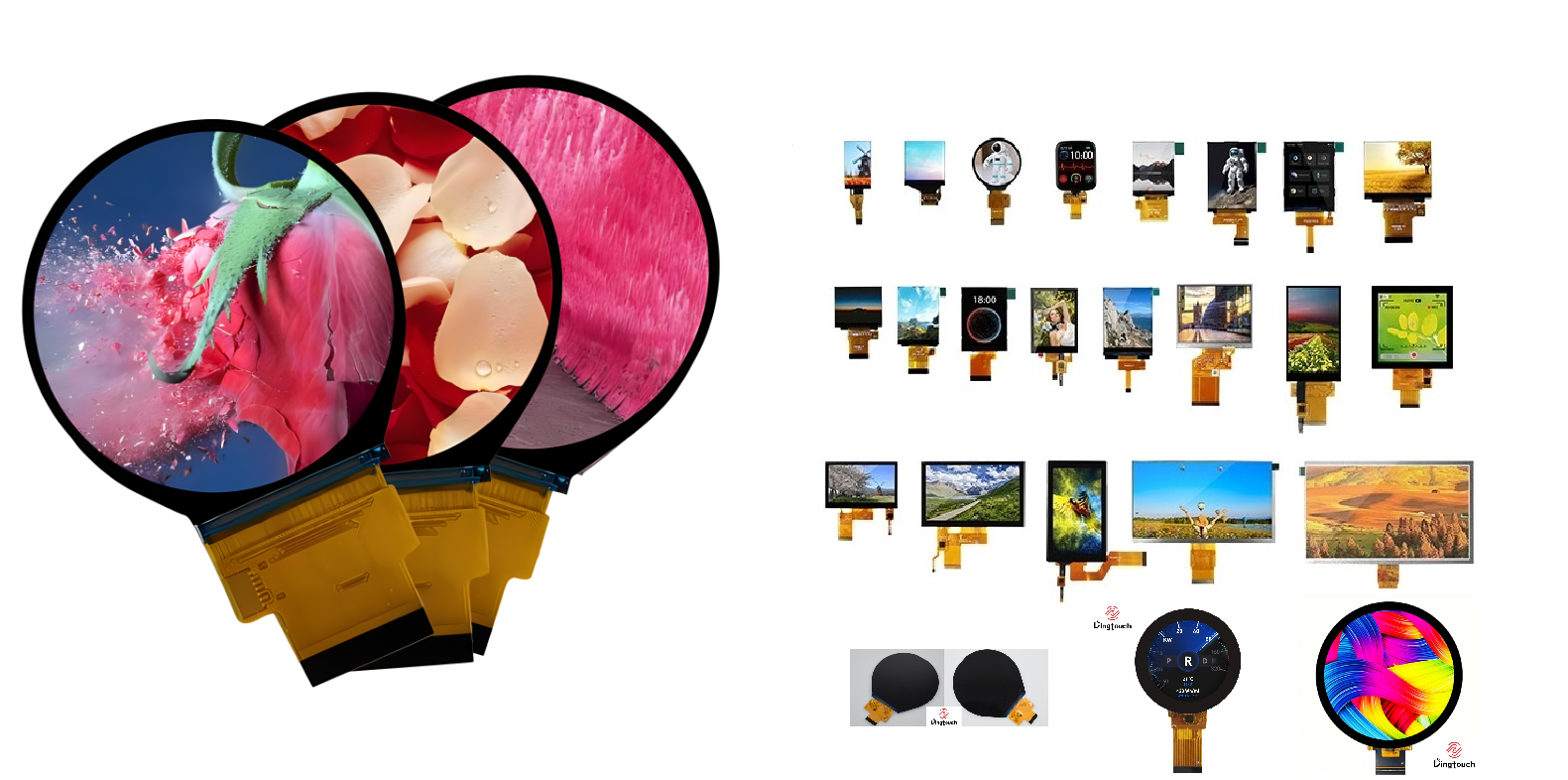 LCD vs AMOLED: Which Display Is Better? A Complete Technical Comparison & Future Trend Analysis
In today’s smartphones, tablets, and smart devices, the display plays a critical role in overall user experience. The two dominant technologies in the market are LCD (Liquid Crystal Display) and AMOLED (Active Matrix Organic Light-Emitting Diode).
Many users already know that AMOLED offers more vibrant colors, while LCD is known for its maturity and reliability. However, the differences go far beyond that.
In this article, we’ll break down their working principles, performance differences, and future trends to help you make an informed decision.
1. What is AMOLED?
AMOLED stands for Active Matrix Organic Light-Emitting Diode, a display technology where each pixel emits its own light.
How It Works
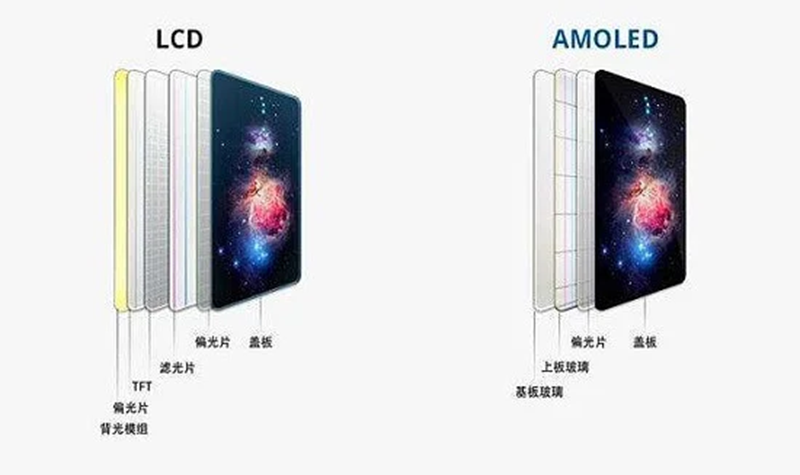
An AMOLED display consists of millions of tiny organic LEDs. Each pixel includes red, green, and blue subpixels that emit light independently when current passes through organic materials.
Key Features
- Self-emissive (no backlight required)
- True black (pixels can turn off completely)
- Ultra-fast response time
- Supports flexible and curved displays
Advantages
- Extremely high contrast ratio (close to infinite)
- Thinner and lighter design
- Lower power consumption (especially in dark mode)
- Enables innovative designs (foldable, curved screens)
Limitations
- Risk of burn-in or image retention
- Organic material degradation over time (color shift)
- Higher cost (though decreasing rapidly)
2. What is LCD (Liquid Crystal Display)?
LCD is a display technology that relies on a backlight source, making it a non-self-emissive display.
How It Works
LCD panels use a backlight (typically LED) to produce white light. This light passes through:
- Polarizer
- Liquid crystal layer (controls light transmission)
- RGB color filters
The final image is created by controlling light intensity and color.
Key Features
- Requires a backlight
- Uses liquid crystals to modulate light
- Multi-layer structure
Advantages
- Mature and stable technology
- Lower production cost
- No burn-in issues
- Longer lifespan
Limitations
- Cannot achieve true black (light leakage)
- Lower contrast ratio
- Thicker structure
- Higher power consumption (constant backlight)
 3. AMOLED vs LCD: Key Performance Comparison
3.1 Color Gamut
-
AMOLED:
Wider color gamut, more vivid and saturated colors, especially in blue and green -
LCD:
More aligned with standard RGB, offering more natural color reproduction
Conclusion:
- AMOLED = More vivid
- LCD = More accurate/natural
3.2 Color Accuracy
-
AMOLED (modern panels):
Significantly improved calibration, excellent white balance -
LCD:
May show slight blue or green tint due to backlight
Conclusion:
The gap is narrowing, especially in high-end displays.
3.3 Contrast & Black Levels
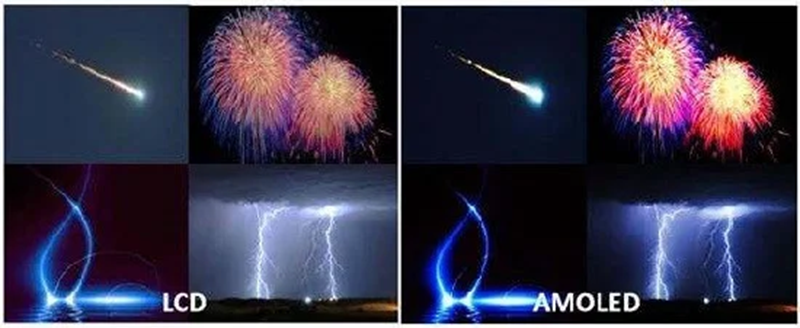
- AMOLED: True black (pixels off) → near-infinite contrast
- LCD: Backlight always on → blacks appear gray
AMOLED clearly wins
3.4 Power Consumption
- AMOLED: More efficient with dark content (pixels off)
- LCD: Constant backlight → steady power consumption
AMOLED is more power-efficient in dark mode
3.5 Thickness & Design Flexibility
- AMOLED: Thinner, flexible, supports curved/foldable designs
- LCD: Thicker, more rigid structure
AMOLED is better for modern industrial design
3.6 Lifespan
- AMOLED: Subject to aging and burn-in
- LCD: More stable and longer-lasting
LCD is more durable
 4. Which is Better: AMOLED or LCD?
There is no absolute answer—it depends on your application needs:
Choose AMOLED if you prioritize:
- High contrast and visual impact
- Ultra-thin or flexible designs
- Premium consumer electronics experience
- Power efficiency (dark UI)
Choose LCD if you prioritize:
- Cost efficiency
- Long-term stability
- Industrial applications (HMI, medical, automotive)
- No burn-in risk
5. Industry Trend: Will AMOLED Replace LCD?
From current market trends:
- AMOLED is rapidly expanding in high-end consumer electronics
- Costs are decreasing
- Flexible displays are driving innovation (foldable devices)
However:
- LCD remains essential in industrial, medical, automotive, and commercial applications
- High brightness, durability, and reliability still give LCD a strong advantage
Future outlook:
AMOLED will dominate premium consumer markets, while LCD will continue to lead in professional and industrial sectors.
6. Summary
| Feature | AMOLED | LCD |
|---|---|---|
| Light Source | Self-emissive | Backlight |
| Contrast | Extremely high | Lower |
| Color | Vivid | Natural |
| Thickness | Thinner | Thicker |
| Power Consumption | Lower (dark mode) | Higher |
| Lifespan | Risk of aging | More stable |
| Cost | Higher | Lower |
Quick takeaway:
- For visual experience → AMOLED
- For reliability & cost → LCD
7. Professional Recommendation (For B2B Applications)
From a professional display solution perspective:
- Consumer electronics → AMOLED preferred
- Industrial control / medical / outdoor → High-brightness LCD (IPS/TFT) recommended
- Custom projects → Evaluate based on environment, lifespan, and budget
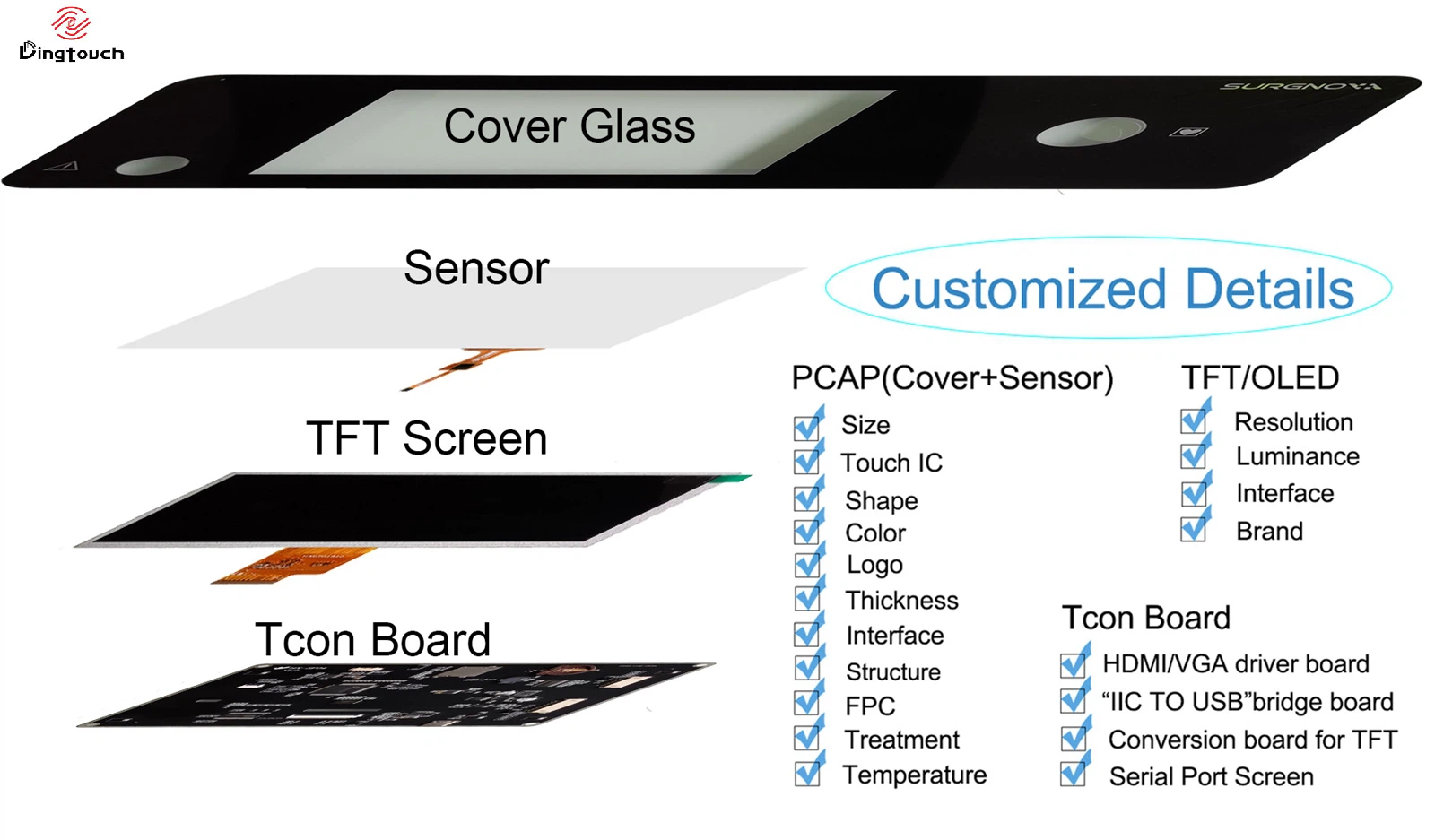
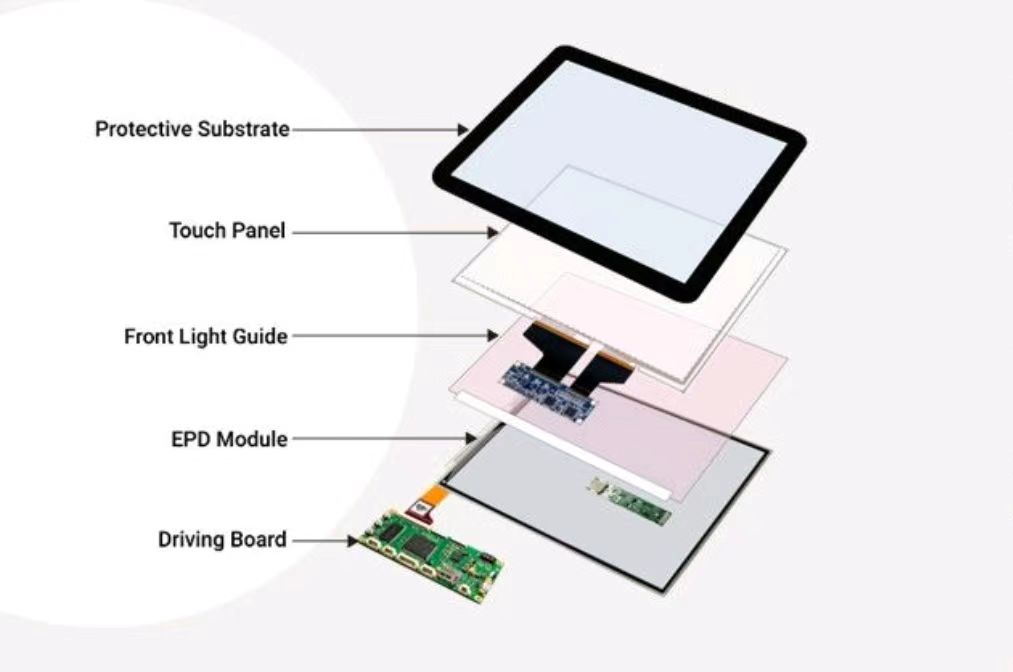
DINGTouch :Committed to continuous innovation and improvement of product quality to meet customers' high requirements and expectations.
DINGTouch is a manufacturer that provides high quality touch screen panels. Focus on the design, manufacturing and sales of touch screen panels, and are committed to providing customized solutions that satisfy customers.
DINGTouch: In the process of customizing touch screen panels, we focus on close cooperation and communication with customers. Understanding customers' needs and providing customized solutions will meet customers' individual needs. The company's products are favored by customers for their high quality and reliability, and provide them with the best touchscreen panel solutions.
DINGTouch :Committed to continuous innovation and improvement of product quality to meet customers' high requirements and expectations.
DINGTouch is a manufacturer that provides high quality touch screen panels. Focus on the design, manufacturing and sales of touch screen panels, and are committed to providing customized solutions that satisfy customers.
DINGTouch: In the process of customizing touch screen panels, we focus on close cooperation and communication with customers. Understanding customers' needs and providing customized solutions will meet customers' individual needs. The company's products are favored by customers for their high quality and reliability, and provide them with the best touchscreen panel solutions.
At DINGTOUCH, we are the world's leading touchscreen manufacturer, helping businesses around the world take advantage of this exciting technology. For more information, please visit the home page now.
Find the DINGTouch technical team to achieve the success of your company's new project.

DINGTouch is a company specializing in the R&D and production of touch screen technology, headquartered in Shenzhen, China. As a professional touch screen supplier, DINGTouch is committed to providing high-quality, stable and reliable touch screen products to meet the diverse needs of customers. We continue to carry out technological innovation and product optimization to ensure that its touch screen products have good sensitivity, accuracy and durability.
In addition to the products themselves, we also focus on cooperation and communication with customers, and are committed to providing customized solutions and excellent after-sales services. Through continuous efforts to improve product quality and customer satisfaction, we have established a good reputation in the touchscreen industry and won widespread market recognition.
In addition to the products themselves, we also focus on cooperation and communication with customers, and are committed to providing customized solutions and excellent after-sales services. Through continuous efforts to improve product quality and customer satisfaction, we have established a good reputation in the touchscreen industry and won widespread market recognition.
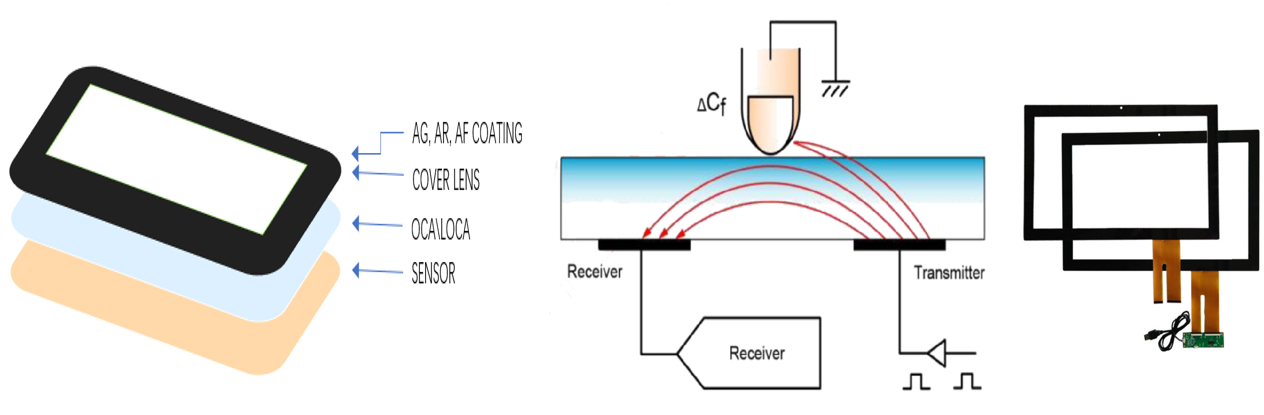
What DINGTOUCH can do:
• PCAP maximum size 65”
• Multi-touch (Touch screen can be customized to your needs.)
• Optical bonding service/air bonding
• LCD interface: HDMI/RGB/MIPI/LVDS/EDP, etc.
• PCAP interface: IIC/USB interface
• CTP can customize the cover glass surface treatment process AG (anti-glare), AR (anti-reflection), AF (anti-fingerprint), waterproof, and glove touch
• Supports 0.55 mm-12 mm coverslip touch.
• Support operating temperature: -40℃-90℃.
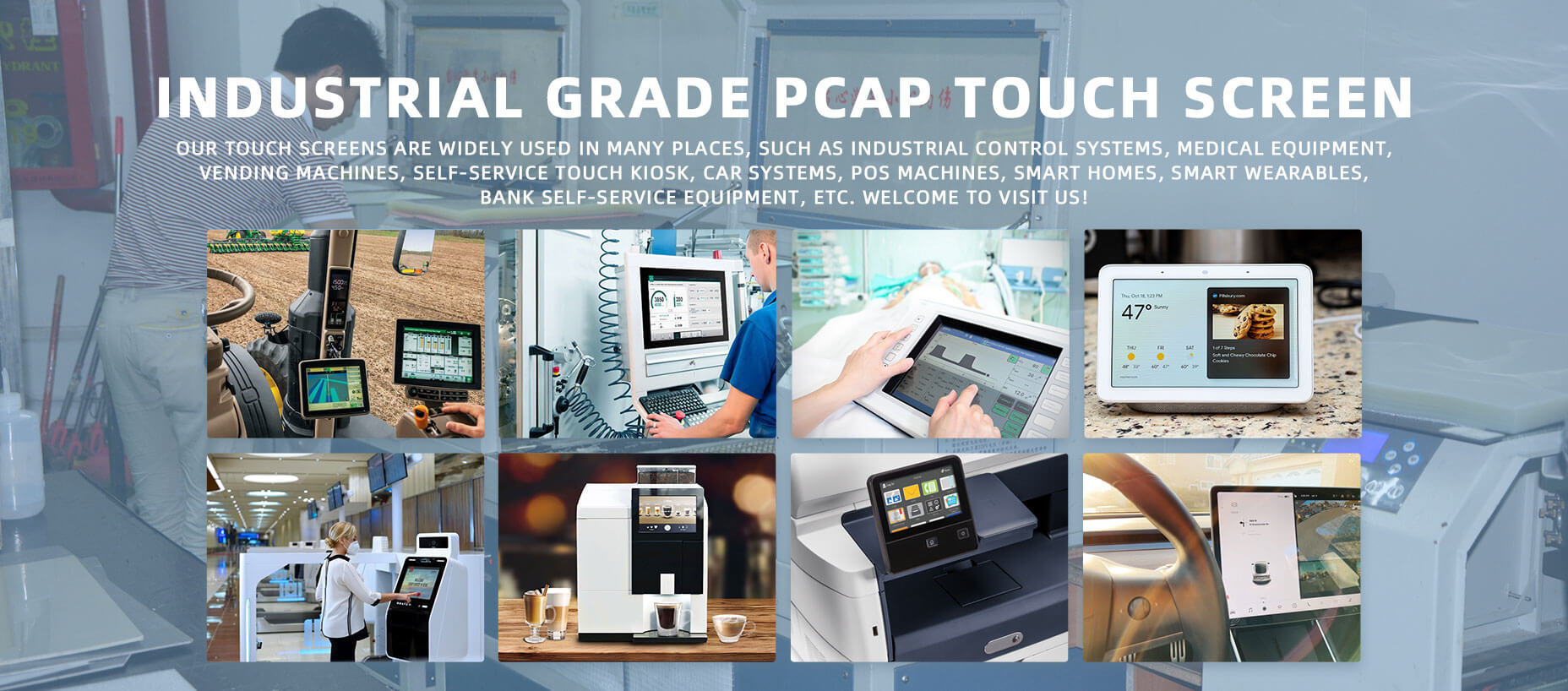
Dingtouch Industrial Capacitive Touch Screen Manufacturer
In conclusion, Dingtouch as a professional touch screen manufacturer with more than 10 years touch screen experience.We have many capacitive touch screen. Such as5 inch touch screen,7 inch touch screen,10.1inch touch screen,15 inch touch screen,15.6 inch touch screen,17 inch touch screen,18.5 inch touch screen,19 inch touch screen,21.5 inch touch screen,32 inch touch screen, However, we also welcome to customize your own touch screen . Contact our team today to learn what capacitive touch screen are best for our retail business needs.
Contact us NOW! sales@szdingtouch.com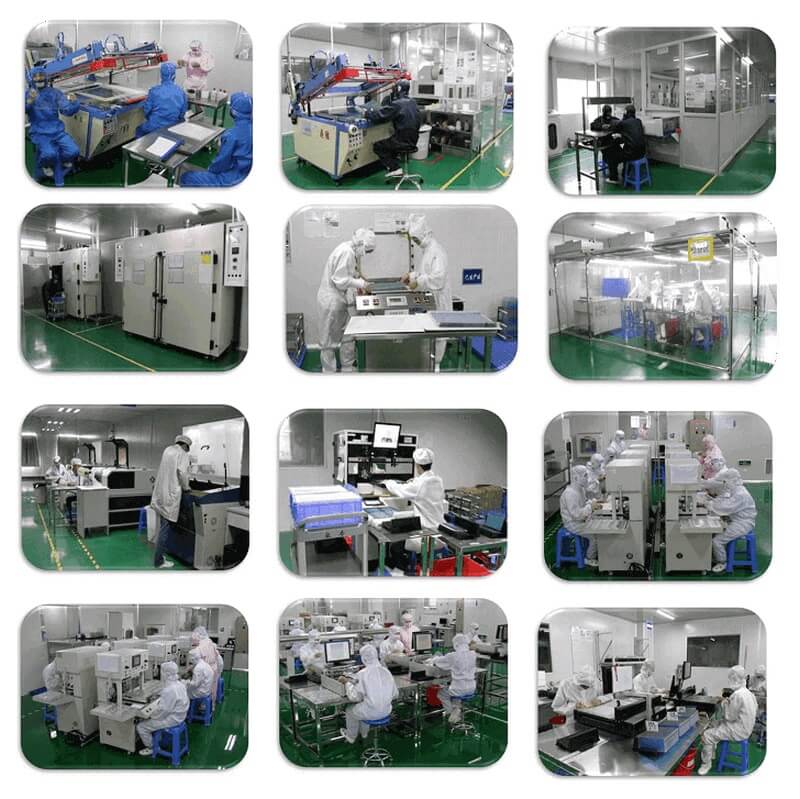
CATEGORIES
CONTACT US
Contact: Dingtouch
Phone: +8615815536116
Tel: +8615815536116
Email: sales@szdingtouch.com
Add: Building A, Bailu Plaza, No. 48, Gonghe Industrial Road, Gongle Community, Xixiang Street, Baoan District, Shenzhen,China. 518126
 Dingtouch