News
Complete Guide to AMOLED Display: What They Are, Key Advantages, Applications, and How to Choose the Right One
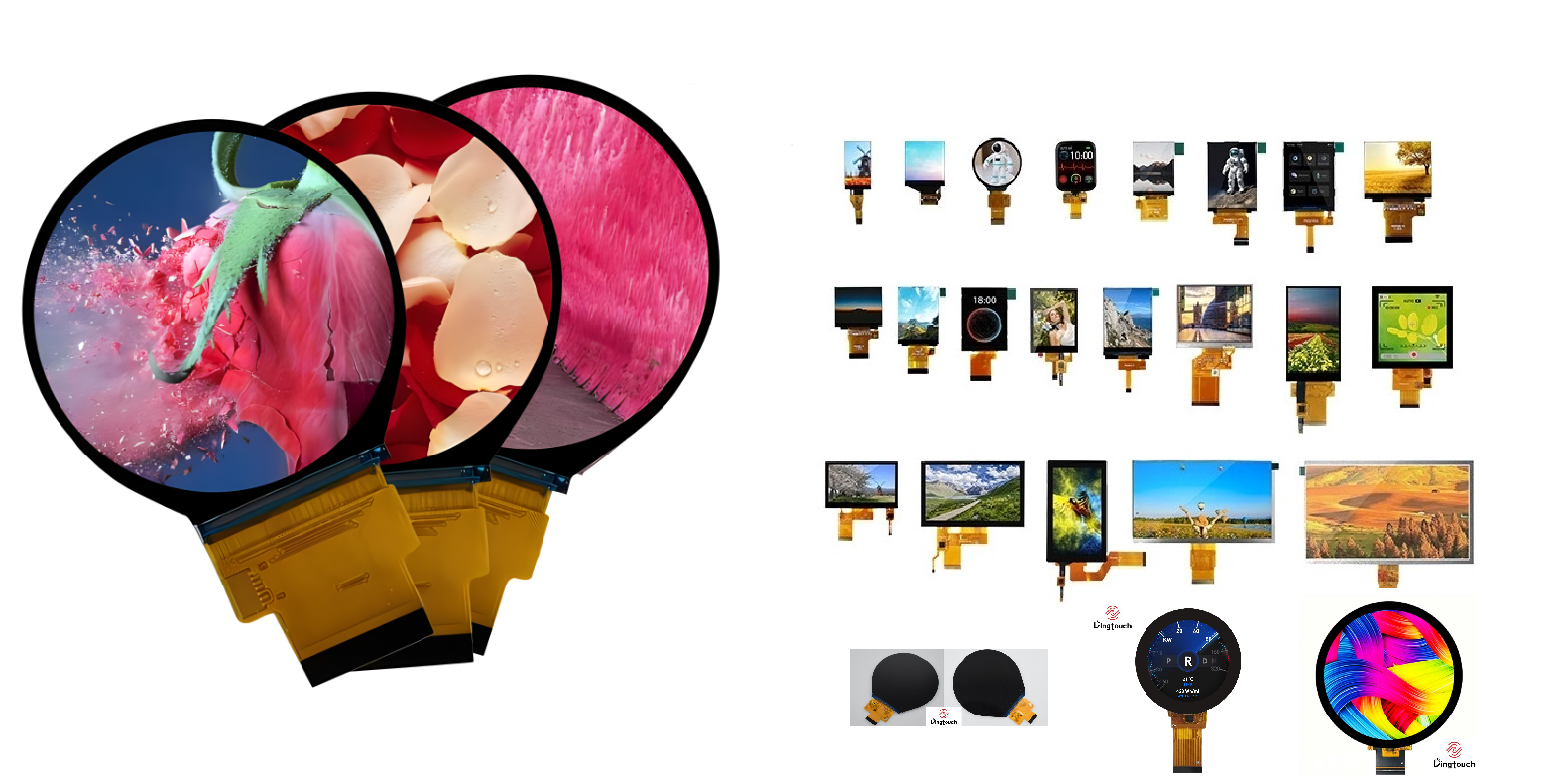
Complete Guide to AMOLED Display: What They Are, Key Advantages, Applications, and How to Choose the Right One
Walk into a modern factory control room, medical workstation, smart vehicle cockpit, or premium home device, and you will notice one common trend—screens are becoming sharper, colors more vivid, and user interaction smoother than ever before.
One of the main technologies behind this transformation is the AMOLED display.
For engineers, purchasing teams, and product developers, a display does much more than show information. It directly affects:
- Power consumption
- Product lifespan
- Outdoor readability
- User interaction speed
- Overall product value and appearance
That is why understanding AMOLED technology is essential when selecting the right display for your next project.
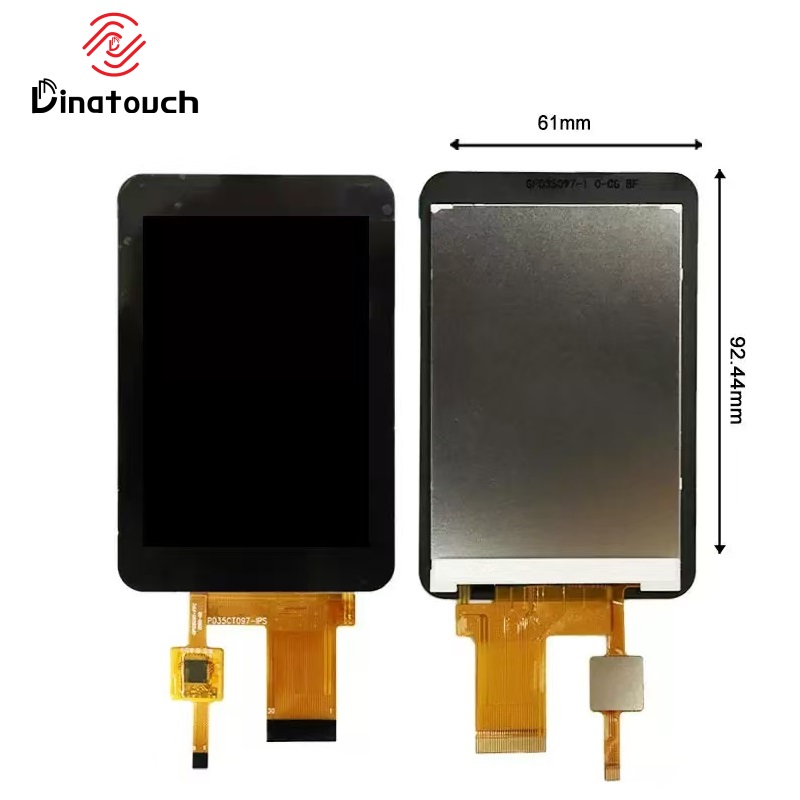
What Is an AMOLED Display?
AMOLED stands for Active Matrix Organic Light Emitting Diode.
Simply put, it is a display technology in which each pixel emits its own light independently, without needing a traditional backlight like LCD screens.
This means:
- Black pixels can turn completely off
- Colored pixels light up precisely
- Much higher contrast ratios
- Richer and more vibrant colors
- Thinner and lighter screen structures
Compared with traditional displays, AMOLED delivers a major visual upgrade.
How Does AMOLED Work?
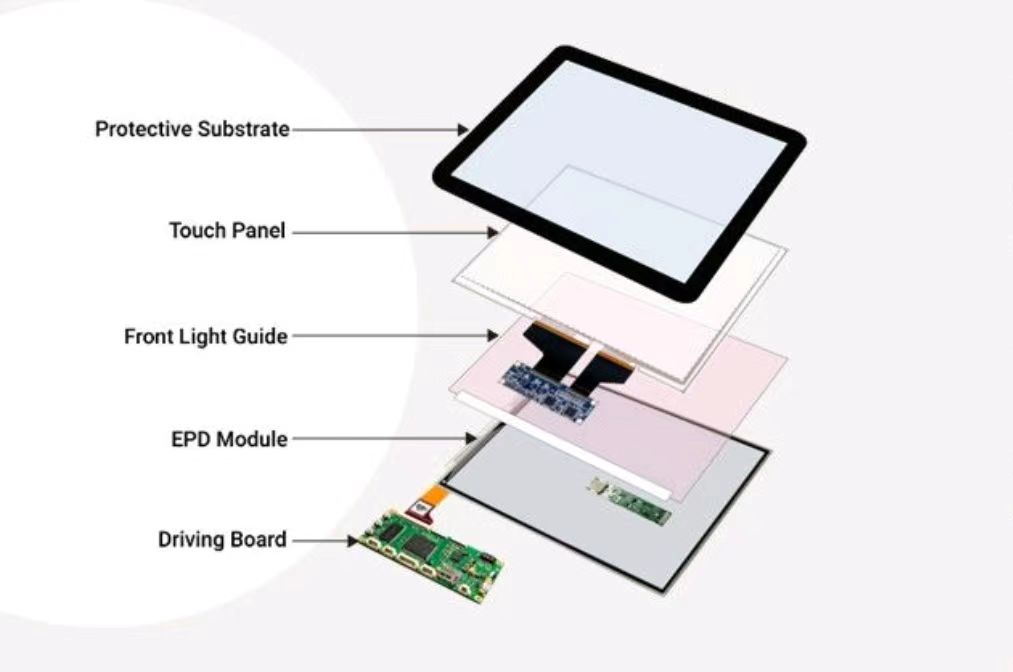
An AMOLED display is mainly built from the following layers:
1. TFT Active Matrix Layer
Each pixel is individually controlled by thin-film transistors (TFT), allowing rapid and accurate switching.
This makes AMOLED ideal for:
- Dynamic interfaces
- Video playback
- Real-time data visualization
- Multi-touch systems
2. Organic Emissive Layer
When electrical current passes through organic compounds, they emit light directly.
3. RGB Subpixel Structure
Red, green, and blue subpixels combine to create full-color images.
Some premium AMOLED panels use PenTile layouts to improve efficiency and lifespan.
AMOLED vs Other Display Technologies
AMOLED vs OLED
AMOLED is a type of OLED.
The difference is:
- OLED refers to the broader display category
- AMOLED uses an active matrix driving system
This gives AMOLED faster response times and better performance for complex interfaces.
AMOLED vs PMOLED
PMOLED (Passive Matrix OLED) controls pixels line by line.
It is better suited for:
- Small displays
- Simple character screens
- Compact instruments
AMOLED is better for:
- Larger displays
- High refresh applications
- Interactive smart devices
AMOLED vs IPS LCD
IPS LCD advantages:
- Lower cost
- Stable white-background power usage
- Mature high-brightness technology
AMOLED advantages:
- True blacks
- Higher contrast
- More vivid colors
- Thinner structure
- Flexible screen design
AMOLED vs QLED
QLED performs better in:
- Extremely bright environments
- Large-screen televisions
- High-brightness signage
AMOLED performs better in:
- Deep contrast
- Detailed image quality
- Premium mobile devices
- Automotive dashboards
- Medical displays
Main Advantages of AMOLED Display
1. Exceptional Contrast Ratio
Black pixels switch off completely, producing true black levels.
This makes text, charts, and interface layers easier to read.
Especially useful for:
- Night driving systems
- Medical imaging devices
- Industrial control terminals
2. Rich and Vibrant Colors
AMOLED can reproduce a wider color gamut with stronger visual impact.
Perfect for:
- Advertising displays
- Commercial terminals
- Consumer electronics
3. Ultra-Fast Response Time
Because each pixel is independently driven, image switching is extremely fast.
Ideal for:
- Gaming devices
- Industrial monitoring systems
- Real-time control interfaces
4. Lower Power Consumption (Especially with Dark UI)
Black pixels consume almost no power, making dark-mode interfaces highly efficient.
Useful for:
- Handheld terminals
- Battery-powered devices
- Outdoor mobile systems
5. Thin and Flexible Design
Without a backlight layer, AMOLED enables:
- Ultra-thin products
- Curved screens
- Flexible displays
- Wearable devices
Potential Drawbacks of AMOLED
Screen Burn-In
Static images displayed for long periods may leave faint permanent marks.
Solutions include:
- UI movement design
- Auto sleep mode
- Dark mode
- Pixel refresh algorithms
Bright Outdoor Use Requires Higher Brightness
If brightness is insufficient, sunlight readability may be reduced.
Solutions include:
- High-brightness AMOLED (1000+ nits)
- Anti-reflection glass
- Automatic brightness adjustment
Higher Cost Than Standard LCD
AMOLED manufacturing is more complex, so unit prices are typically higher than TFT LCD panels.
However, for premium products, the added value often justifies the investment.
Typical AMOLED Applications in Industry and Business
Industrial HMI Systems
High contrast helps operators read data faster and reduce errors.
Medical Display
Used in:
- Patient monitors
- Diagnostic terminals
- Medical imaging systems
High contrast helps reveal fine visual details.
Automotive Display
Common in:
- Digital instrument clusters
- Center control screens
- Head-up displays (HUD)
Especially effective for night driving.
Outdoor Handheld Devices
Thin and energy-efficient, ideal for:
- Inspection terminals
- PDA devices
- Warehouse scanners
Retail and Digital Signage
Bright colors help attract customer attention more effectively.
How to Choose the Right AMOLED Display for Your Project
1. Define the Operating Environment
Indoor devices should prioritize:
- Color quality
- Contrast
- Appearance
Outdoor devices should prioritize:
- High brightness
- Anti-glare performance
- Wide temperature support
2. Analyze Interface Usage
If the interface stays static for long periods:
Use UI optimization to reduce burn-in risk.
If the interface is highly dynamic:
AMOLED is an excellent choice.
3. Choose Size and Resolution Carefully
Small high-resolution screens suit precision devices.
Larger displays require balancing cost and power usage.
4. Consider Mechanical Design
If your product requires thinness, curvature, or lightweight design, AMOLED offers strong advantages.
5. Evaluate Lifespan and Supply Chain Stability
Industrial projects should choose a supplier that can provide:
- Stable lead times
- Technical support
- Customization capability
- Long-term product availability
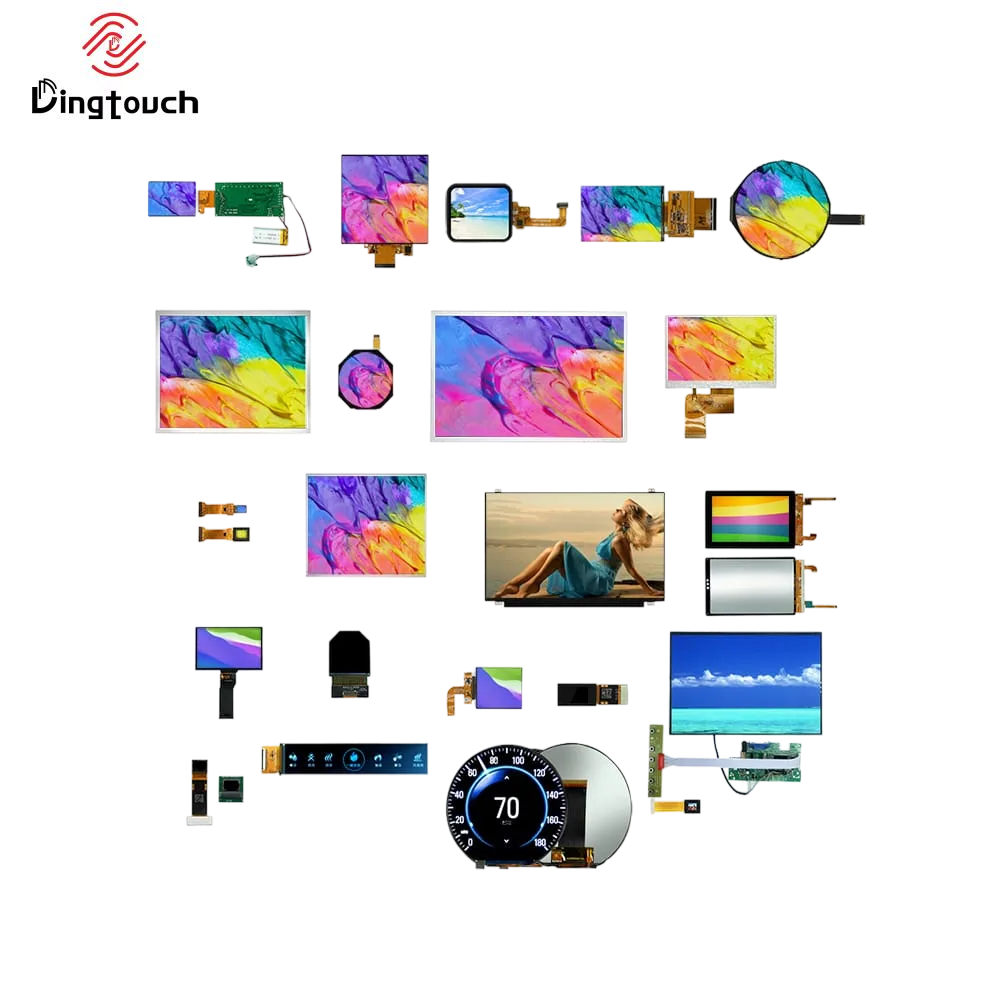
Why More Companies Choose DINGTouch AMOLED Solutions
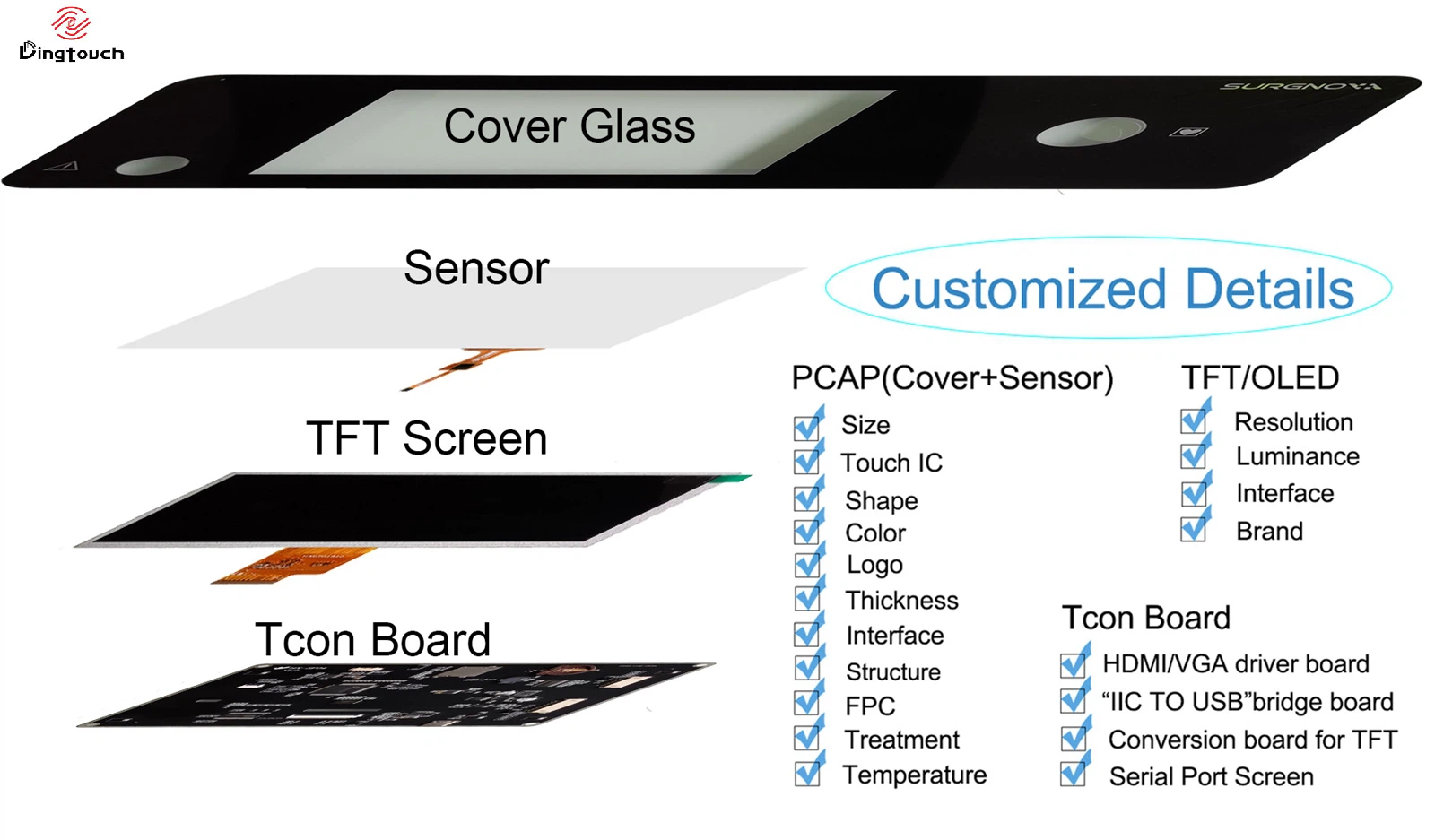
DINGTouch specializes in integrated display and touch solutions, including:
- AMOLED + capacitive touch bonding
- High-brightness outdoor solutions
- Waterproof and dustproof structures
- Wide-temperature industrial designs
- USB / I2C / HDMI / MIPI interface customization
- Cover glass logo printing
- Support for medical, industrial, and automotive projects
Frequently Asked Questions
What does AMOLED mean?
It stands for Active Matrix Organic Light Emitting Diode.
Is AMOLED better than LCD?
If you value image quality, contrast, and premium design, AMOLED is superior.
If cost is the main priority, LCD is often more economical.
Does AMOLED save power?
Yes, especially with dark interfaces. White or high-brightness content uses more power.
Does AMOLED suffer from burn-in?
Long-term static content may cause image retention, but proper system design greatly reduces the risk.
Is AMOLED suitable for industrial devices?
Yes. It is widely used in premium HMI systems, medical equipment, automotive displays, and mobile terminals.
Conclusion
AMOLED is not just a “better-looking screen.”
It represents:
- Premium visual performance
- Smarter power management
- Greater design freedom
- More advanced human-machine interaction
If your product needs stronger market competitiveness, better brand value, and improved user experience, AMOLED is becoming one of the most important display technologies for the future.

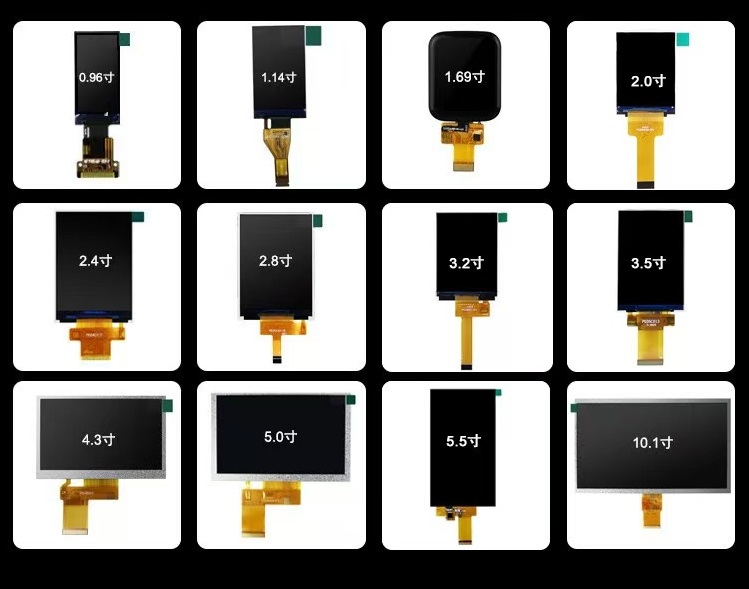
DINGTouch :Committed to continuous innovation and improvement of product quality to meet customers' high requirements and expectations.
DINGTouch is a manufacturer that provides high quality touch screen panels. Focus on the design, manufacturing and sales of touch screen panels, and are committed to providing customized solutions that satisfy customers.
DINGTouch: In the process of customizing touch screen panels, we focus on close cooperation and communication with customers. Understanding customers' needs and providing customized solutions will meet customers' individual needs. The company's products are favored by customers for their high quality and reliability, and provide them with the best touchscreen panel solutions.
DINGTouch :Committed to continuous innovation and improvement of product quality to meet customers' high requirements and expectations.
DINGTouch is a manufacturer that provides high quality touch screen panels. Focus on the design, manufacturing and sales of touch screen panels, and are committed to providing customized solutions that satisfy customers.
DINGTouch: In the process of customizing touch screen panels, we focus on close cooperation and communication with customers. Understanding customers' needs and providing customized solutions will meet customers' individual needs. The company's products are favored by customers for their high quality and reliability, and provide them with the best touchscreen panel solutions.
At DINGTOUCH, we are the world's leading touchscreen manufacturer, helping businesses around the world take advantage of this exciting technology. For more information, please visit the home page now.
Find the DINGTouch technical team to achieve the success of your company's new project.

DINGTouch is a company specializing in the R&D and production of touch screen technology, headquartered in Shenzhen, China. As a professional touch screen supplier, DINGTouch is committed to providing high-quality, stable and reliable touch screen products to meet the diverse needs of customers. We continue to carry out technological innovation and product optimization to ensure that its touch screen products have good sensitivity, accuracy and durability.
In addition to the products themselves, we also focus on cooperation and communication with customers, and are committed to providing customized solutions and excellent after-sales services. Through continuous efforts to improve product quality and customer satisfaction, we have established a good reputation in the touchscreen industry and won widespread market recognition.
In addition to the products themselves, we also focus on cooperation and communication with customers, and are committed to providing customized solutions and excellent after-sales services. Through continuous efforts to improve product quality and customer satisfaction, we have established a good reputation in the touchscreen industry and won widespread market recognition.
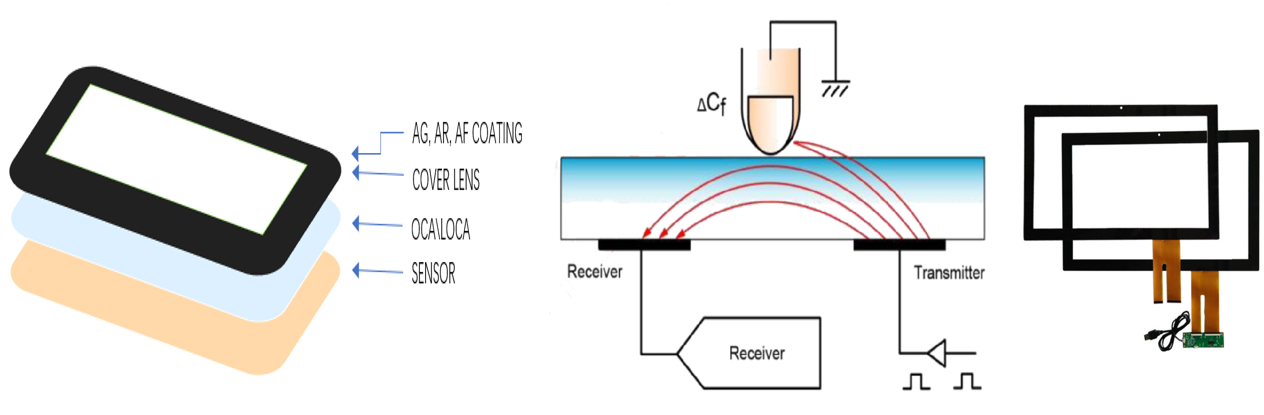
What DINGTOUCH can do:
• PCAP maximum size 65”
• Multi-touch (Touch screen can be customized to your needs.)
• Optical bonding service/air bonding
• LCD interface: HDMI/RGB/MIPI/LVDS/EDP, etc.
• PCAP interface: IIC/USB interface
• CTP can customize the cover glass surface treatment process AG (anti-glare), AR (anti-reflection), AF (anti-fingerprint), waterproof, and glove touch
• Supports 0.55 mm-12 mm coverslip touch.
• Support operating temperature: -40℃-90℃.
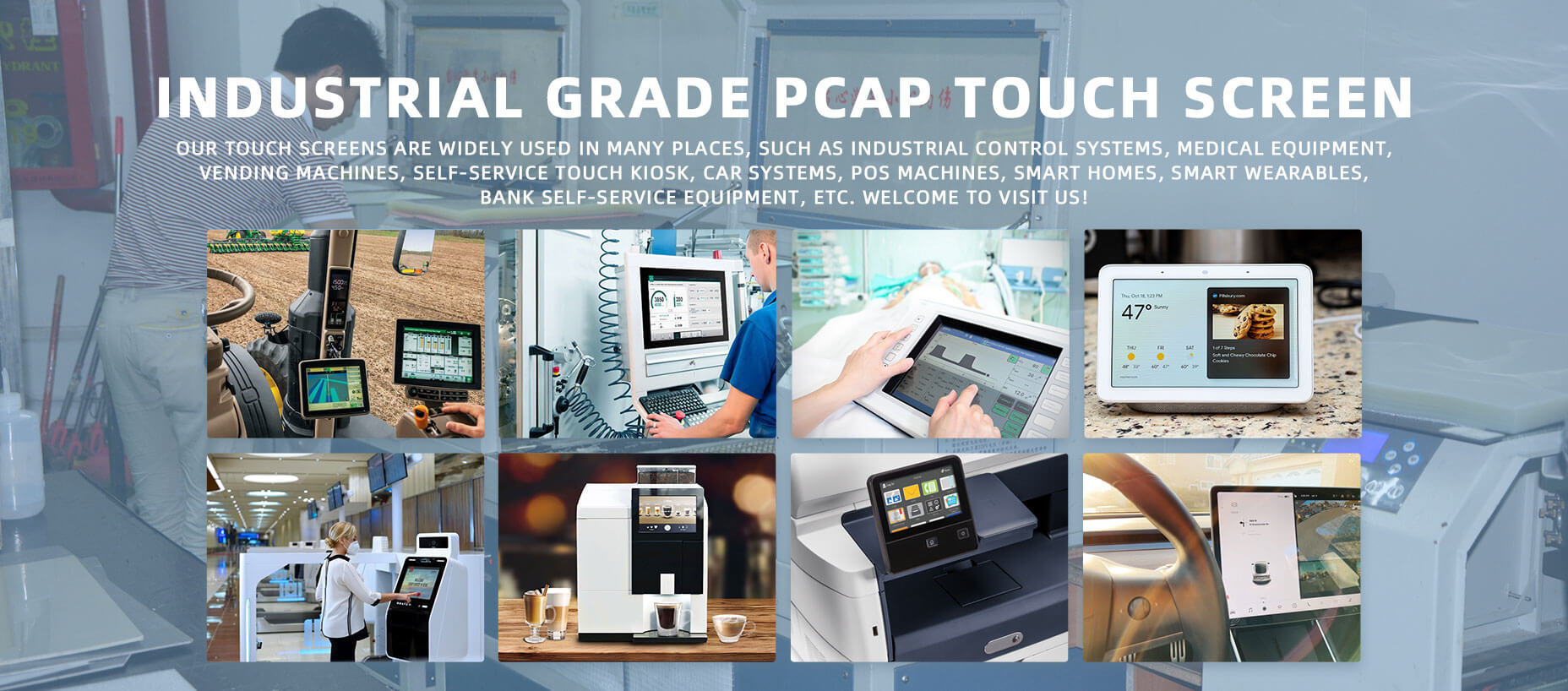
Dingtouch Industrial Capacitive Touch Screen Manufacturer
In conclusion, Dingtouch as a professional touch screen manufacturer with more than 10 years touch screen experience.We have many capacitive touch screen. Such as5 inch touch screen,7 inch touch screen,10.1inch touch screen,15 inch touch screen,15.6 inch touch screen,17 inch touch screen,18.5 inch touch screen,19 inch touch screen,21.5 inch touch screen,32 inch touch screen, However, we also welcome to customize your own touch screen . Contact our team today to learn what capacitive touch screen are best for our retail business needs.
Contact us NOW! sales@szdingtouch.com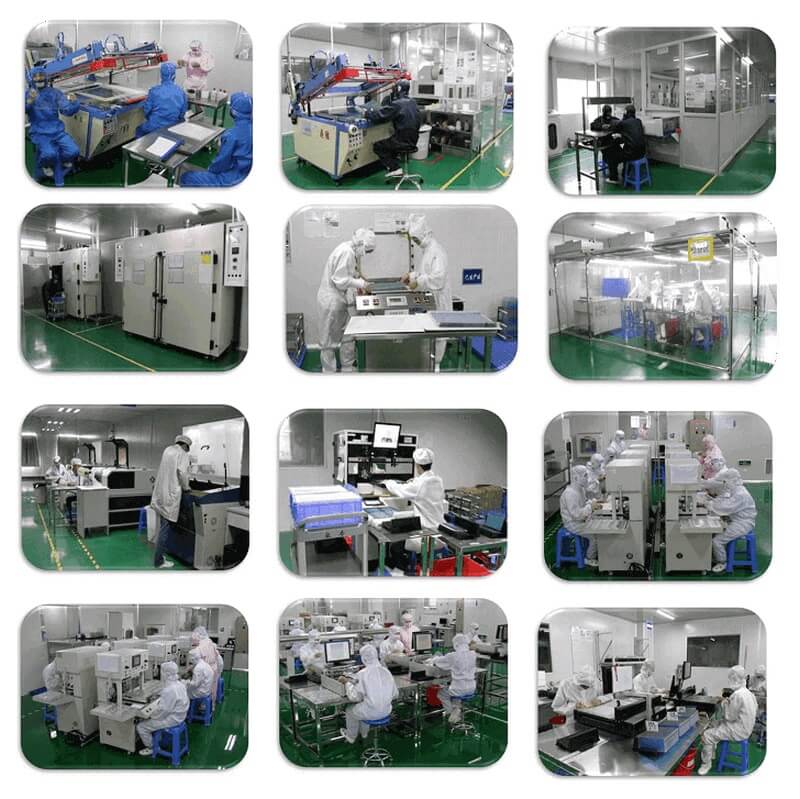
CATEGORIES
CONTACT US
Contact: Dingtouch
Phone: +8615815536116
Tel: +8615815536116
Email: sales@szdingtouch.com
Add: Building A, Bailu Plaza, No. 48, Gonghe Industrial Road, Gongle Community, Xixiang Street, Baoan District, Shenzhen,China. 518126
 Dingtouch